OERadio compares Meshtastic and MeshCom for LoRa mesh users
Meshtastic and MeshCom both push LoRa mesh far beyond the talk stage, but they serve different operators. One is the global, portable open-source path; the other is the Austrian ham-radio infrastructure play.

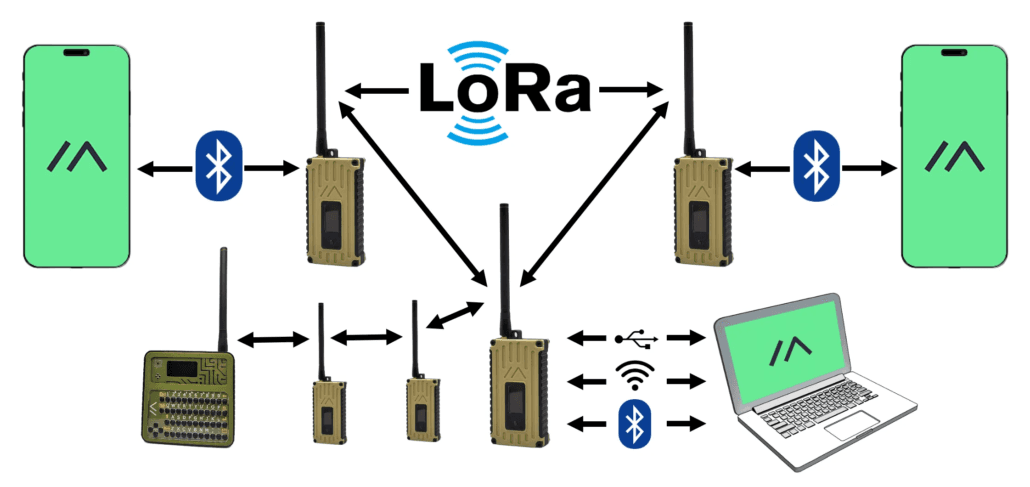
Meshtastic and MeshCom solve the same core problem, but they reward very different kinds of radio users. Both let you send text over kilometers without cell service, mobile networks, or fixed infrastructure, yet the choice between them comes down to more than range or price. It comes down to audience, licensing culture, deployment style, and whether you want a mesh you can carry anywhere or one that plugs into an established amateur-radio fabric.
Two LoRa meshes, two operating cultures
OERadio’s comparison puts the decision in the right frame: Meshtastic is the international open-source project, while MeshCom is the Austrian variant rooted in the amateur radio community. That distinction matters because it shapes everything from how nodes are deployed to how people think about coverage, upgrades, and interoperability.
In practical terms, Meshtastic behaves like a broad, community-built platform that travels well across borders and use cases. MeshCom feels more regionally anchored, with its own infrastructure mindset and a stronger tie to ham-radio operations in Austria. If you are trying to decide where to invest your time and gear, the first question is simple: do you want maximum portability and global familiarity, or do you want closer integration with an existing radio community and its local backbone?
Choose Meshtastic when you want the widest open ecosystem
Meshtastic’s biggest advantage is its scale and flexibility. The project describes itself as an open-source, off-grid, decentralized mesh network built for affordable, low-power devices, and its official community materials call it 100% community driven. Its GitHub organization spans 100+ repositories, which is a strong signal that the ecosystem is broad, active, and not tied to a narrow deployment model.
Hardware choice is another major reason people land on Meshtastic. Official firmware support includes ESP32, nRF52, RP2040, RP2350, and Linux-based devices, so you are not locked into a single class of node. That makes Meshtastic easier to treat as a general-purpose hobby platform, whether you are building a pocket node, a trail companion, or a fixed installation.
The operating culture is just as important as the hardware list. OERadio’s framing matches what the community already knows: Meshtastic is the system many amateurs reach for when they want something for family use, hiking groups, and other informal, portable messaging setups. It is the cleaner fit when your priority is broad recognition, lots of device options, and a project that already has local groups in multiple regions.
Choose MeshCom when you want ham-radio integration and regional coverage
MeshCom comes from a different tradition. The Institute of Citizen Science for Space & Wireless Communication presents it as a LoRa project for exchanging text messages, with support not just for messaging but also for positions, telemetry, and remote control. That broader feature set gives it a more infrastructure-oriented feel, especially when you look at how it is deployed.
MeshCom gateways can bridge mesh areas through HAMNET, which is a key detail if you care about how separate RF pockets stay connected. Rather than relying only on direct device-to-device reach, the system leans on gateways, mountain peaks, and club rooms to extend usable coverage. ÖVSV materials also document node-to-node range at about 20 km or more depending on site and antenna, which gives a clearer picture of how a regional ham mesh can be built up over time.
That architecture points to a different operating culture. MeshCom is not just a mobile chat layer; it is part of a more formal amateur-radio environment, and OERadio’s comparison reflects that by showing how many operators use it alongside Meshtastic rather than instead of it. A common split is easy to understand: Meshtastic for family and hiking, MeshCom for amateur-radio infrastructure integration.
Band plans and duty cycles are not side issues
This is where casual comparisons often fall apart. Meshtastic’s official radio settings documentation makes clear that regional band planning matters, especially in Europe. The 868 MHz band is generally the most popular choice there, while the EU_868 preset uses 869.40 to 869.65 MHz with a maximum of +27 dBm ERP and a 10% duty cycle.
That is not just a spreadsheet detail. The standard LongFast preset defaults to 869.525 MHz after factory reset, so even a fresh node comes up inside a specific regional reality. In North America, Meshtastic uses the 915 MHz ISM band with up to +30 dBm ERP, which shows how much the operating environment shifts once you cross regions.

OERadio’s comparison also touches three European LoRa bands, power limits, and duty-cycle rules, which is exactly the sort of information that separates a fun bench setup from a reliable on-air deployment. If you are choosing between Meshtastic and MeshCom, you are not only choosing software and hardware. You are choosing a compliance path, and that path can shape antenna plans, node placement, and how often you can actually transmit.
Upgrade discipline and network management matter more in MeshCom
MeshCom’s release notes add another important clue about how the system is run. The v4.35p base release, along with the March 29, 2026 v4.35p Plus note, says all devices in a region where nodes communicate via RF should be fully upgraded to 4.35p because LoRa TX/RX control was redesigned. That is the kind of detail that tells you MeshCom is actively evolving, but also that regional operators need to stay disciplined about version matching.
For a hobbyist, that creates a real tradeoff. MeshCom offers a structured, infrastructure-friendly environment, but it asks more of the operator when it comes to coordinated upgrades and regional consistency. Meshtastic, by contrast, benefits from its wider ecosystem and hardware diversity, which makes it feel easier to drop into ad hoc use cases without first thinking like a network coordinator.
The bottom line for LoRa mesh users
If you want the most globally recognized, open-ended, and portable LoRa mesh path, Meshtastic is the obvious default. It has the broader community footprint, the larger repository ecosystem, and the most varied hardware support, all while staying true to its off-grid, decentralized roots. If you want a mesh that feels more like part of an amateur-radio system, with gateways, regional coverage patterns, and tighter integration into ham infrastructure, MeshCom is the sharper fit.
The real lesson from OERadio’s comparison is that LoRa mesh in 2026 is no longer a one-project story. Meshtastic and MeshCom overlap in purpose, but they diverge in the kind of operator they serve best, and that difference should drive the buying and building decision before the first node is powered on.
This article was produced by Prism’s automated news system from verified source data, official records, and press releases, then run through automated quality and moderation checks before publishing. The system is built and supervised by the people who set the standards it runs under. Read our full AI policy.
Did this article answer your question?