Trail Mate brings offline GPS maps, mesh chat to ESP32 devices
Trail Mate trims Meshtastic’s rough edges on handheld ESP32s with offline maps, GPS sharing, and team mode built for real field use.
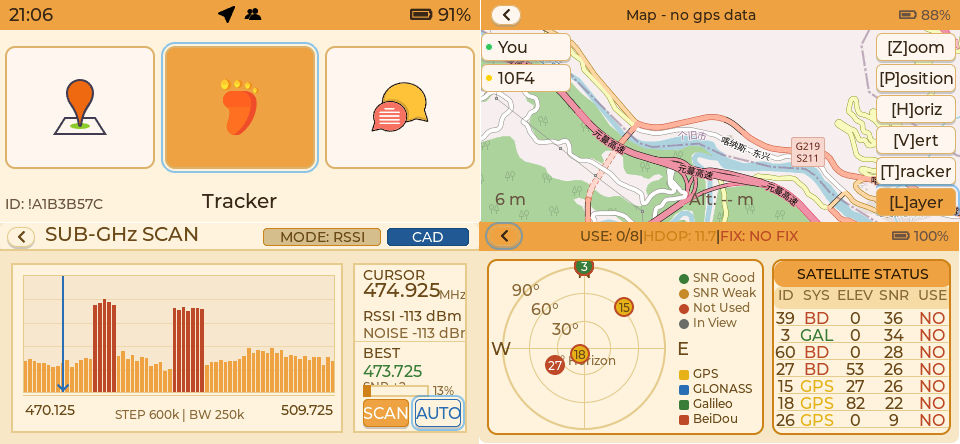
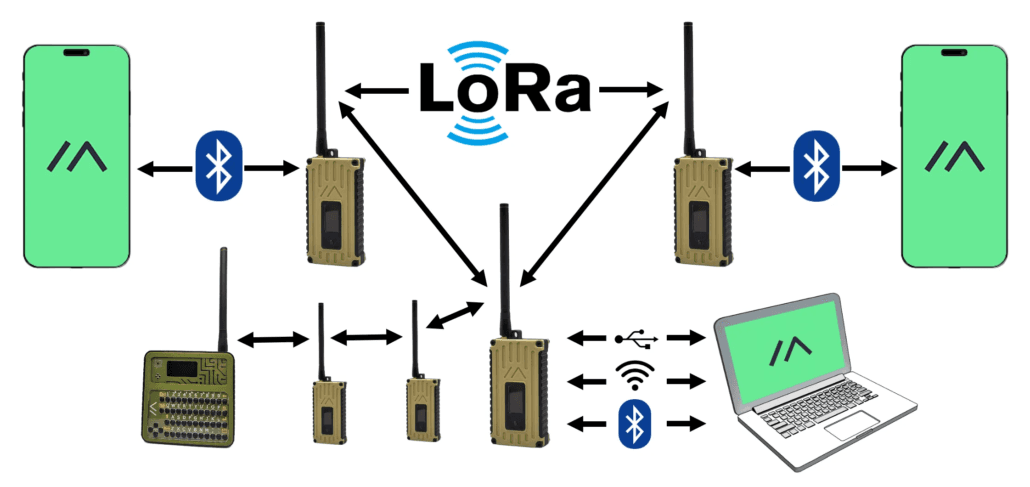
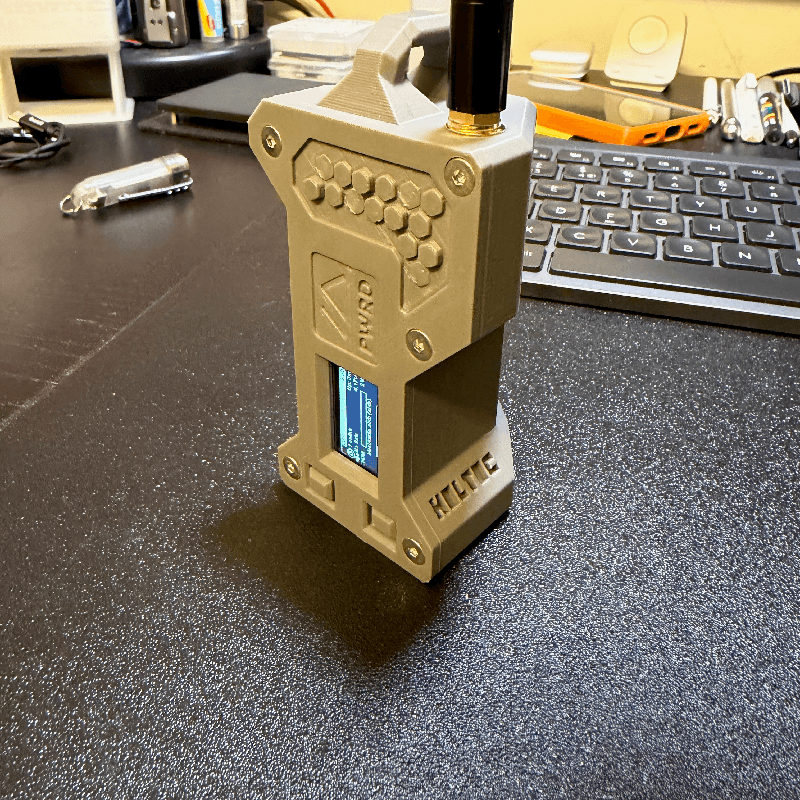
If you like Meshtastic’s off-grid promise but dislike how clumsy handheld ESP32 setups can feel in the field, Trail Mate is trying to fix that gap. The firmware is built as an offline-first handheld system for GPS navigation, LoRa communication, and real-time team situational awareness in no-network environments, with a clear emphasis on stability, efficiency, and interoperability over visual polish.
That matters because the practical jobs Trail Mate handles are the ones hikers and field users actually care about when the phone signal disappears. The interface brings together GPS maps, mesh chat, GNSS sky plots, image transfer, and a team mode that combines ESP-NOW and LoRa. In real use, that means less bouncing between tools and less dependence on a smartphone or a pile of extra infrastructure just to share position, exchange short text messages, or keep a group oriented.
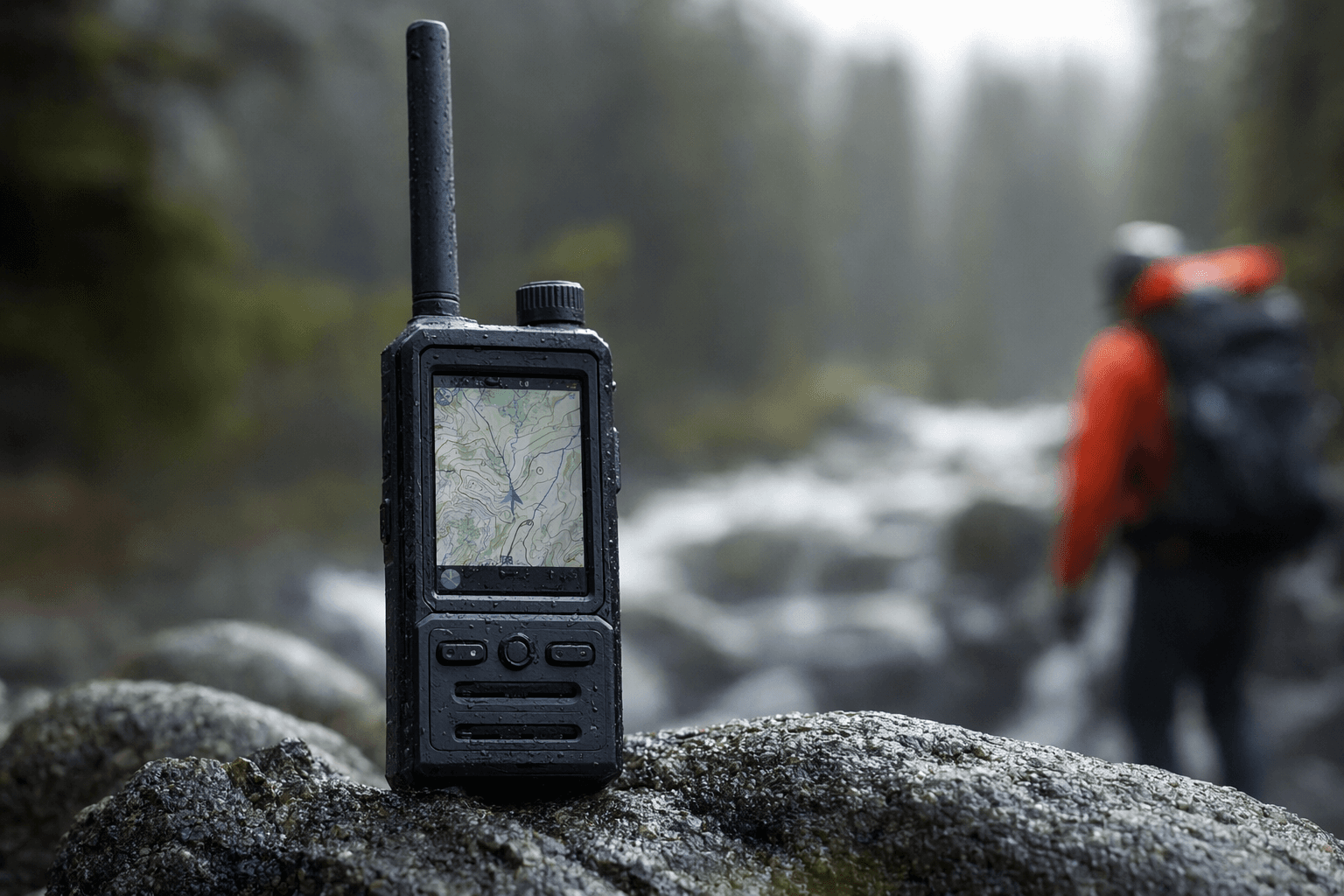
Trail Mate is aimed squarely at ESP32-class hardware, including Lilygo, M5Stack, and GAT IoT devices. Its team mode is especially interesting for people who move in small groups: nearby devices pair over ESP-NOW to exchange a team key, then the actual team traffic runs over LoRa. That split keeps the close-range setup simple while pushing the longer-haul mesh work onto the radio link that makes sense for the backcountry.
The project’s desktop companion, Trail Mate Center, extends that idea beyond the handheld. Built with Avalonia, it serves as a control center for Trail Mate and Meshtastic-compatible devices connected over USB HostLink, with live situational awareness, messaging, offline map preparation, protocol inspection, and propagation analysis. That turns the firmware from a standalone gadget into something you can plan around before a trip and audit after one.
Trail Mate also lands in the middle of a broader off-grid ecosystem that now includes Meshtastic and MeshCore. Meshtastic describes itself as an open source, decentralized mesh network for affordable, low-power devices that works without cell towers, Wi-Fi, or internet, while its docs say you can connect a phone or computer over Bluetooth, Wi-Fi, or USB. MeshCore, meanwhile, is pitched as a lightweight alternative focused on multi-hop packet routing. Trail Mate borrows from that world but pushes harder on a single question: what if the handheld itself were the easiest part?
The pace of development suggests the project is not a side experiment anymore. Trail Mate v0.1.23-alpha landed on 2026-05-01, adding Cardputer Zero and Linux simulator foundations, a Russian locale bundle, and a GPS runtime specification that separates GPS enable intent, receiver mode, satellite mask, power policy, internal NMEA, external NMEA export, transport readiness, and observation state. With 280 stars and 35 forks at the time of crawling, it is already drawing attention from the maker and off-grid comms crowd. For hikers and field users choosing a setup today, Trail Mate looks like one of the first firmware stacks that makes an ESP32 handheld feel less like a compromise and more like the point.
This article was produced by Prism’s automated news system from verified source data, official records, and press releases, then run through automated quality and moderation checks before publishing. The system is built and supervised by the people who set the standards it runs under. Read our full AI policy.
Did this article answer your question?