Meshtastic firmware alpha adds MCP server, broader testing tools, macOS support
Meshtastic’s new alpha leans hard into tooling, with an MCP server, a test TUI, and first-pass macOS work that points to a more automation-friendly stack.
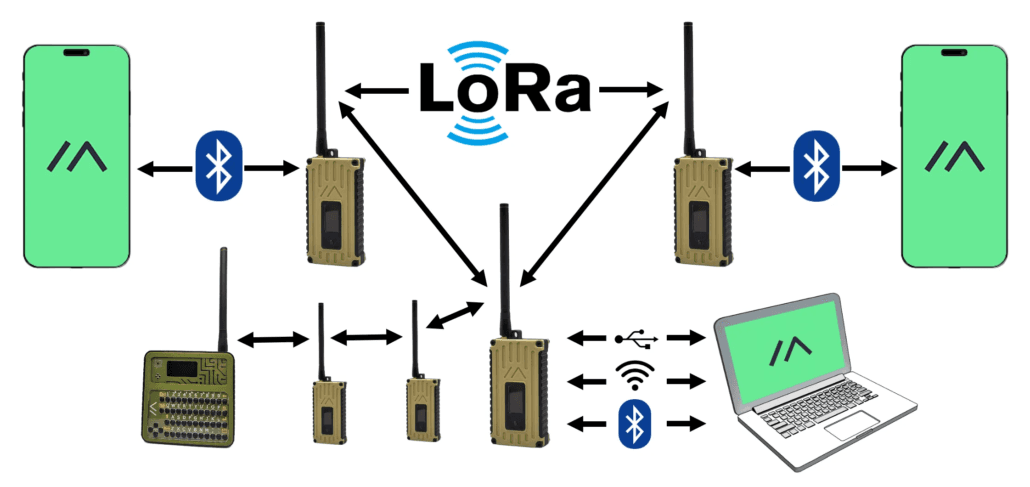
Meshtastic’s 2.7.23.b246bcd alpha looks less like a flashy end-user drop and more like a platform upgrade for people who build, test, and automate around the mesh. The release adds an MCP server for interacting with Meshtastic devices, along with a testing framework, a TUI, and new guidance for writing native unit tests. It also brings USB camera and uhubctl support into the expanded test suite, a sign that the project is tightening the quality gates around a firmware line that keeps getting more capable.
The MCP server is the clearest signal of where the project is headed. Its README says it can discover USB-connected Meshtastic devices, enumerate more than 166 PlatformIO board variants, build, clean, flash, and erase-and-flash firmware, read serial logs, trigger 1200bps touch-reset bootloader entry, and query or administer a live node through the Meshtastic Python API. The release also adds TCP support for the Meshtastic MCP interface and tests, which opens the door to remote workflows and automation setups that do not depend on a direct local USB tether.
Mac users got real movement too. The alpha includes native macOS work, including a “hello world” milestone, plus support for the CH341 LoRa-hardware path on macOS. That matters because Meshtasticd is documented as the native binary for running Meshtastic on devices with SPI or USB radios, and the project’s macOS installation docs show USB radio support on Mac while SPI radios are not listed there. Meshtastic’s downloads page also says Apple apps support the last two major OS versions, with current macOS coverage listed as 26 Tahoe and 15 Sequoia.
The rest of the alpha fills in the kind of fixes that make the ecosystem sturdier without grabbing headlines. The notes call out search-duration checks, better GPS search failure backoff logic, support for spreading factors 5 and 6 on compatible radios, and a few new meshtasticd configs for hardware targets, including a Heltec v4-r8 board entry. The release also fixes serial truncation and documentation issues tied to the macOS path.
For a project that describes itself as an open-source, off-grid, decentralized mesh network built on affordable, low-power devices, that balance makes sense. The alpha is clearly still experimental, but the center of gravity has shifted toward better tooling, broader platform support, and fewer rough edges for the people keeping the mesh moving.
This article was produced by Prism’s automated news system from verified source data, official records, and press releases, then run through automated quality and moderation checks before publishing. The system is built and supervised by the people who set the standards it runs under. Read our full AI policy.
Did this article answer your question?