Meshtastic challenges APRS by rethinking decentralized radio messaging
Meshtastic does not replace APRS so much as rework the same habits for LoRa, mesh, and off-grid use. The real story is where each system still wins.
Why this comparison matters
The smartest way to read the APRS versus Meshtastic debate is not as a cage match. APRS has long been the default ham data layer, and it was built by Bob Bruninga, WB4APR, who introduced it at the 1992 TAPR/ARRL Digital Communications Conference as a real-time tactical system for exchanging digital data of immediate operational value. Meshtastic borrows the same instincts, beaconing, position sharing, short status updates, quick messages, but changes the transport underneath.
That distinction is the whole story. APRS and Meshtastic can both move lightweight data, but they do it with different assumptions about licensing, infrastructure, and how much of the network you can trust to already exist. If you come from packet radio, convoy work, or emergency comms, Meshtastic feels familiar fast, but it is not APRS wearing different hardware.
How the two systems work differently
APRS is built around amateur-band infrastructure, digipeaters, and store-and-forward paths, with AX.25 packet radio as part of its classic stack. The FCC defines the amateur radio service as a licensed service for qualified people interested in radio technique for self-training, intercommunication, and technical investigations, and the ARRL says U.S. amateur licenses last 10 years, with Technician as the entry-level class for most new operators. That licensing structure is part of APRS’s culture, not just its paperwork.
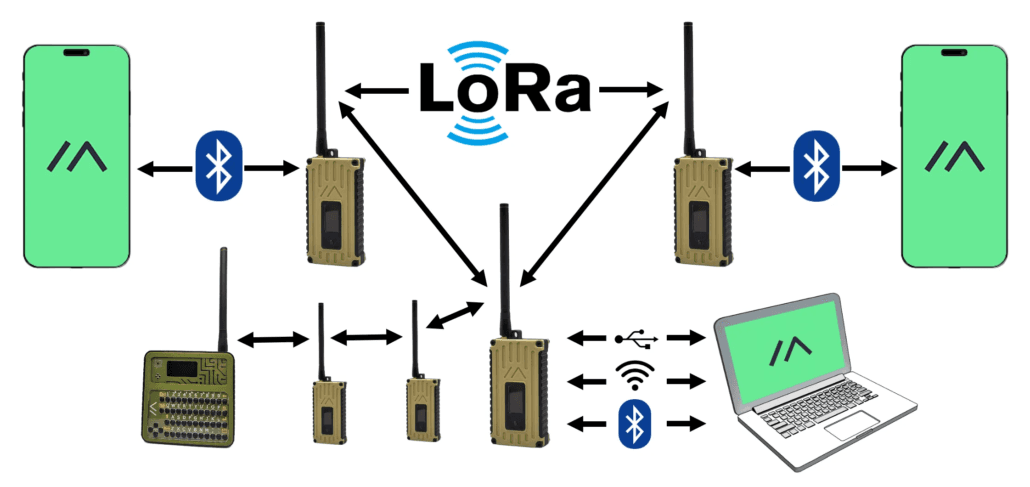
Meshtastic takes a different route. It describes itself as an open-source, off-grid, decentralized mesh network built to run on affordable, low-power devices, and its channel system supports optional network-wide AES-256 encryption. In North America it is commonly configured for the 902-928 MHz ISM band, while in Europe it is commonly used around 868 MHz or 433 MHz, depending on regional rules and limits.
A practical way to think about it is this:
- APRS leans on a shared ham ecosystem, with established norms and a long trail of interoperable gear.
- Meshtastic leans on LoRa radios and a flooding-based mesh, where every node helps forward traffic.
- APRS expects licensed-band behavior.
- Meshtastic lowers the barrier to experimentation because it is designed for common ISM-band use.
That flooding-based design matters. Meshtastic is not just point-to-point messaging, it is a self-healing mesh, so when nodes move or infrastructure disappears, the network can adapt as long as there are enough participating radios in range.

Where Meshtastic fits into your existing ham habits
Meshtastic makes the most sense when you already think in packet-style workflows. Periodic beacons, location updates, check-ins, and short operational messages translate cleanly, especially for trail groups, field events, vehicle convoys, and temporary setups where you want something that boots quickly and runs on modest power. You keep the mindset of APRS, but you stop depending on APRS-style coverage and bandwidth assumptions.
That is why Meshtastic feels less like a novelty and more like a companion layer. It preserves the habits you already know from ham data work, but it does so with LoRa radios, encryption options, and mesh forwarding instead of the older packet-radio architecture. The payoff is flexibility, especially when you want off-grid messaging without standing up a more elaborate station plan.
Store-and-forward is the clearest example of Meshtastic meeting APRS users halfway. Meshtastic supports a dedicated store-and-forward module, and firmware 2.4 automatically retrieves larger message history from a store-and-forward server. That is useful when nodes fall out of range or the mesh is sparse, but it also changes the way you operate: you are no longer assuming that every packet will hop across a mature regional network the way APRS operators often do.
Where APRS still has structural advantages
APRS still has real advantages, and pretending otherwise misses the point. Its biggest strength is interoperability. Because APRS has decades of deployed infrastructure, digipeaters, maps, and operator habit behind it, position packets and tactical messages land in a shared language that a lot of the ham world already understands.
That shared language comes from the ecosystem as much as the protocol. APRS lives inside amateur-radio norms, which means you are working with licensed operators, established workflows, and a common expectation that the network is part of the broader amateur service. Meshtastic can absolutely carry similar kinds of data, but it does not automatically buy you that same cross-network recognition.
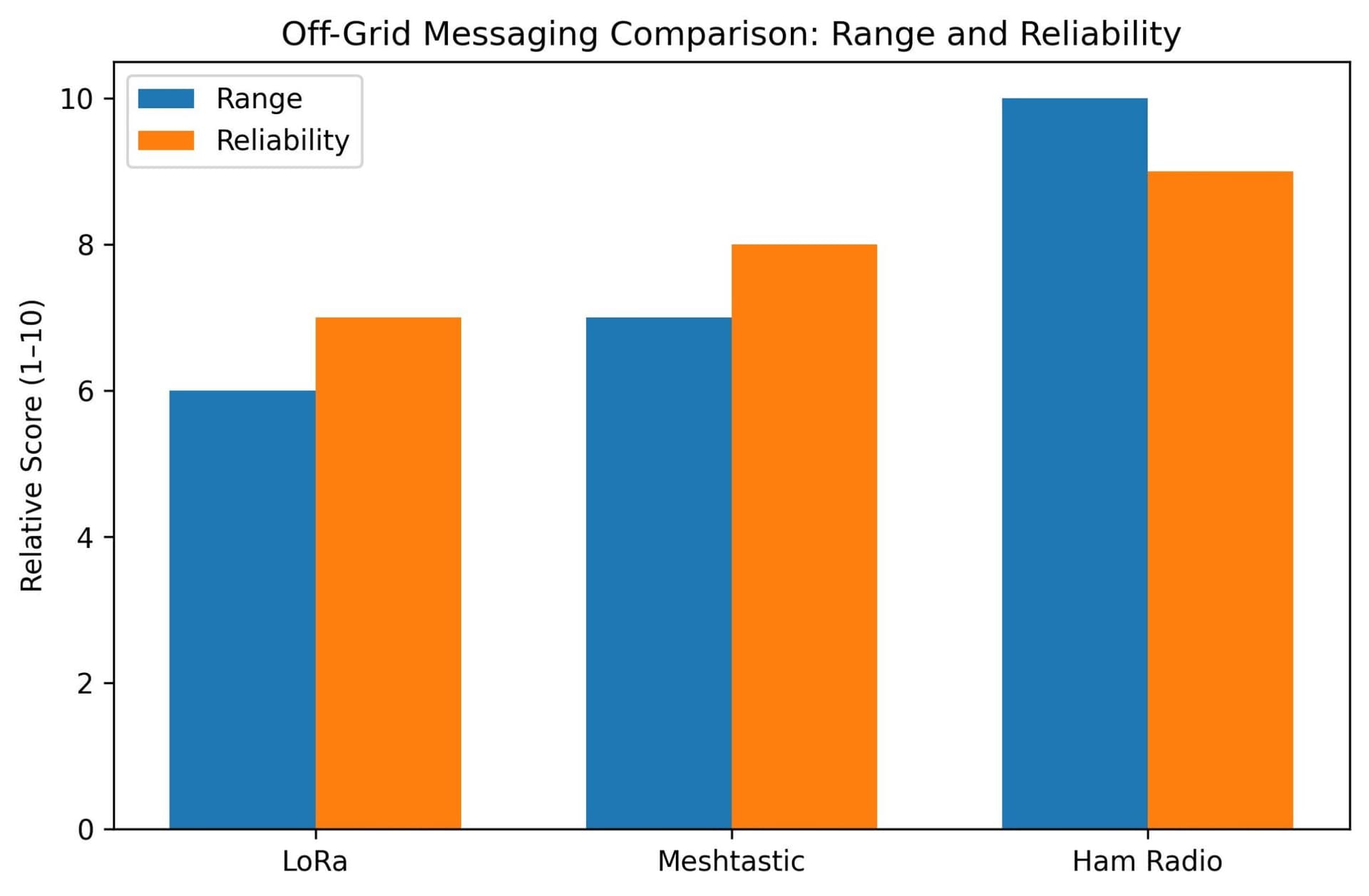
Coverage is the other hard truth. APRS benefits from the installed base of ham stations and digipeaters, while Meshtastic depends on mesh density, regional band choices, and the limits of the ISM environment you are operating in. In practice, Meshtastic is strongest where you control the radios or can seed the route yourself; APRS is strongest where the amateur ecosystem is already doing the heavy lifting.
The real takeaway
The most honest way to frame Meshtastic is not as an APRS killer, but as a different answer to the same question: how do you move useful data when you do not want to rely on cellular service? APRS remains the shared amateur data layer with decades of norms, coverage, and interoperability behind it. Meshtastic is the flexible off-grid layer that brings encryption, low power, and mesh behavior to the same basic problem.
If you already live in the ham data world, Meshtastic belongs in your toolbox. It is best treated as a complement to APRS, not a replacement for it, because the two systems solve adjacent problems with different operating assumptions. That is exactly why Meshtastic matters: it widens the practical range of decentralized radio messaging without asking APRS to stop being APRS.
This article was produced by Prism’s automated news system from verified source data, official records, and press releases, then run through automated quality and moderation checks before publishing. The system is built and supervised by the people who set the standards it runs under. Read our full AI policy.
Did this article answer your question?