Meshtastic Goes Mainstream, $48 Kit Makes Off-Grid Messaging Easy
A $48 M5Stack kit is lowering the Meshtastic barrier, but the bigger story is whether easier onboarding and denser local meshes can turn curiosity into real adoption.

A $48 starter kit may be the sharpest sign yet that Meshtastic is moving past its maker-only reputation. M5Stack’s Cardputer Mesh Kit packages off-grid texting and GPS location sharing into one ready-made device, and that matters because it cuts out the board-by-board build that has long slowed down first-time users.
The price point also reframes the entry cost. A basic two-node Meshtastic setup can come in under $100, which keeps the system within reach for people who want to test off-grid messaging without treating it like a major hardware project. That kind of pricing is where mainstream interest starts to feel real: less setup friction, less guesswork, and a faster path from curiosity to a working mesh.
Meshtastic’s own positioning helps explain why the ecosystem has broadened. The project describes itself as an open-source, off-grid, decentralized mesh network built for affordable, low-power devices, with no cell towers and no internet required. It is community-driven, support is volunteer-based, and it is designed to work without a radio operator license. Licensed ham operators can enable a special flag, and the docs say encryption can be turned off in ham-radio contexts.
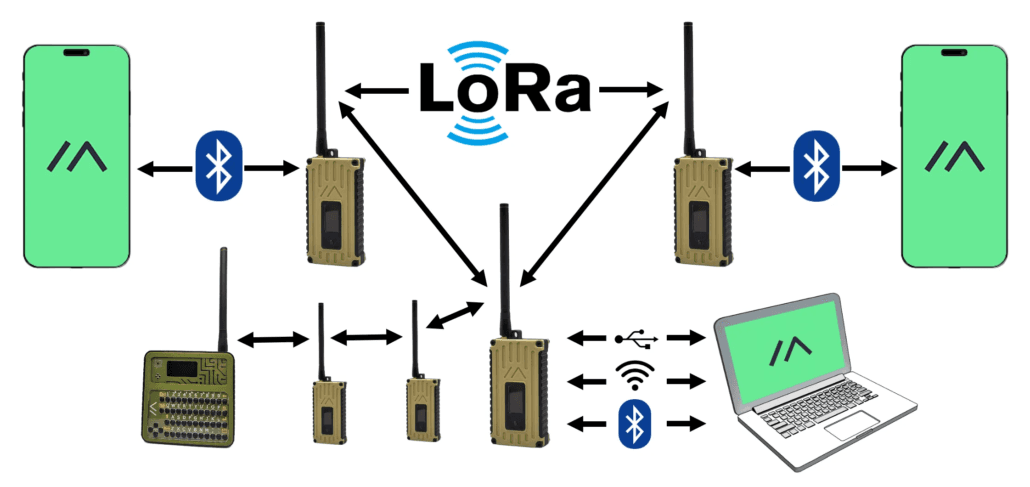
The workflow is built for practical use. Messages move from a companion app to the radio over Bluetooth, Wi-Fi, Ethernet, or serial, then get rebroadcast across the mesh. If no confirmation comes back, the radio retransmits up to three times. Meshtastic now has official clients for iOS, iPadOS, macOS, Android, web, and a Python CLI and SDK, which makes it easier to treat the platform as software plus hardware instead of just a radio project.

That broader software stack is part of the mainstreaming argument. The docs point to active local groups organizing networks in different regions, and that is where cheap hardware starts to matter beyond the individual unit. More nodes mean denser coverage, and denser coverage is what turns a neat demo into a useful local communications layer. The timing also comes as users increasingly compare Meshtastic with MeshCore, a faster rival that runs on the same hardware.
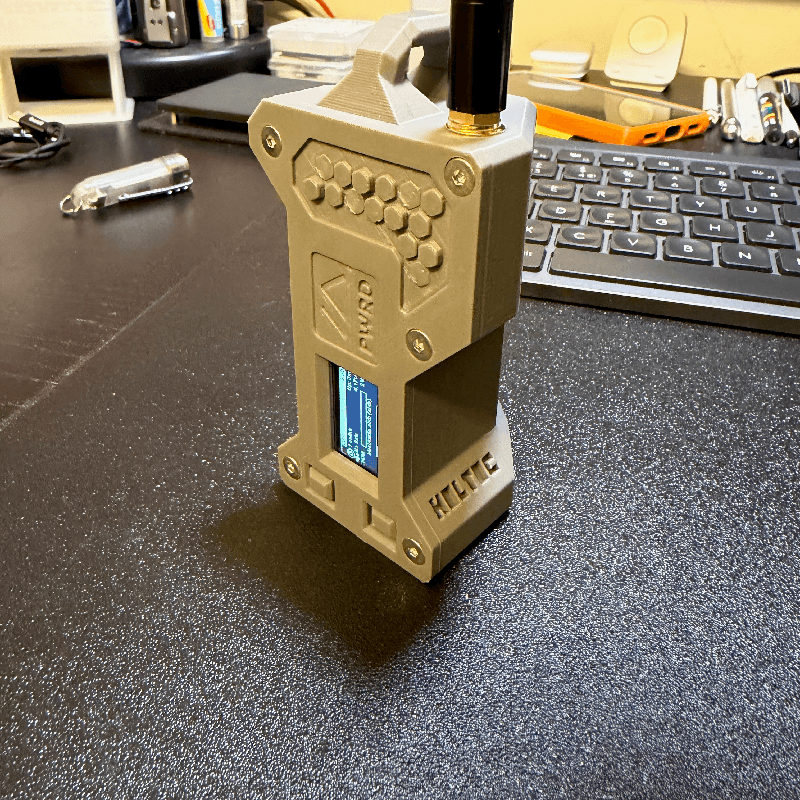
The hardware side is still expanding too. Meshtastic’s device docs separate official supported hardware from community-supported devices, while M5Stack currently lists the Cardputer Mesh Kit for Meshtastic at $48.00. Meshtastic Solutions, announced on October 23, 2024, was created to support the open-source project and businesses building on it. Put together, the signal is clear: the real tipping point is not just cheaper radios, but whether the apps, docs, local networks, and support structure are now strong enough to make Meshtastic feel ready for far more than hardcore tinkerers.
This article was produced by Prism’s automated news system from verified source data, official records, and press releases, then run through automated quality and moderation checks before publishing. The system is built and supervised by the people who set the standards it runs under. Read our full AI policy.
Did this article answer your question?