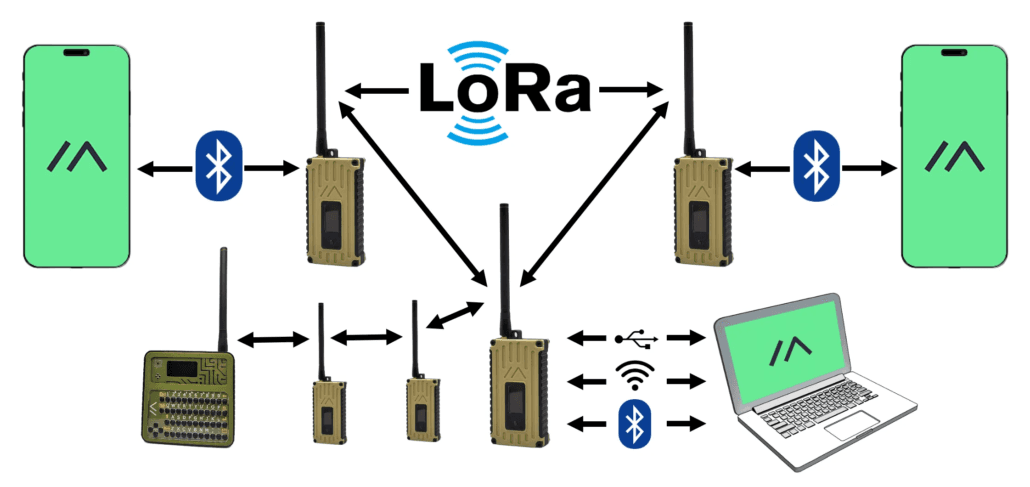
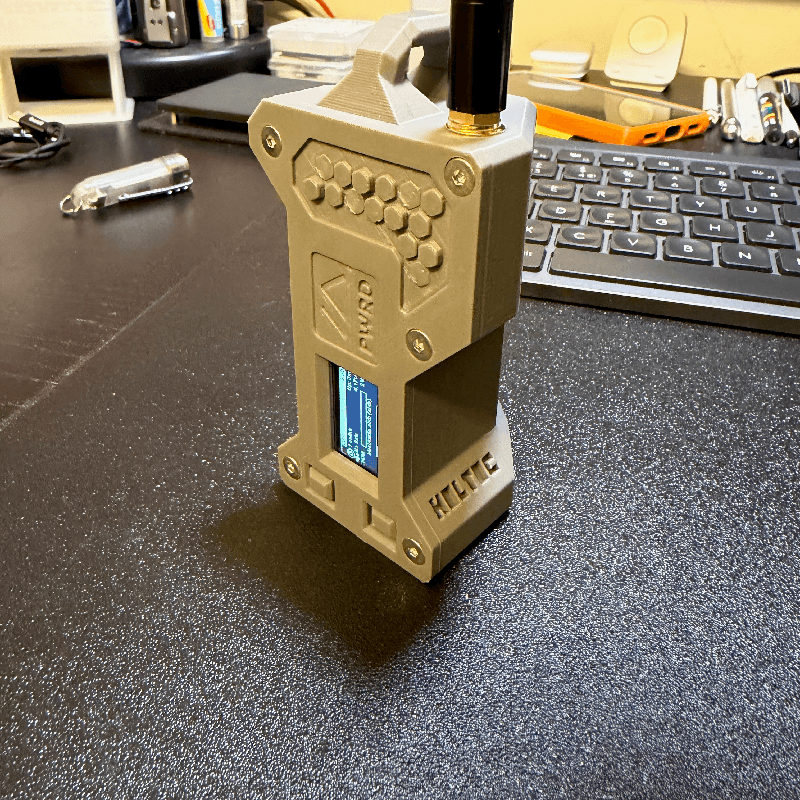
Meshtastic firmware fixes T-Echo button bugs and Heltec Mesh Pocket issues
Meshtastic's latest firmware work tackles false T-Echo button presses and Heltec Mesh Pocket quirks, the kind of fixes that keep pocket nodes from misbehaving.
The official Meshtastic firmware tree has been chewing through a set of small but important hardware fixes, and the ones that matter most to owners are easy to spot: spurious button presses on some T-Echos, trunk fixes for the Heltec Mesh Pocket, and a config tweak for tlora_v1_3 and tlora_v2_1_16. Add in Bosch library refreshes for bsec2 and bme68x, and you get the picture of a project that is still spending real time on the unglamorous work of keeping a mixed board lineup usable.
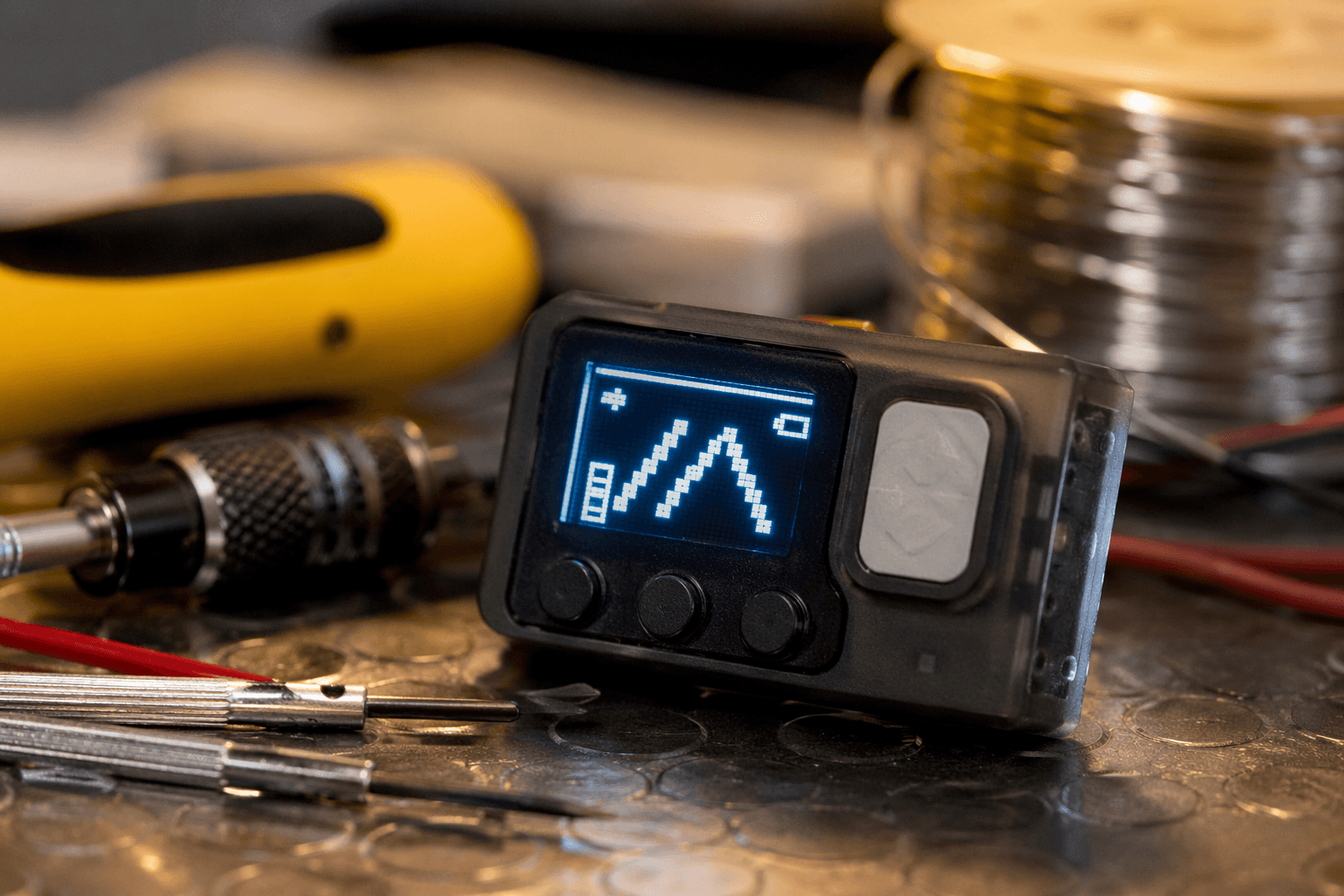
The T-Echo fix is the one that will get attention first because the symptom is the kind that drives people nuts in the field. Meshtastic’s T-Echo is an nRF52840-based device with an SX1262 LoRa radio, GPS, and a 1.54-inch eInk display, plus reset, program, and capacitive touch buttons. It is also flashed through the filesystem rather than the USB data port, so when button handling goes sideways, the device can feel flaky even before the radio comes into play. That matters because a previous GitHub issue described a T-Echo randomly powering on without any button press, sometimes just from being picked up or left sitting nearby. This new fix looks aimed straight at that kind of ghost-input behavior.
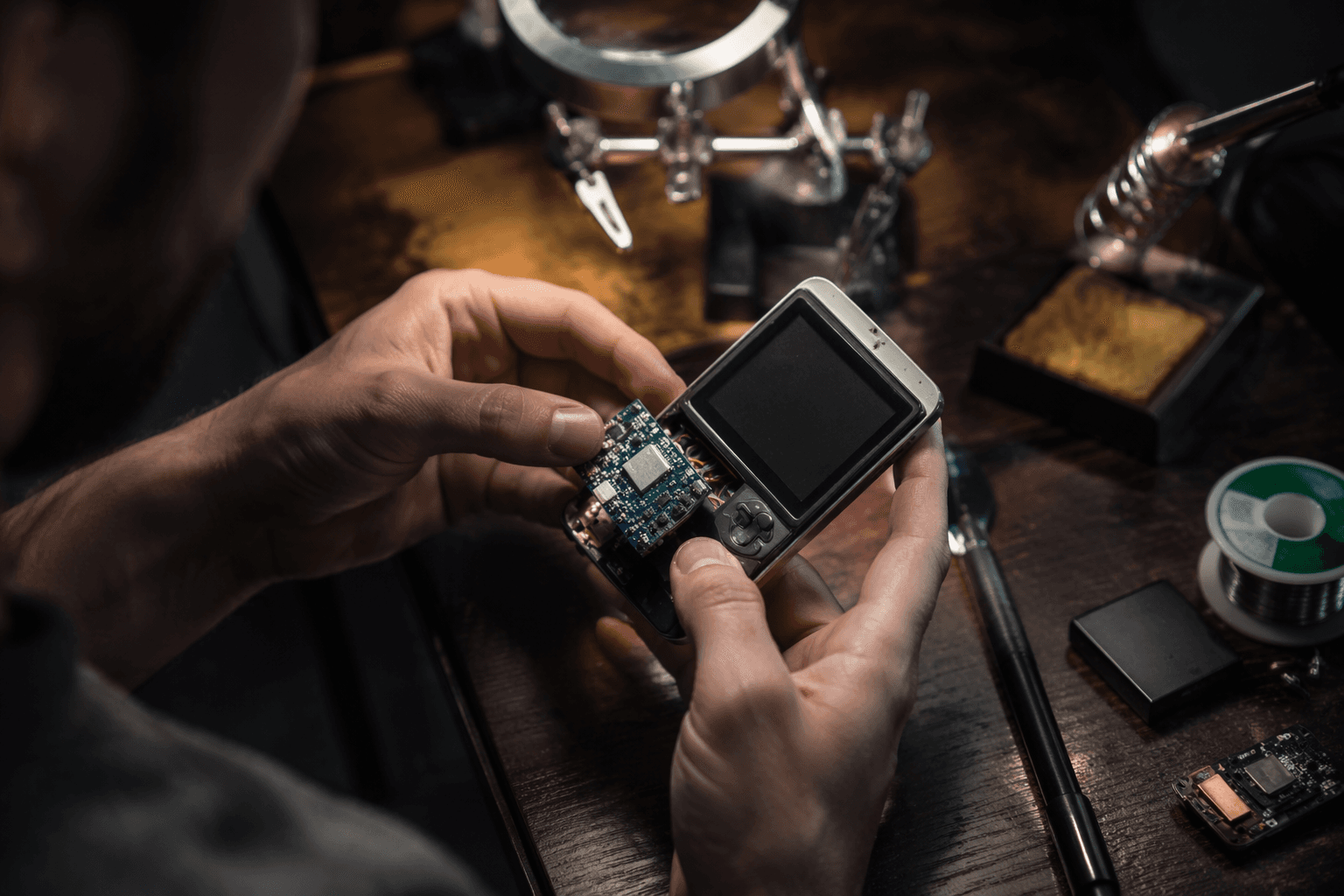
The Heltec Mesh Pocket work points to a similar category of pain, just on a different board. Meshtastic describes the Mesh Pocket as an nRF52840-based portable node with a 2.13-inch e-ink display and 5000 mAh or 10000 mAh battery options. Heltec says it ships with Meshtastic firmware preloaded and can be updated through the side-mounted magnetic programming interface. Trunk fixes here likely mean the project is smoothing over board-level quirks, the sort of regression that shows up when a portable node wakes, flashes, or routes traffic differently than expected.
The smaller tlora_v1_3 and tlora_v2_1_16 upload_speed change, plus the Bosch dependency updates, reinforce the same story: Meshtastic is still balancing board support, build upkeep, and day-to-day reliability across a wide hardware spread. If you run a T-Echo in a pocket, or a Mesh Pocket as a carry node or relay, this is the kind of firmware worth watching closely and testing on a spare before you trust it as your primary device. These are not flashy changes, but they are exactly the fixes that keep a mesh node from acting haunted.
This article was produced by Prism’s automated news system from verified source data, official records, and press releases, then run through automated quality and moderation checks before publishing. The system is built and supervised by the people who set the standards it runs under. Read our full AI policy.
Did this article answer your question?