Meshtastic firmware patch targets PKC simulation on Portduino Linux runtime
A Portduino patch aims to make PKC and packet-length tests behave like real radios, so Linux simulation catches bugs before hardware does.
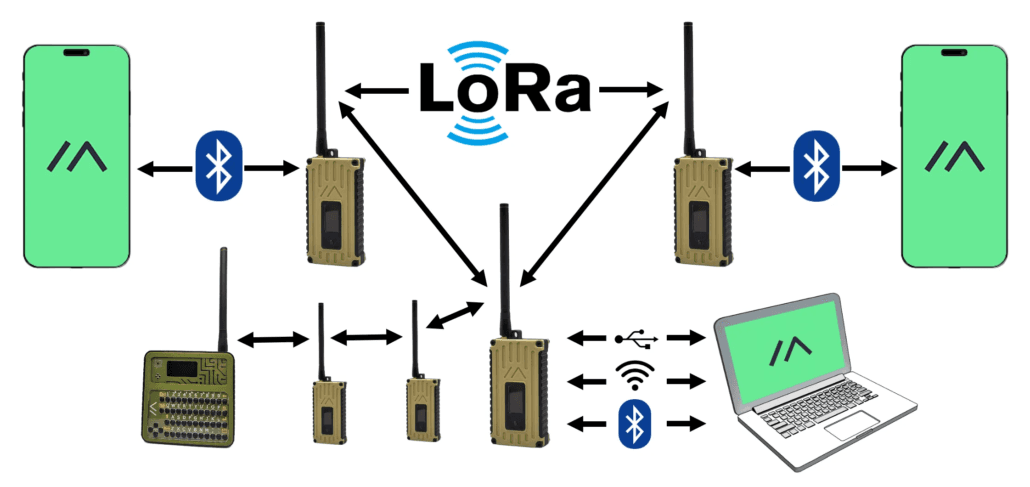
A new pull request on meshtastic/firmware is trying to make Portduino simulations tell the truth about PKC, region blocks and packet length before the code ever reaches a radio. That matters because Portduino is not a side project in Meshtastic, it is the Linux-native runtime that lets firmware run as a daemon or in simulated environments, with LoRa traffic emulated over a local TCP port.
Meshtastic’s Linux docs say that setup has been part of the project since firmware 1.3.42, when the simulator gained the ability to send and receive Meshtastic packets as if multiple instances were real nodes. The meshtasticd documentation now extends that idea to Linux and macOS machines, where a host can be turned into a Meshtastic node that sends and receives messages, shares location data and talks to other devices over LoRa or UDP. The service can also be managed with standard systemctl commands, and it stores persistent .proto data under /var/lib/meshtasticd/.portduino/default/prefs/.
The timing is important because Meshtastic introduced Public Key Cryptography for direct messages in firmware 2.5.0, along with Session IDs for admin messages. Once PKC entered the stack, simulator bugs stopped being harmless plumbing problems. If Portduino gets region handling, key generation or packet-length checks wrong, developers can end up trusting tests that should have failed, or chasing failures that would never happen on real hardware.
That is where the practical payoff lands. Portduino is the place where Meshtastic’s C++17 firmware, which targets ESP32, nRF52, RP2040, STM32WL and Linux-Portduino radios, gets exercised before release. The framework-portduino README says every check-in triggers a new native build and a simulation test, which makes this patch part of the project’s automated gatekeeping rather than a niche fix. Clean up PKC simulation here, and you improve the odds that routing logic, admin workflows and region-specific packet behavior survive contact with live mesh deployments.
Recent firmware work has already shown how sensitive packet semantics have become, with release notes calling out fixes such as clamping direct position packets to channel precision. That kind of detail is exactly why a Portduino patch like this carries weight. A simulator that matches real radios more closely does more than help developers debug faster. It lowers the chance that a subtle packet bug, a region rule, or a key-generation edge case shows up for the first time on hardware in the field.
This article was produced by Prism’s automated news system from verified source data, official records, and press releases, then run through automated quality and moderation checks before publishing. The system is built and supervised by the people who set the standards it runs under. Read our full AI policy.
Did this article answer your question?