Meshtastic firmware PR adds gpsd support for native Linux builds
Meshtastic’s new gpsd PR could let Linux nodes share one GPS receiver cleanly, instead of tying meshtasticd to a single serial device.
Meshtastic picked up a pull request on June 25, 2026 that could make Linux-native nodes a lot easier to wire up in the real world. Pull request #10781, Add gpsd support to portduino/native, was opened by jessm33, marked hardware-support, and already showed up as Approved in the meshtastic/firmware pull-request list.
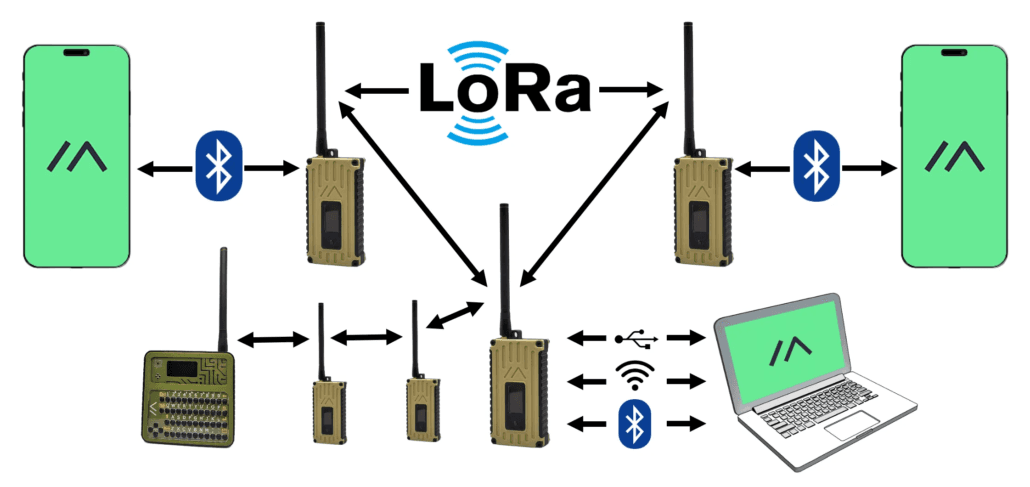
The change lands in the part of Meshtastic that has been pushing farthest beyond handheld radios. meshtasticd is the project’s native binary for running Meshtastic on Linux and macOS with SPI or USB radios, and Portduino is the layer that lets the firmware run as a native process on Raspberry Pi and desktop systems instead of as a bare-metal device build. In Meshtastic’s Linux development docs, firmware from 1.3.42 onward can even simulate the LoRa chip over a local TCP port, so multiple instances can talk to each other as if they were real LoRa nodes.

gpsd support fits that architecture cleanly. A GPS daemon lets one receiver serve more than one program, which is a better fit for always-on gateways, test rigs, and vehicle installs than locking Meshtastic to a single /dev/tty device. That is the practical payoff here: cleaner time and location input without custom glue code, and less fighting over who gets the serial port first.
The idea was already alive inside the project before this PR appeared. On June 1, 2024, a Meshtastic GitHub discussion described gpsd as the de-facto standard for sharing GPS data on Linux networks and suggested it for both Linux-native meshtasticd deployments and Wi-Fi or LAN-connected Meshtastic devices. That same discussion spelled out the basic gpsd handshake, TCP port 2947 and a WATCH request, while maintainer thebentern called the proposal very interesting. Another participant flagged Debian bookworm package and receiver-support caveats, a reminder that chipset behavior and distro versions still matter when you start hanging GPS off a Linux box.
Meshtastic had already seen the same request come through in issue #6377, which was opened and closed as a duplicate on March 23. The current PR shows the demand did not go away. It also arrives while Meshtastic keeps stacking up native-platform work, from meshtasticd configs for a B&Q Station G3 to native support for the Adafruit SHTC3 library.
The direction is hard to miss: Meshtastic is no longer just a handheld radio project with some desktop support bolted on. With gpsd in Portduino, the Linux side starts to look like a first-class home for gateways, repeaters, and lab nodes that need to sit quietly on a network and share hardware instead of hogging it.
This article was produced by Prism’s automated news system from verified source data, official records, and press releases, then run through automated quality and moderation checks before publishing. The system is built and supervised by the people who set the standards it runs under. Read our full AI policy.
Did this article answer your question?