Meshtastic GitHub snapshot shows 128-repository ecosystem expanding fast
Meshtastic’s GitHub org now spans 128 repositories, with firmware, apps, flasher tools, and APIs all moving at once. That is the clearest sign the stack is alive, not drifting.
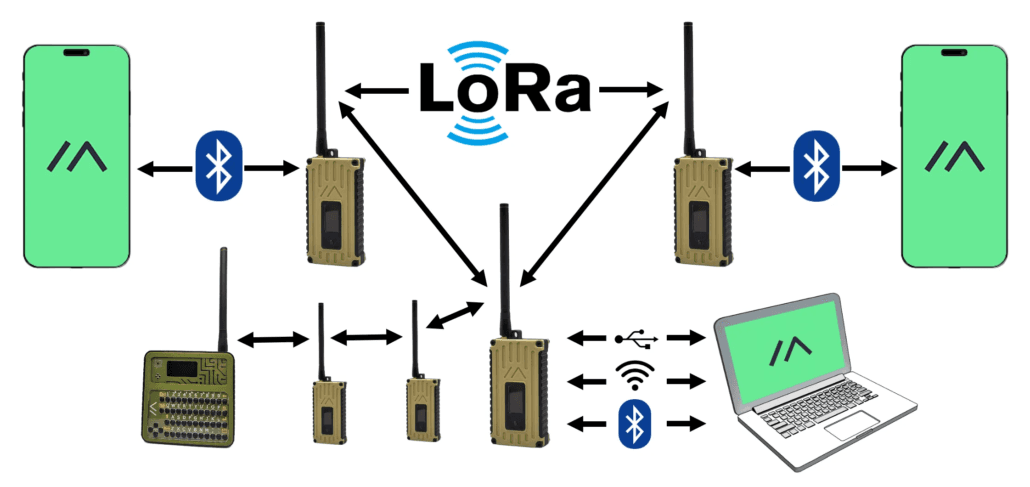
Meshtastic’s GitHub organization page looks less like a single hobby firmware repo and more like a full operating stack. The snapshot shows at least 128 repositories spread across the core firmware, the Android client, protobuf definitions, the web flasher, a web app, an ATAK plugin, and a mix of SDK and integration projects. For anyone deciding whether to buy hardware or sink time into the platform, that breadth is the point: Meshtastic is no longer just code that runs on a radio, it is the whole path from flashing a device to pairing it with a phone to tying it into outside systems.
The repo list makes that surface area concrete. Alongside the official firmware and the Android client, the page surfaces the Meshtastic Web Client and JS monorepo, an event-specific flasher, the Meshtastic Website API, an MQTT-oriented client library, and a TAK packet SDK built for interoperability work. Those are not vanity projects sitting off to the side. They are the pieces that decide whether a new node is easy to get on air, whether a mobile client stays in sync with the protocol, and whether Meshtastic can talk cleanly to tools people already use.

The update cadence is the other big tell. In the current snapshot, the website and documentation repo was updated minutes ago, Meshtastic-Apple was also updated minutes ago, firmware changed within about an hour, Android within hours, and other support repos moved over the course of the same day. That kind of staggered activity is exactly what you want when you are choosing a radio ecosystem. It means fixes are landing across the stack instead of getting stuck in one bottleneck, and it lowers the chance that one part of the project quietly falls behind while the rest keeps moving.
It also shows how the work is split. Consumer-facing pieces like the web flasher and app clients keep onboarding simple, while firmware and protobufs keep the mesh protocol evolving underneath. That separation matters in practice because a cleaner flashing flow, a current phone app, and active protocol work are what keep a mesh from feeling brittle after the first setup weekend.
For Meshtastic builders, the GitHub page is doing more than counting repositories. It is showing a project with enough momentum to support real devices, real integrations, and real maintenance pressure, which is the kind of signal that makes a hardware bet feel safer.
This article was produced by Prism’s automated news system from verified source data, official records, and press releases, then run through automated quality and moderation checks before publishing. The system is built and supervised by the people who set the standards it runs under. Read our full AI policy.
Did this article answer your question?