Meshtastic patch improves Seeed Studio Card Tracker T1000-E sensor detection
A Meshtastic patch tightened QMA6100P probing on the Seeed Studio Card Tracker T1000-E, aiming to make the card-sized tracker boot cleaner and feel less flaky.
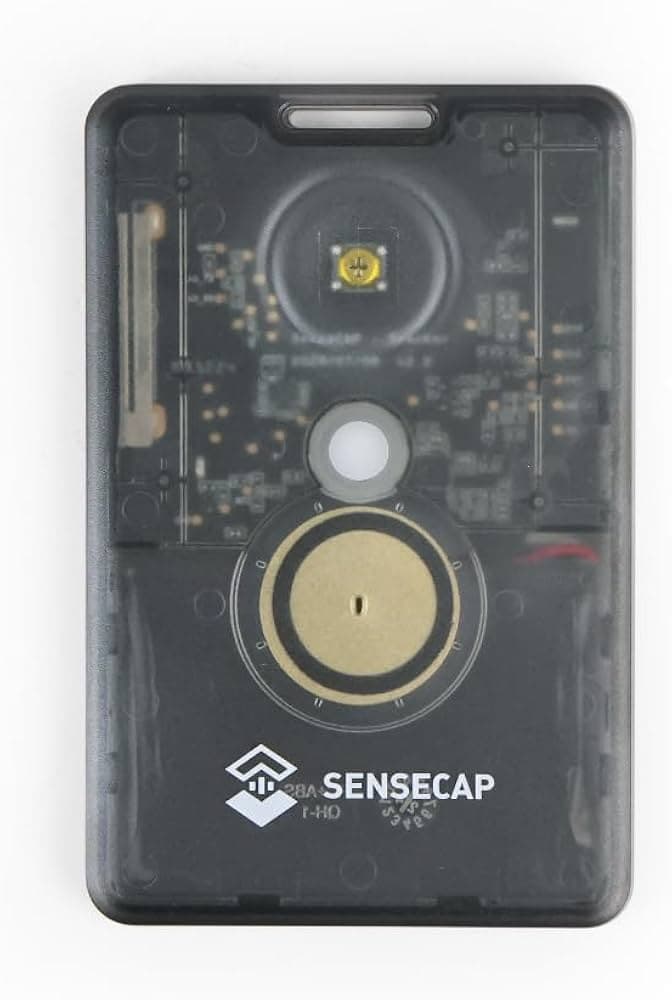
A patch aimed at Seeed Studio’s Card Tracker T1000-E went after one of the least glamorous parts of hardware support, but also one of the most important: whether the device can actually find and initialize its onboard sensors every time it boots. The pull request focused on the tracker’s QMA6100P I2C probing path, a low-level fix that can be the difference between a node that feels solid in the field and one that looks fine on paper but stumbles in daily use.
That matters because the T1000-E is not a bench toy. Meshtastic’s hardware docs already list it as supported hardware and describe it as an IP65-rated, card-sized tracker with GPS, the kind of compact node people clip on, carry, or toss into a bag when they need something rugged and easy to deploy. When a device like that is expected to wake up, lock in, and start reporting without fuss, sensor detection stops being a detail and becomes part of the product’s trustworthiness.
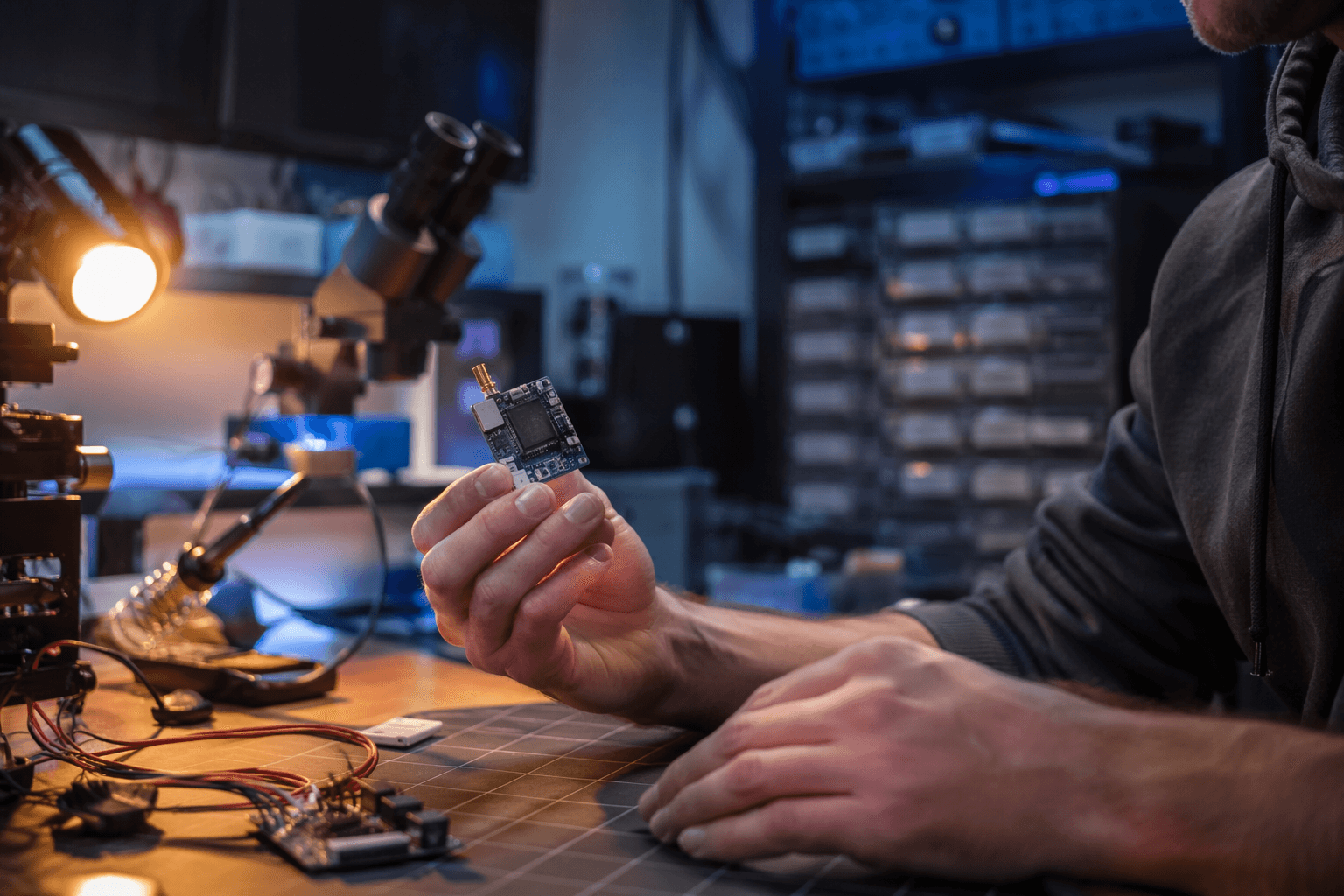
The change also lands in the part of the stack users actually feel. If the tracker misses or mishandles its QMA6100P during startup, the symptom is not a flashy crash screen. It is the kind of quiet instability Meshtastic users notice as flaky hardware behavior: a device that does not seem fully initialized, a sensor path that looks unreliable, or a tracker that needs extra babysitting before it behaves the way a GPS-equipped node should. Fixing that sort of problem does not just tidy up board bring-up. It removes friction from the moment when someone expects the tracker to be ready for a hike, a field job, or an emergency bag.
For Meshtastic, that is the real story here. The project already sells the promise of affordable hardware that you can flash and trust quickly, and board-specific patches like this are how that promise gets sharper on real devices. The T1000-E was already in the supported hardware list; this work pushes it closer to the kind of no-drama behavior that makes a small tracker useful when it leaves the workbench and goes into the world.
This article was produced by Prism’s automated news system from verified source data, official records, and press releases, then run through automated quality and moderation checks before publishing. The system is built and supervised by the people who set the standards it runs under. Read our full AI policy.
Know something we missed? Have a correction or additional information?
Submit a Tip