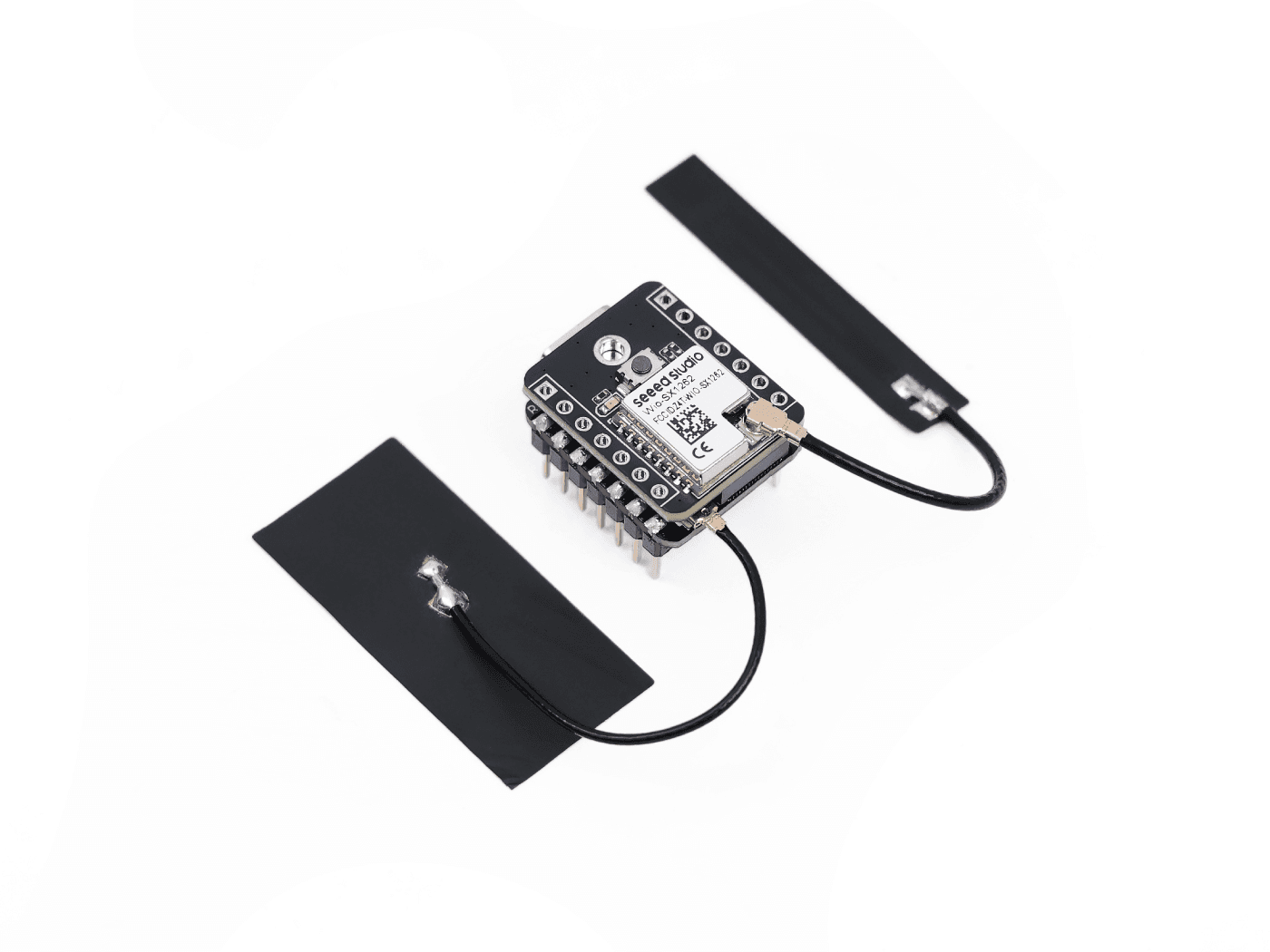
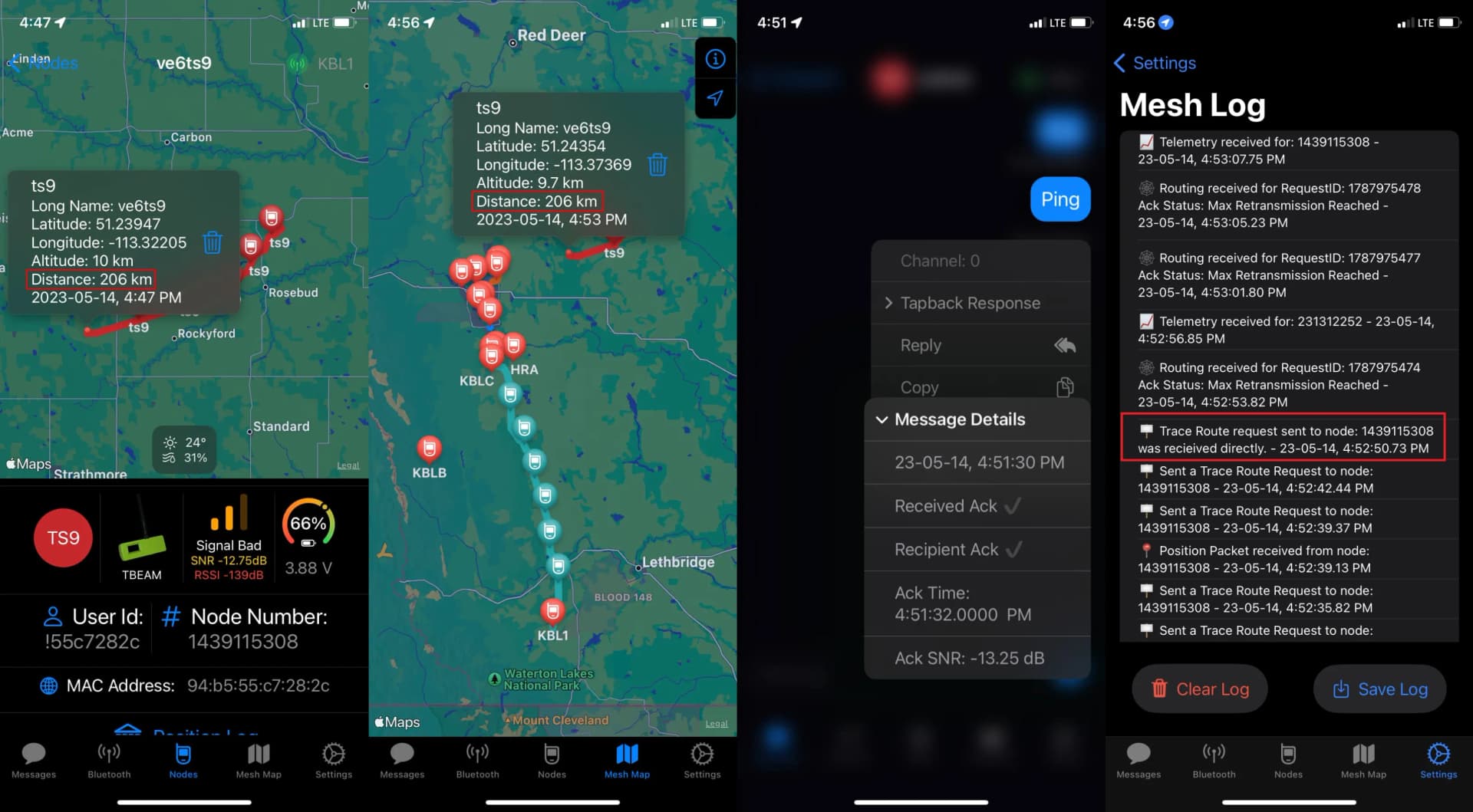
meshtastic-sniffer decodes multiple channels at once with one SDR
One SDR can now watch a wider Meshtastic slice in parallel, catching channel activity that a single-decode setup would miss on busy meshes.
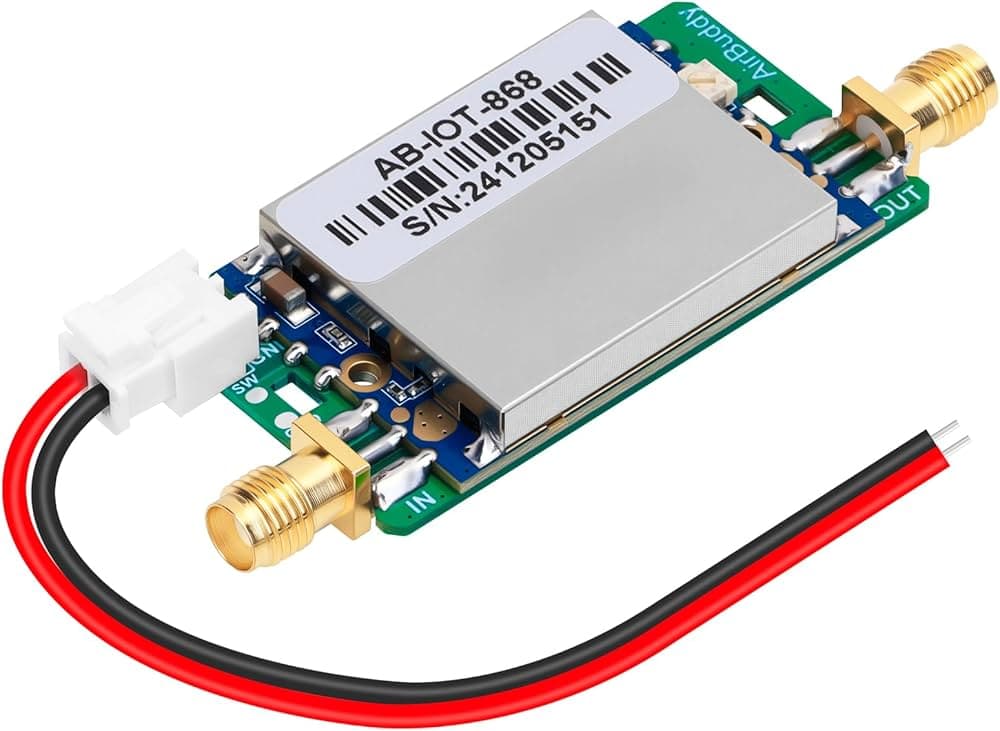
Missing one preset on a busy mesh can mean missing the packet that explains everything. The latest meshtastic-sniffer turns that into a wider pass: one SDR, one IQ slice, and parallel decoders that can pull apart every Meshtastic channel and preset that fits in that slice at the same time.
The tool, alphafox02/meshtastic-sniffer, is built as a wideband passive Meshtastic LoRa receiver in C. Its architecture is blunt about the flow: one SDR feeds one wide IQ stream, a polyphase channelizer splits that stream, and N parallel LoRa decoders work the slice in concert before AES-CTR and protobuf decoding finish the job. In practical terms, that makes traffic analysis more useful for debugging crowded networks, validating which channel is actually alive, and mapping how RF behavior changes across presets.
That matters in Meshtastic because the network is not one channel in the abstract. Devices use named channels and modem presets, and radios have to agree on frequency, bandwidth, and spreading factor to talk. In North America, the standard LongFast preset provides 104 frequency slots, and a factory-reset radio defaults to LongFast on slot 0. If the mesh is split across several settings, a single narrow decode path can leave operators staring at only part of the picture.
The broader context is a community that already treats passively observing RF as a legitimate troubleshooting tool. Meshtastic documentation says rebroadcasting can expose public traffic to other nodes that share modem settings, while private channels rely on a shared PSK. That makes a wideband receiver useful not just for packet counting, but for checking which settings are actually in use and how traffic moves when radios forward messages across the mesh.
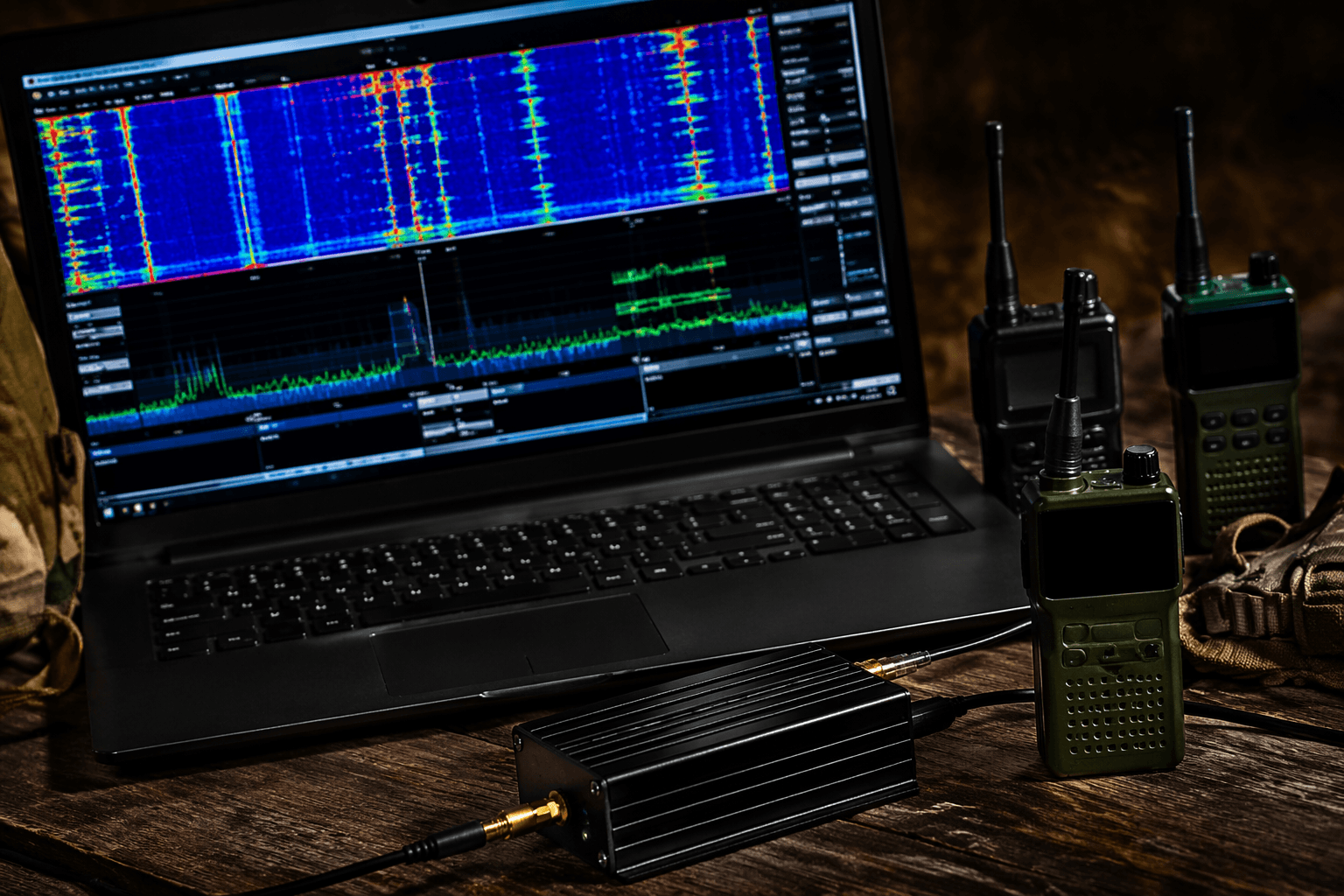
The first public release of meshtastic-sniffer added export paths for JSON, ZMQ, MQTT, CoT, and PCAP, along with offline PSK recovery and multi-station aggregation through meshtastic-fusion. It also arrived after an earlier, separate GitHub project with the same name, sibrat/meshtastic-sniffer, which was an Arduino-based packet sniffer aimed at local administration and debugging and even collected packets with bad checksums. The new build is a different class of instrument: wider, faster, and aimed at the cases where one channel is never the whole story.
That push lands inside a Meshtastic ecosystem the project describes as spanning more than 100 community-supported devices, 26 LoRa regions, and 1,800 code contributors worldwide. In a network that large, the question is no longer whether a packet exists. It is what you can see now that you could miss before.
This article was produced by Prism’s automated news system from verified source data, official records, and press releases, then run through automated quality and moderation checks before publishing. The system is built and supervised by the people who set the standards it runs under. Read our full AI policy.
Know something we missed? Have a correction or additional information?
Submit a Tip