Meshtastic T-Beam user reports GPS failure after multiple firmware tests
A T-Beam v1.1 blinked its GPS LED through several alpha and beta builds, yet never locked satellites. The mix of GPS and Bluetooth trouble pointed beyond firmware alone.

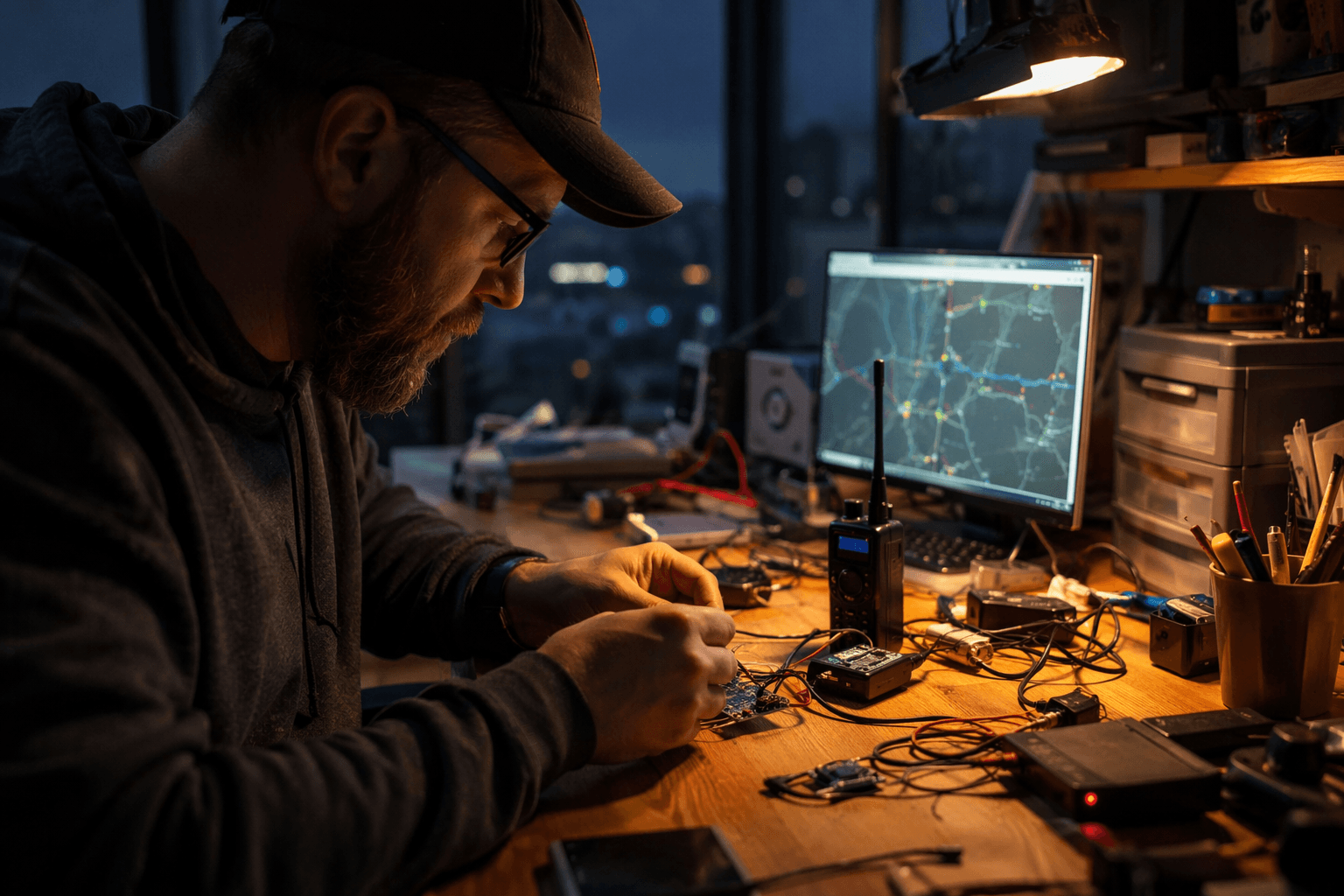
A TTGo T-Beam v1.1 that still blinked its GPS LED but never picked up a satellite after hours outside turned into a useful Meshtastic troubleshooting clue rather than a simple bug report. The GitHub discussion, opened on May 15, 2026 and still sitting at 0 replies, showed a board that looked partly alive and partly stuck: the poster had tried several alpha and beta firmware versions, saw the u-blox NEO-6M blinking, and still never got a fix.
That combination matters because a blinking GPS light only proves the module is powered and talking at some level. It does not prove the rest of the chain is healthy. The same user also said Bluetooth never reached a pairing-code prompt, which pushes the case away from a single GPS setting and toward a broader board, configuration, or firmware interaction problem.
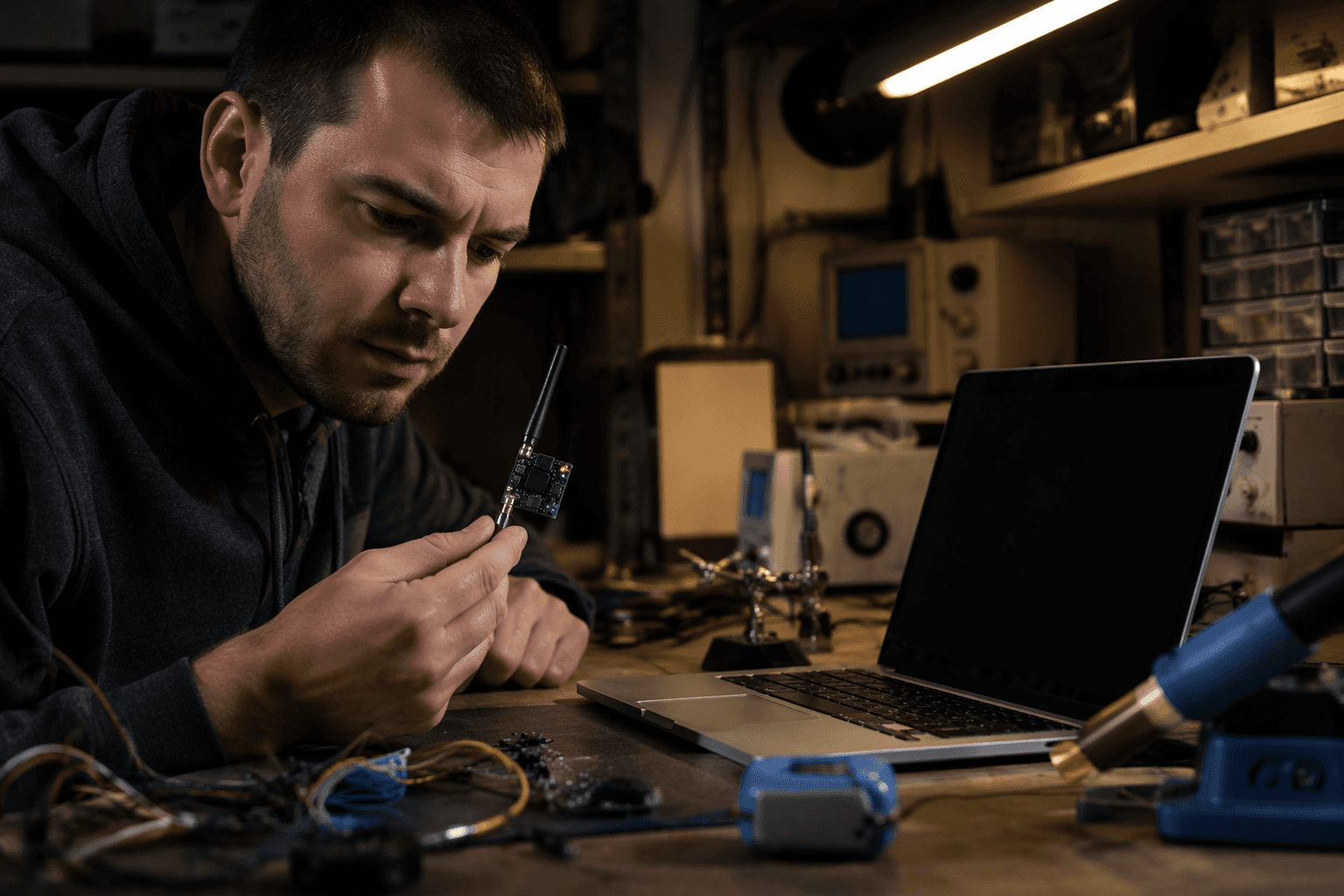
For Meshtastic operators, the first lesson is to separate signals. The hardware docs describe the T-Beam family as GPS-equipped ESP32 and SX1276 boards with Bluetooth 4.2, and the LILYGO design includes an 18650 battery holder. In other words, the platform bundles radio, GPS, power, and Bluetooth into one compact device, which is exactly why one fault can be easy to misread as several. A GPS LED can blink, Bluetooth can partially wake, and the node can still fail to behave normally in the field.
The second lesson is to check configuration before swapping builds at random. Meshtastic’s position settings allow GPS mode to be enabled, disabled, or marked not present. The docs also note that position data can come from either the radio or a paired phone, and that the node will still send position updates at the broadcast interval even if no GPS fix is achieved. That means a node can appear active in the app while still lacking a real satellite lock.
The pattern is not new. Earlier GitHub threads documented a T-Beam v1.2 case where the GPS module initialized but would not produce positioning, and another where the red GPS LED on a T-Beam with an M8N chip stopped blinking on 2.2.9 alpha firmware, while older firmware kept it blinking properly. One related report even raised the possibility of an AXP192 change. Taken together, those cases make the May 15 post read like part of a recurring T-Beam GPS failure class, the kind that rewards a careful split between firmware, configuration, and board-level checks before anyone starts chasing the next build.
Know something we missed? Have a correction or additional information?
Submit a Tip