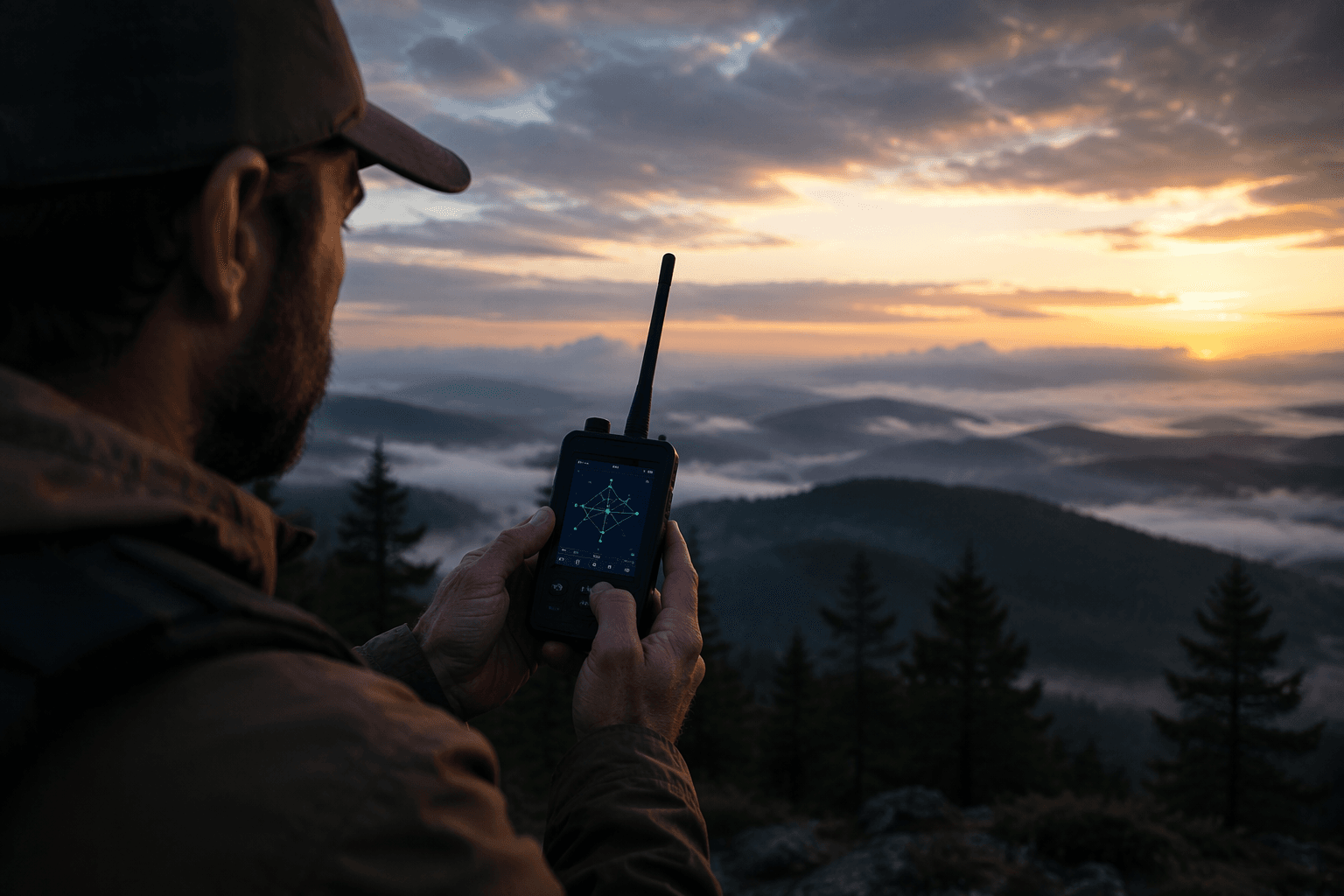
Meshtastic test shows LoRa nodes can keep emergency teams connected
Three-node LoRa tests show Meshtastic can keep emergency traffic moving off-grid, with encrypted messaging, GPS tracking, and internet bridging when links return.
What the test proved
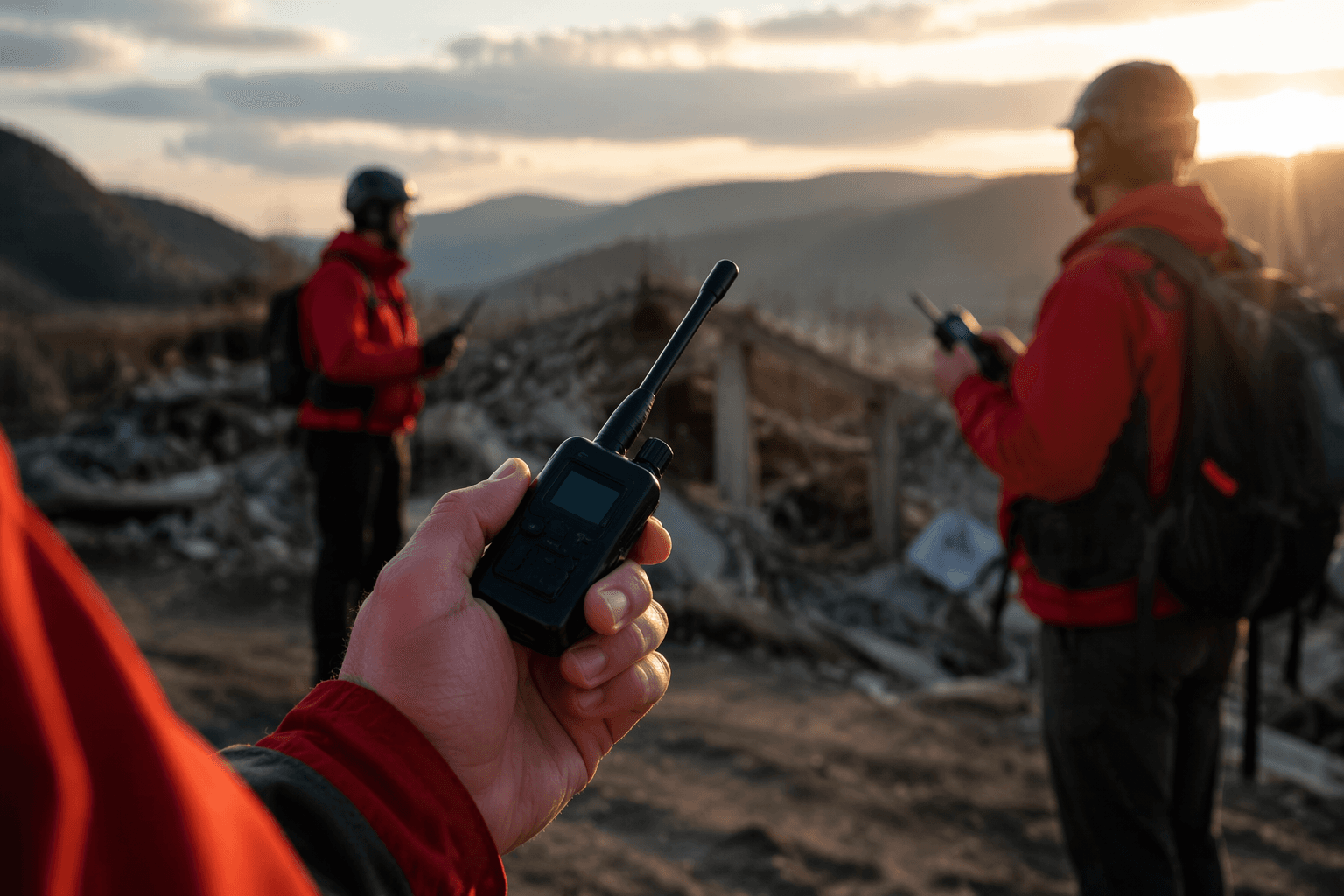
Meshtastic is starting to look less like a clever side project and more like a credible backup channel when normal communications collapse. This test matters because it did not treat the mesh as a novelty, it treated it as a working emergency layer, and it showed that three LoRa nodes could pass traffic between different locations through both radio links and the Meshtastic app.
The strongest takeaway is operational: the system can move text without depending on cell towers, Wi-Fi, or internet access, and it can do so while still giving teams a familiar interface for messaging, mapping, and coordination. The thinner part of the evidence is scale. This was a practical proof of concept, not a citywide stress test, so it tells you Meshtastic can work in the field, but not that every disaster scenario will look the same.
Why this matters when the network is gone
The study is built around a real emergency problem: natural events can damage infrastructure or overload networks so badly that responders lose their normal comms path just when they need it most. In that setting, keeping emergency teams connected to one another and to crisis-management centers is not a hobbyist luxury, it is an operational requirement.
That is where Meshtastic’s appeal gets serious. The paper frames it as a communications layer for disaster response, search and rescue, and other extraordinary situations where ordinary systems are unavailable or overloaded. In the authors’ context, the setup also avoided special licensing, which makes it easier to imagine rapid deployment when time is tight and the situation is already messy. Even so, licensing is not something to assume blindly, because rules differ by jurisdiction and radio service.
How the mesh actually works
Meshtastic is built on LoRa, the long-range radio technology that lets small devices trade messages over several kilometers. The project’s core idea is simple but powerful: radios rebroadcast packets they receive, so each node can extend reach for the next one and turn a handful of devices into a mesh.
That design is why the system is useful in field conditions. A phone is optional, not mandatory, because nodes can work stand-alone or be controlled through Bluetooth, Wi-Fi, Ethernet, or serial connections. GPS data can come from the radio itself or from a paired phone, and position sharing is optional rather than forced. The messaging layer can also be protected with optional AES-256 encryption, which matters when you are carrying anything more sensitive than casual check-ins.
The hardware setup behind the study
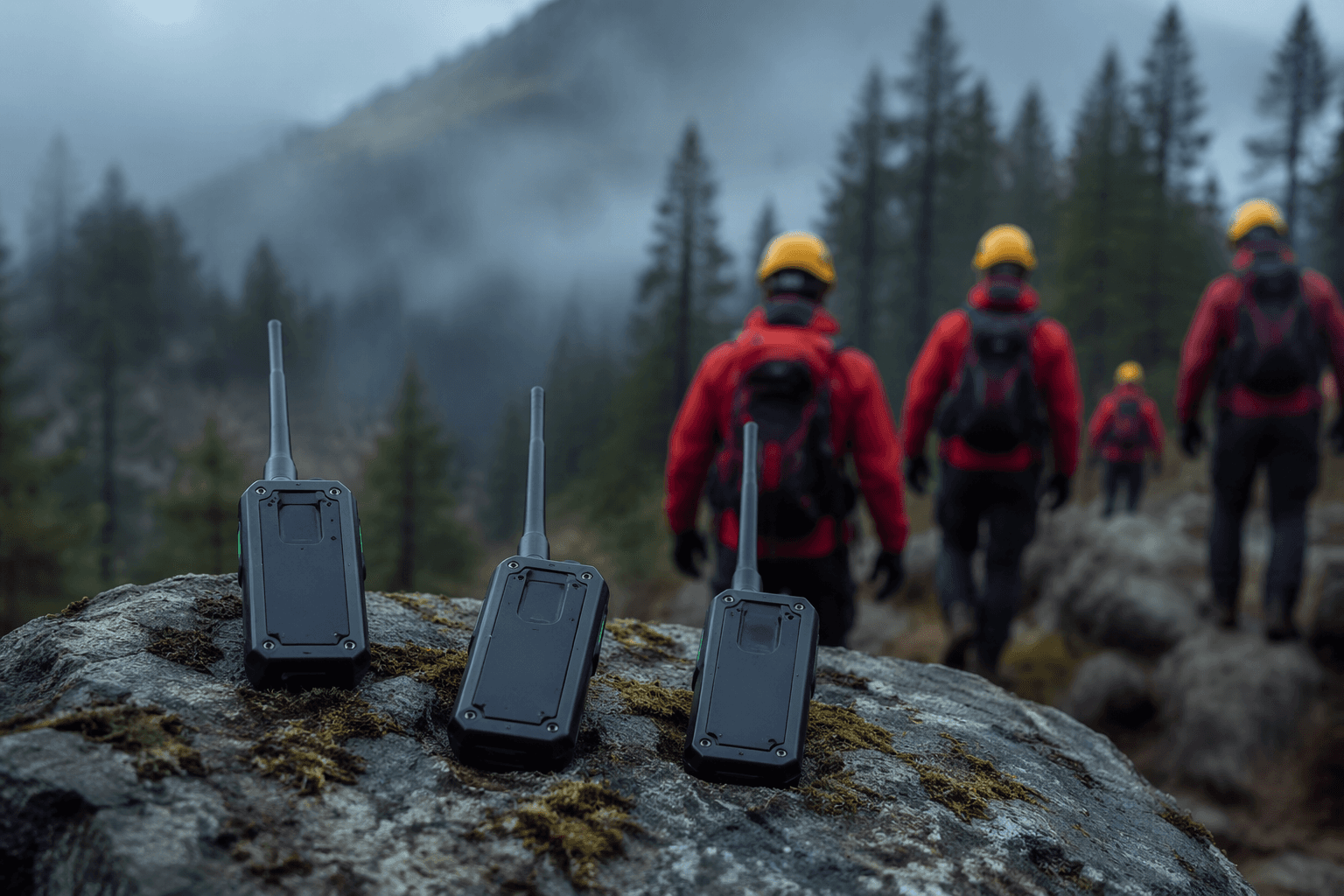
The paper’s testbed used Meshtastic nodes operating in the 433 MHz and 868 MHz bands, and the authors built three nodes for communication from different locations. That detail is important because it shows the system functioning as a distributed field network rather than a single device talking to a nearby phone.
It also shows Meshtastic’s hybrid character in a way that hobby demos often miss. The radios create the off-grid path, but the app becomes the control surface for message exchange and coordination. Add the built-in Wi-Fi hardware into the mix, and the same node can become a bridge into internet infrastructure when that infrastructure is available again.
Where Meshtastic already fits into real workflows
This is not just a chat tool anymore. Meshtastic’s official integrations include CalTopo and SARTopo for live tracking, an ATAK plugin for sending Cursor-on-Target data, and MQTT bridging for connecting a local mesh to internet services. That makes the platform feel less like a radio experiment and more like a situational-awareness stack.
The MQTT side is especially telling. When a device is connected to the internet via Wi-Fi or Ethernet, packets can be forwarded to an MQTT server and pushed into tools such as Home Assistant, Node-RED, and Adafruit IO. That means a local mesh can live in two worlds at once: off-grid when it has to be, and plugged into broader systems when it can be.
What the broader project says about maturity
Meshtastic’s public face is not the face of a tiny private prototype. The project describes itself as community-driven and open source, and its homepage lists 100-plus community-supported devices and more than 1,800 code contributors. It was created by Kevin Hester in early 2020 as a response to communication problems where reliable internet access was not available.
That history matters because it explains why the platform keeps showing up in serious planning conversations. What started as a maker-friendly radio mesh has grown into a shared toolset with documentation, integrations, and enough community weight to be taken seriously by people thinking about resilience. The paper fits that arc cleanly, because it treats Meshtastic as an applied communications layer rather than a gimmick.
Deployment and legal caution
For operators, the big lesson is not just that Meshtastic works, but that band choice, encryption, and regulatory context need to be part of the deployment plan. The authors’ no-special-licensing framing aligns with the broader reality that Meshtastic often operates in unlicensed ISM-style bands, but the details still depend on where you are and how you are using it.
In the United States, the Federal Communications Commission’s Part 15 rules cover intentional radiators that can operate without an individual license, while amateur radio rules are separate and can restrict encryption. That is not a footnote, it is part of the mission profile. If the goal is emergency messaging with private traffic, you need to know which rules apply before the mesh is doing the work in the field.
The takeaway for serious backup comms
Meshtastic is not being sold here as a miracle replacement for every broken network. What this test shows, in concrete terms, is more useful than that: a small LoRa mesh can keep emergency teams talking, can carry position data, can support encrypted or open text, and can bridge back into mapping and internet services when conditions allow.
That is the real shift. When the network is clogged or gone, the point is not that Meshtastic is clever. The point is that a few well-placed nodes can still move a message, a location, and a handoff, which is exactly what backup communications are supposed to do.
This article was produced by Prism’s automated news system from verified source data, official records, and press releases, then run through automated quality and moderation checks before publishing. The system is built and supervised by the people who set the standards it runs under. Read our full AI policy.
Know something we missed? Have a correction or additional information?
Submit a Tip