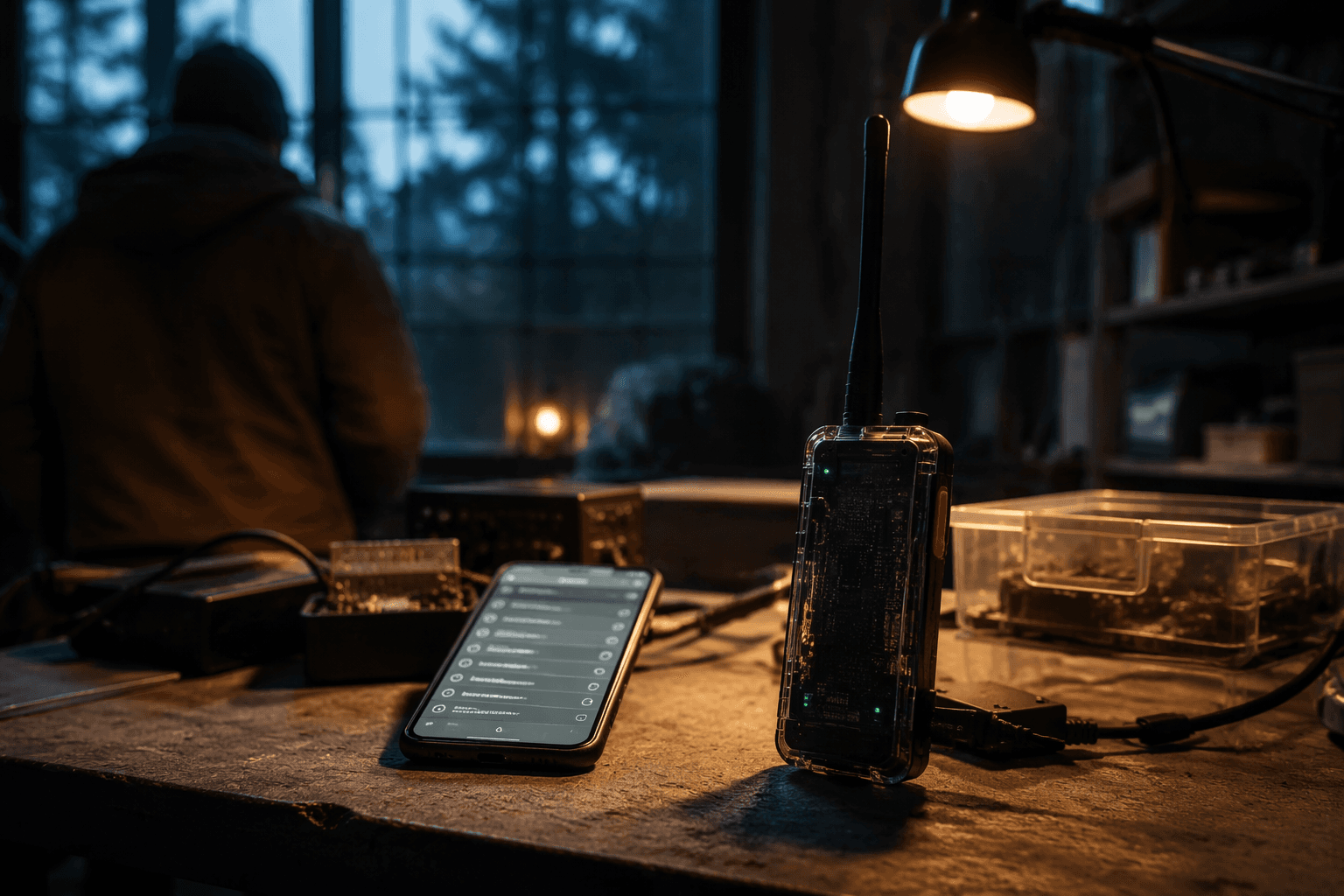
Meshtastic turns unused LoRa mining hardware into field nodes
Dusty Helium miners can become cheap Meshtastic nodes, but only if the radio, firmware, and power hardware line up. The payoff is lower entry cost, not zero effort.
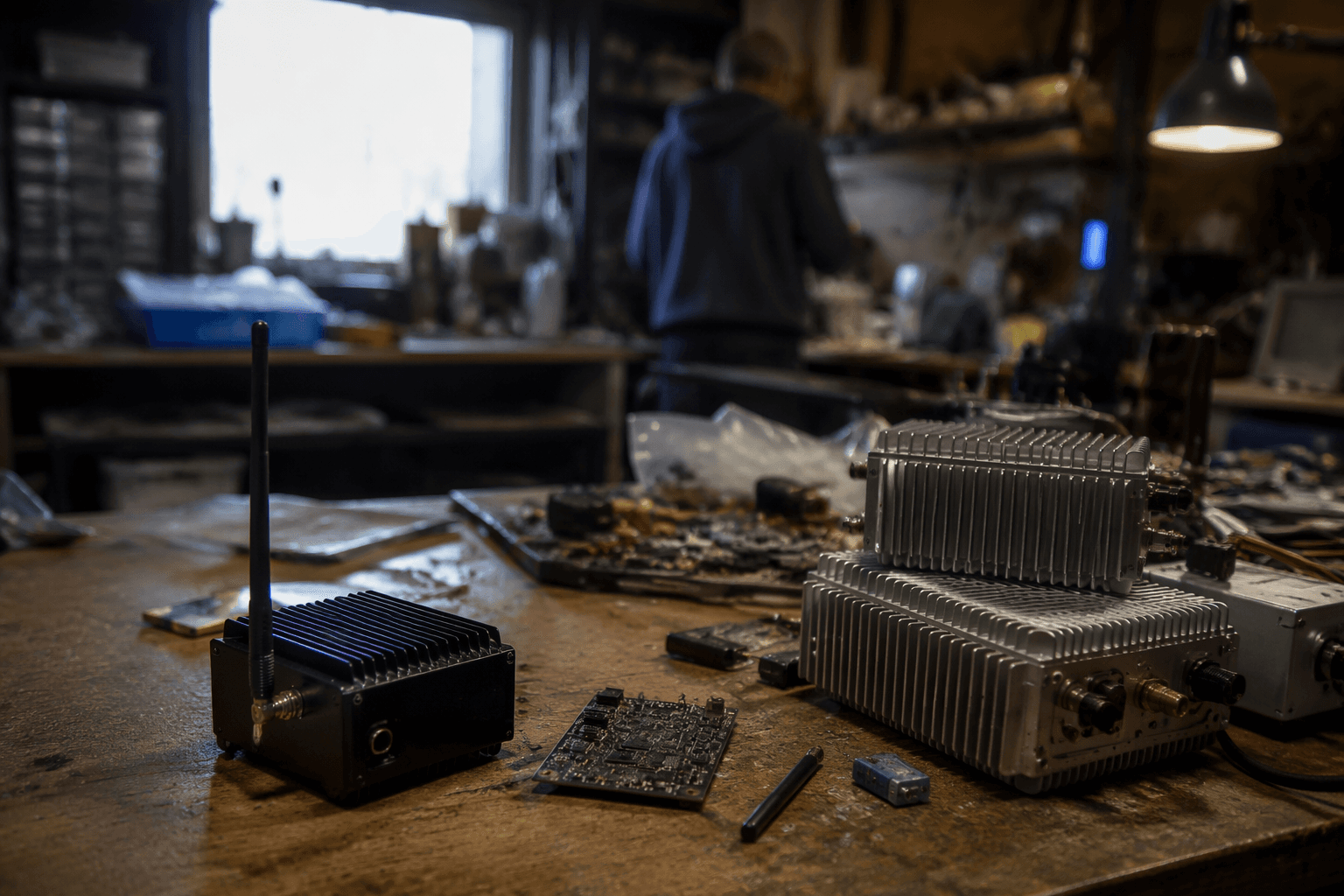
A Helium miner with the right LoRa radio, antenna connector, and a power setup built for continuous operation can slide into Meshtastic as a router, repeater, or experimental field node. The hardware still has to line up with Meshtastic’s supported ecosystem, or the project becomes a teardown instead of a shortcut.
Why old miners fit Meshtastic
In “A Major Solution to a Miner Problem,” Device Firmware Development Lead TheBentern says the network crypto mining landscape has evolved, leaving thousands of LoRa-based mining devices unused in closets and drawers around the world. Meshtastic is built around inexpensive LoRa radios as a long-range off-grid communication platform.
Meshtastic is not locked to one board family. You can connect a phone or computer to a radio via Bluetooth, WiFi, or USB, then communicate across vast distances without internet or cell service. The listed boards will all run Meshtastic and mesh with each other, and RAK-based kits are community favorites. If a miner’s internals are close enough to that ecosystem, it has a real path into the mesh.
What usually carries over from a miner
The reason these boxes get attention is not nostalgia, it is parts reuse. Many LoRa mining devices were built with the same ingredients Meshtastic users want: a LoRa radio, an antenna connector, a power supply meant for continuous operation, and sometimes GPS, a display, or an enclosure that can survive being placed outdoors. That makes them especially interesting for static mesh roles where you care more about uptime and placement than pocket size.
The modular designs are the strongest candidates. On the RAKwireless forum, a user identified the Helium Miner V2, the RAK7248, as a base model with a Raspberry Pi 4 and a RAK2287 PiHAT, which is exactly the sort of setup that looks salvageable to a hobbyist. When a miner is already built around Pi-class hardware and a separate radio module, the jump to Meshtastic is far less intimidating than with a fully integrated consumer gadget.
The community has already been treating this as a real use case
On Reddit, a user posting on 2024-08-06 asked, “Is there a way to convert a helium miner to a meshtastic device?” and said they had a RAK Wireless-based Helium miner collecting dust and wanted to do something cool with it.
A Facebook group post asked whether an old Blackspot Helium miner could be repurposed for Meshtastic. Another community thread covered turning a $60 Helium miner into a Meshpoint and monitoring the entire Meshtastic mesh on all 8 channels at once. Outside the Meshtastic world, a YouTube video published on 2025-06-30 showed a Syncrobit helium miner being repurposed into a Linux mini server.
How to judge whether yours is worth repurposing
The first question is compatibility, not price. A cheap miner that cannot be flashed cleanly, does not match Meshtastic’s radio support, or lacks the right antenna and region settings can eat more time than it saves money. If you need to add adapters, replace antennas, or fight firmware, the bargain starts to disappear fast.
Use this as a quick filter before you commit:
- Check the radio module first, not the enclosure.
- Confirm that the firmware path is realistic for the exact board you own.
- Make sure the antenna connector and region settings fit your intended deployment.
- Decide whether you need Bluetooth, WiFi, or USB access for setup and maintenance.
- Think about placement, because many repurposed miners make more sense as stationary routers or repeaters than as handheld nodes.
A repurposed miner can be a solid mesh asset if you want a cheap always-on node on a shelf, in a garage, or at a remote site with stable power. It is less attractive if you want a compact, battery-friendly device you can clip to a pack and forget about.
When a purpose-built Meshtastic board still wins
A repurposed miner is the budget play, not the universal answer. Purpose-built Meshtastic hardware, especially RAK-based kits, is usually the cleaner choice when you want a known-good path, smaller size, and less guesswork. Meshtastic’s supported hardware page lists boards designed to run together, so you are not giving up network compatibility by buying a board built for the job.
If you already have a suitable Helium-era box, especially one built around a RAK radio or Pi-based internals, the cost to enter Meshtastic can be very low. If you have to force the fit, the old miner stops being a shortcut and turns into a parts pile.
This article was produced by Prism’s automated news system from verified source data, official records, and press releases, then run through automated quality and moderation checks before publishing. The system is built and supervised by the people who set the standards it runs under. Read our full AI policy.
Did this article answer your question?