Meshtasticd brings native Linux nodes and radio simulation to desktop systems
Meshtasticd turns a Linux box into a real node or a software-only radio lab, so you can prototype mesh workflows before you buy hardware.
Why this changes the Meshtastic workflow
The useful part of meshtasticd is not that it is clever. It is that it saves you from guessing wrong with hardware. If you want to test message flows, routing, integrations, or UI behavior, a Linux machine can now stand in as a node instead of forcing you to burn time on a handheld radio for every experiment. That lowers the cost of every bad idea and makes it much easier to build repeatable setups for developers, gateway builders, and tinkerers.
Meshtastic has always been about practical constraints: an open source, off-grid, decentralized mesh network built for affordable, low-power devices, with communication over LoRa and no dependence on internet or cellular service. The Linux-native path does not replace that model. It gives you a way to work inside it before you commit to carrying it into the field.
How meshtasticd fits into the stack
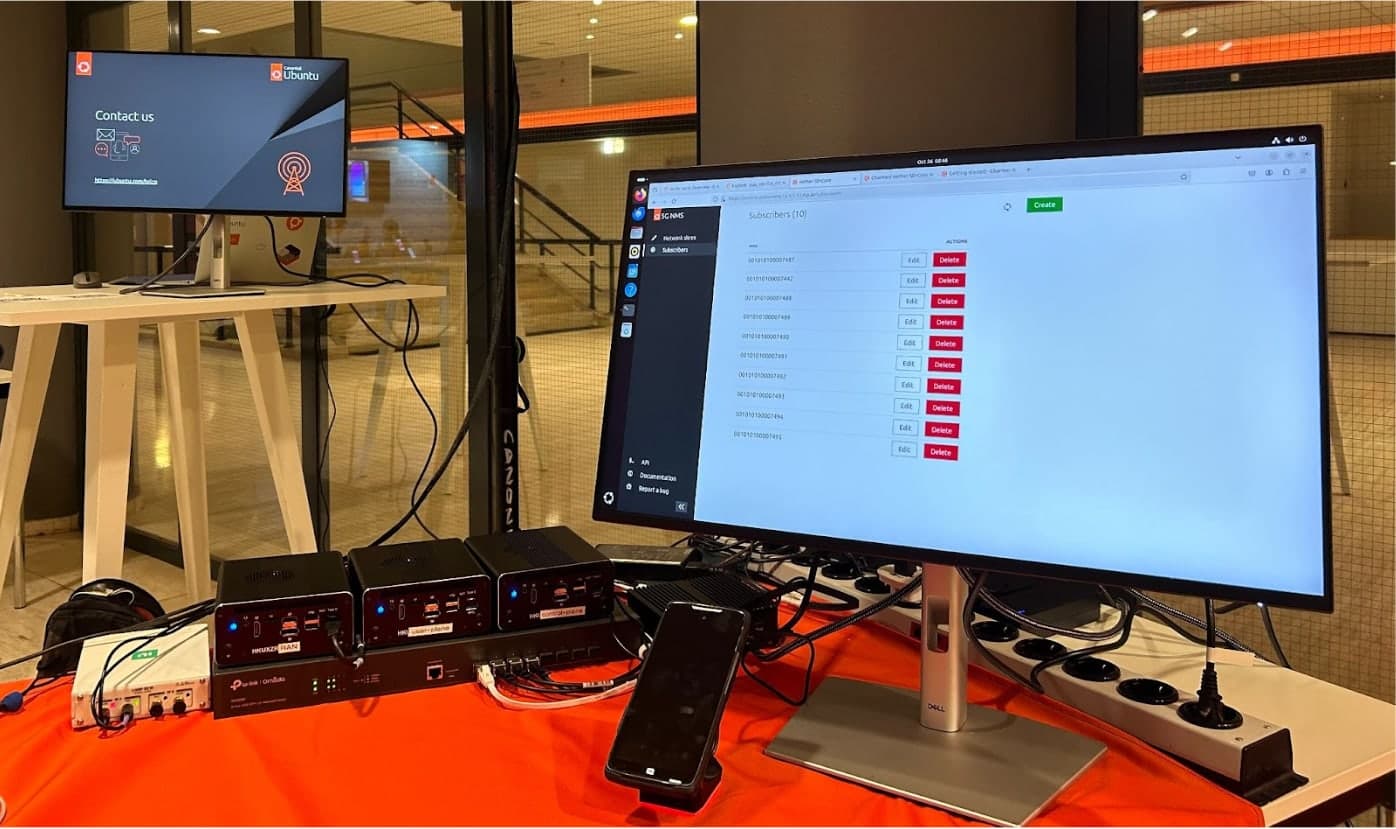
The project now frames meshtasticd as the native binary for running Meshtastic on machines with SPI or USB radios, and it is supported on Linux and macOS. In plain terms, that means a computer can become a Meshtastic node that sends and receives messages, shares location data, and talks to other Meshtastic devices over LoRa or UDP.
The installation docs also make the implementation detail clear: meshtasticd uses Portduino to run Meshtastic node firmware on Linux and macOS systems. Portduino itself is meant to port the Arduino API to Linux and other desktop operating systems so Arduino code can run as a standard user-space application on Raspberry Pi and desktops. That is the foundation that makes the whole thing feel less like a special-purpose appliance and more like something you can fold into a normal Linux workflow.
Software-only radio work is now real, not theoretical
The part that changes experimentation most is the firmware simulation path. Meshtastic docs say firmware from 1.3.42 onward can simulate the LoRa chip by sending and receiving Meshtastic packets over a local TCP port. That means multiple instances can talk to each other as if they were separate radios, even though everything is happening on one machine or one local network.
For anyone building tools around Meshtastic, that is a big deal. You can prototype packet handling, exercise client behavior, and test how software reacts when more than one node is present without waiting for a pile of hardware to arrive. It also makes it easier to set up a lab where a configuration change can be tried, torn down, and tried again without reflashing a physical device every time.
What the interactive simulator actually gives you
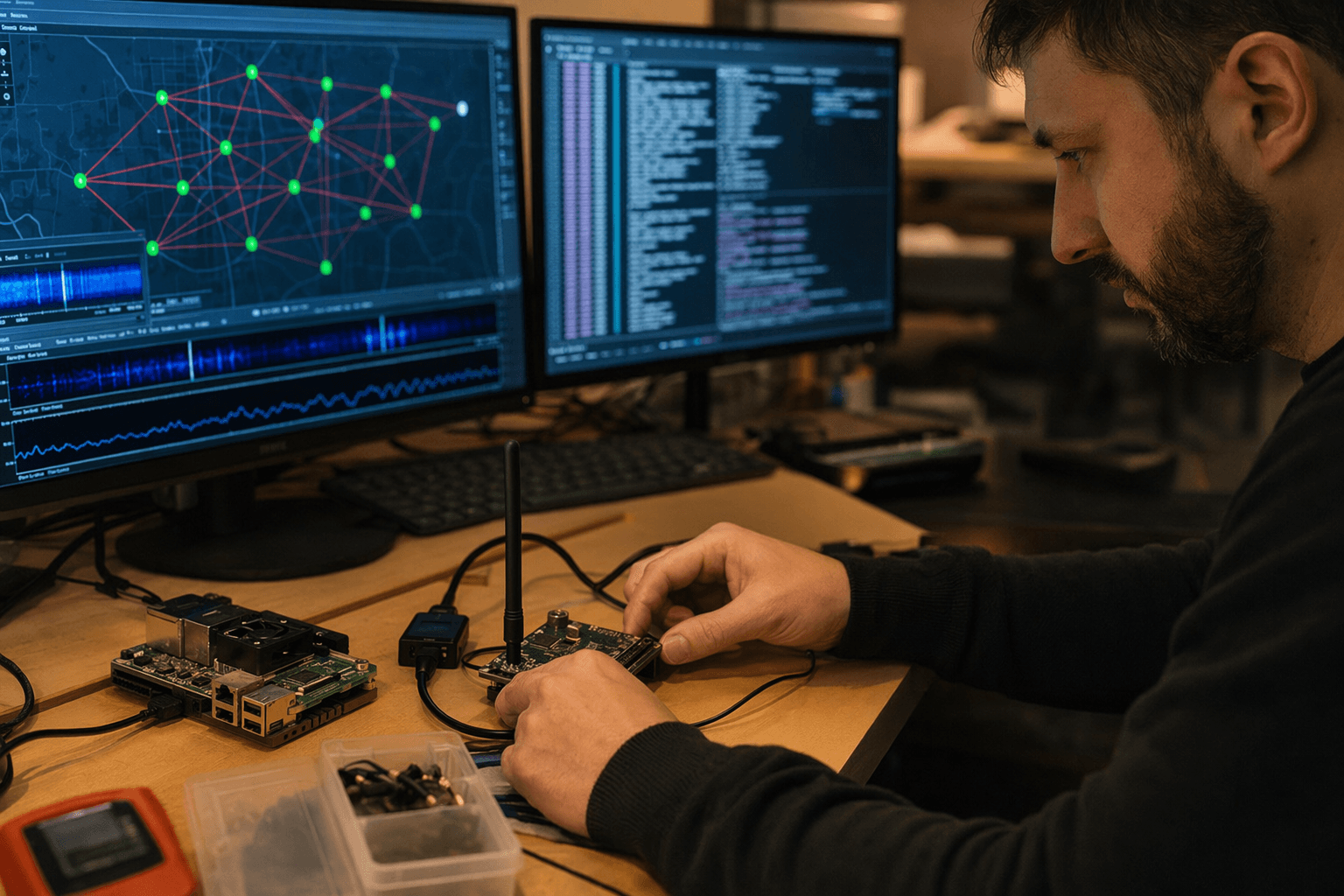
Meshtastic’s interactive simulator leans into that same idea. It uses MeshtasticD to run multiple device instances and has them communicate over TCP while simulating LoRa behavior. The simulator also forwards packets based on simulated positions and a pathloss model, which makes it useful for experimenting with topology, distance effects, and how a mesh behaves when nodes move.
That is exactly the kind of setup that helps when you are trying to understand what your code or integration will do before it ever sees a trail, a ridge line, or a field deployment. You can build a repeatable test harness instead of relying on one-off live tests. The simulator docs are also honest about one major limitation: packet collisions are not yet simulated. That matters, because it means software-only testing can tell you a lot about logic and routing, but it will not fully reproduce the messiness of a crowded RF environment.
Where the Linux-native path is already stretching beyond backend testing
The June 21, 2025 Meshtastic 2.7 preview showed that Linux-native support is not frozen in “headless daemon” territory. The release added Linux-native joystick support and the ability to switch between BaseUI and Meshtastic UI on supported TFT screens. That is a strong signal that the Linux side is growing into a broader device experience, not just a backend convenience.
That matters because it widens the kinds of setups you can actually build. A Linux box is no longer only a lab rig or a gateway host. It can also be part of an interface-heavy local build, with input hardware and display options that make sense for bench testing or a more permanent operator station.
What this means for builders, not just users
The practical win here is reproducibility. A Linux host can act as a software-only mesh environment, a real-radio node, or a backbone component alongside other services. That makes it easier to prototype integrations, test packet flows, and build automation without treating every idea like it deserves a dedicated handheld radio.
It also changes the buying decision. Instead of assuming you need hardware first, you can start with a desktop or Raspberry Pi, simulate a small mesh, and prove whether the workflow is worth taking outside the lab. When you do move to physical radios, you are not starting from zero. You are carrying forward tested behavior, known assumptions, and fewer surprises.
The bottom line
Meshtasticd makes Meshtastic feel less like a niche gadget stack and more like a system you can develop against seriously. The combination of Portduino, Linux-native node firmware, TCP-based LoRa simulation, and the MeshtasticD simulator gives you a real way to prototype before you buy or deploy hardware. That is the shift here: the barrier to entry is lower, but the bar for what you can validate has gone up.
This article was produced by Prism’s automated news system from verified source data, official records, and press releases, then run through automated quality and moderation checks before publishing. The system is built and supervised by the people who set the standards it runs under. Read our full AI policy.
Know something we missed? Have a correction or additional information?
Submit a Tip