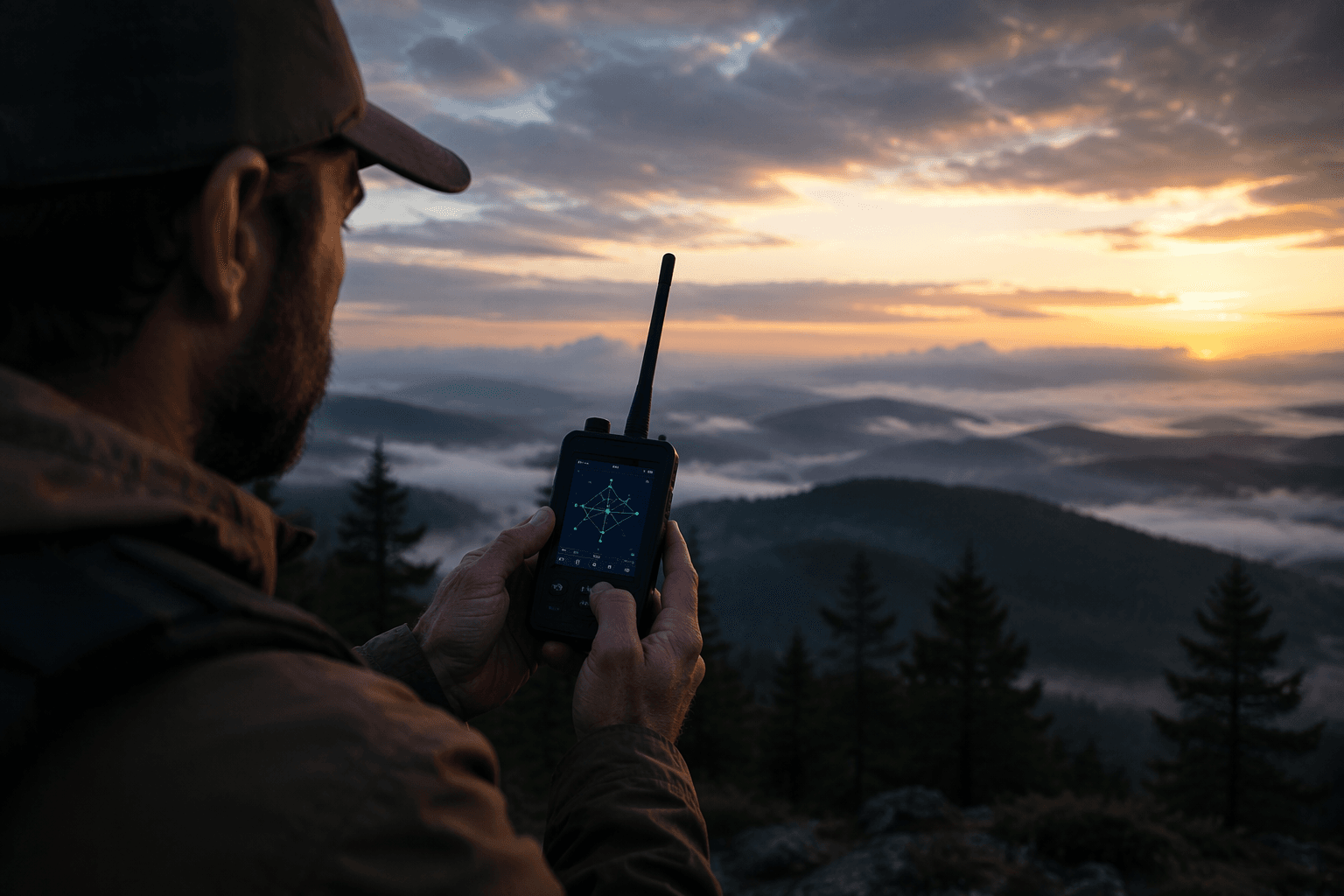
Monrovia meetup turns Meshtastic into a hands-on field test
Monrovia’s Meshtastic meetup doubled as a live suburban field test, with node setup, short messages, and off-grid coordination all happening on the same low-pressure table.
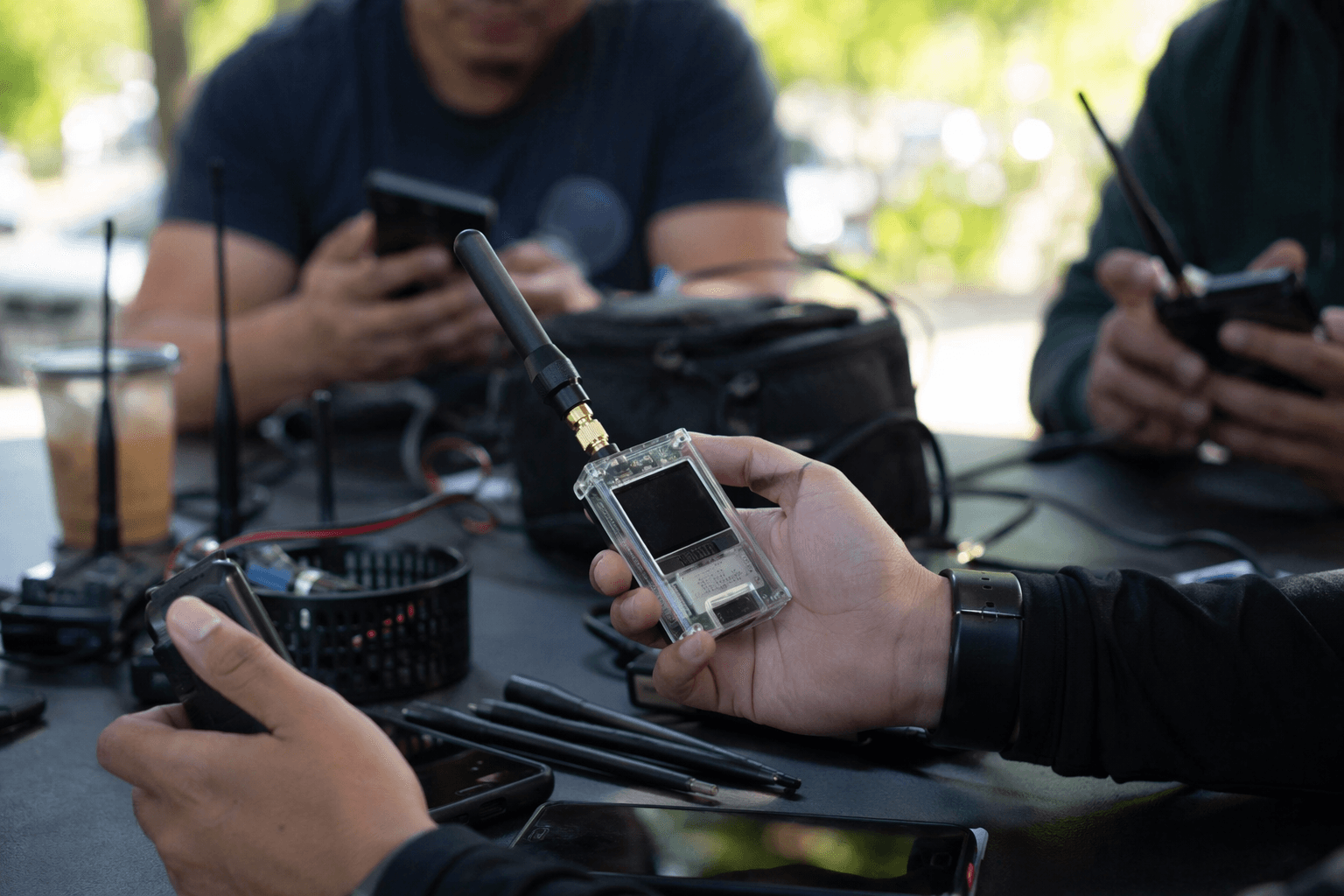
A small Monrovia meetup turned Meshtastic from a screen-based concept into a hands-on field test, with organizer Nathan R. asking people to show up ready to learn the basics, watch a live demo and try device setup in person. The gathering took place Saturday, May 30, 2026, at 10:30 a.m. in Monrovia, California, was donation-based and recommended $15, and kept its exact address private to stay intimate and manageable. Nathan framed it plainly in the event listing: “Hey everyone, I'm Nathan and I'm organizing small local meet-ups to explore off grid text messaging through meshtastic.”
That format was the point. Attendees were asked to bring a Meshtastic device if they had one, plus water, a foldable chair and a notebook, giving the meetup the feel of a field lab rather than a polished demo night. For newcomers, the appeal was immediate: Meshtastic is built as an open-source, off-grid, decentralized mesh network for affordable, low-power devices, using inexpensive LoRa radios to keep text communication moving when regular infrastructure is unavailable or unreliable.
The meetup’s value was in what could be tested live. Meshtastic says messages sent from the companion app are relayed to the radio over Bluetooth, Wi-Fi, Ethernet or serial, then broadcast across the mesh and retransmitted up to three times if no confirmation comes back. Its FAQ says the Android app works over Bluetooth, Wi-Fi or USB OTG, requires Android 8.0 or later, and shows message-status indicators, including an acknowledgment check mark when another node has received a message. That makes a suburban gathering like Monrovia useful in a very practical way: it can reveal whether people can get a node paired quickly, whether messages land cleanly across a small neighborhood-scale mesh, and whether the hardware behaves the way a new user expects once it leaves the comfort of a desk.
Nathan’s recommended entry path also pointed to the hobby’s growing hardware ecosystem. The suggested devices under $60 included the Wio Tracker L1 Pro, Seeed Tracker T1000-E, Wishmesh Tag and the Lilygo T-Deck Pro. Seeed Studio describes the Wio Tracker L1 Pro as a low-power Meshtastic node with LoRa, an nRF52840 chip, GPS, OLED display, rechargeable battery and a ready-to-deploy enclosure, which fits the meetup’s emphasis on practical, carry-it-out-the-door use.
The Monrovia event also landed inside a broader Southern California push. Meshtastic says its local-groups page exists for organizers building regional networks, and SoCal Mesh describes itself as building an open-source LoRa communications network in Southern California for area-wide messaging. For Meshtastic users, that makes the real question less about whether the software can work in theory and more about how well it survives a suburban block, a folding chair and a few first-time operators trying to make a mesh talk back.
This article was produced by Prism’s automated news system from verified source data, official records, and press releases, then run through automated quality and moderation checks before publishing. The system is built and supervised by the people who set the standards it runs under. Read our full AI policy.
Know something we missed? Have a correction or additional information?
Submit a Tip