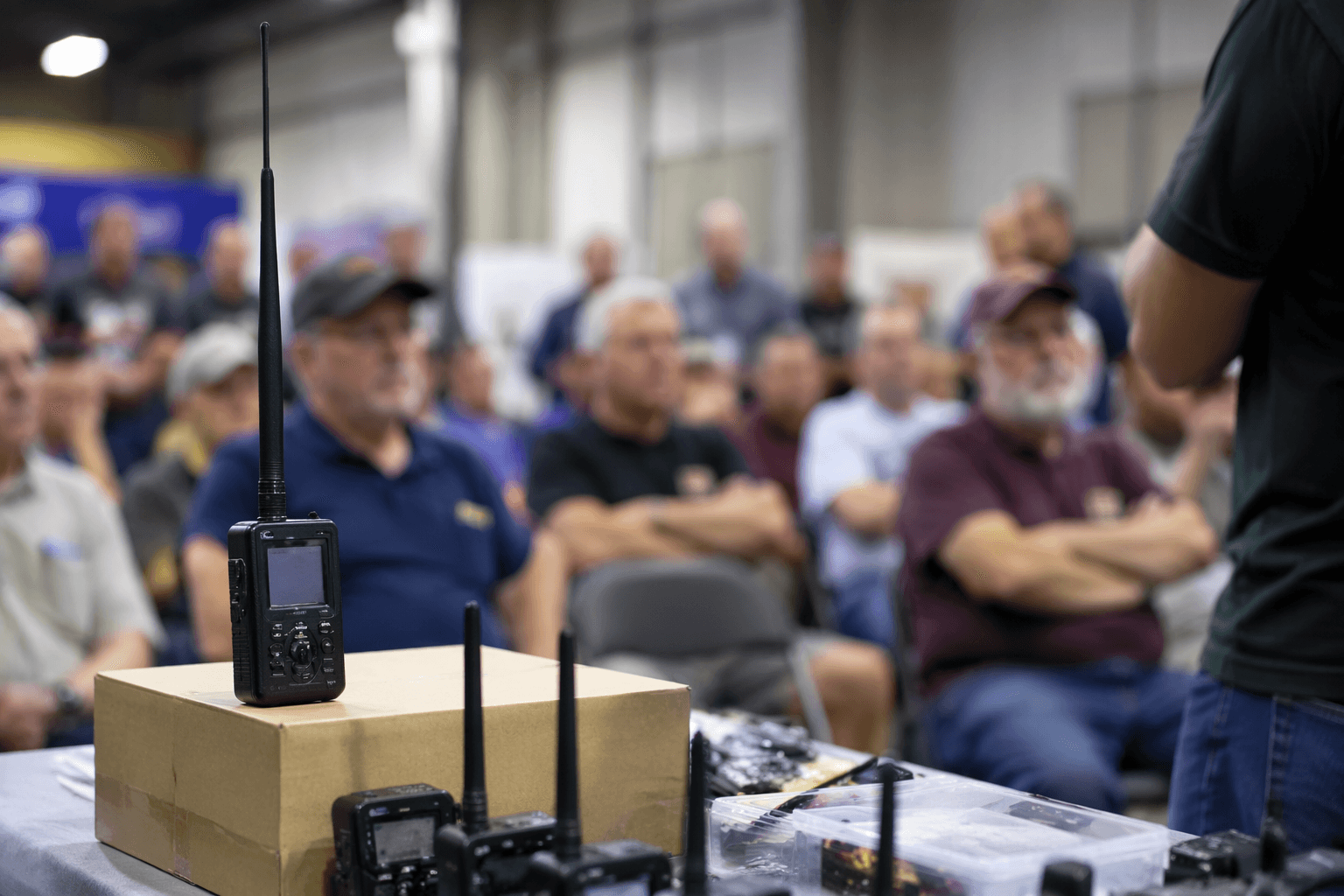
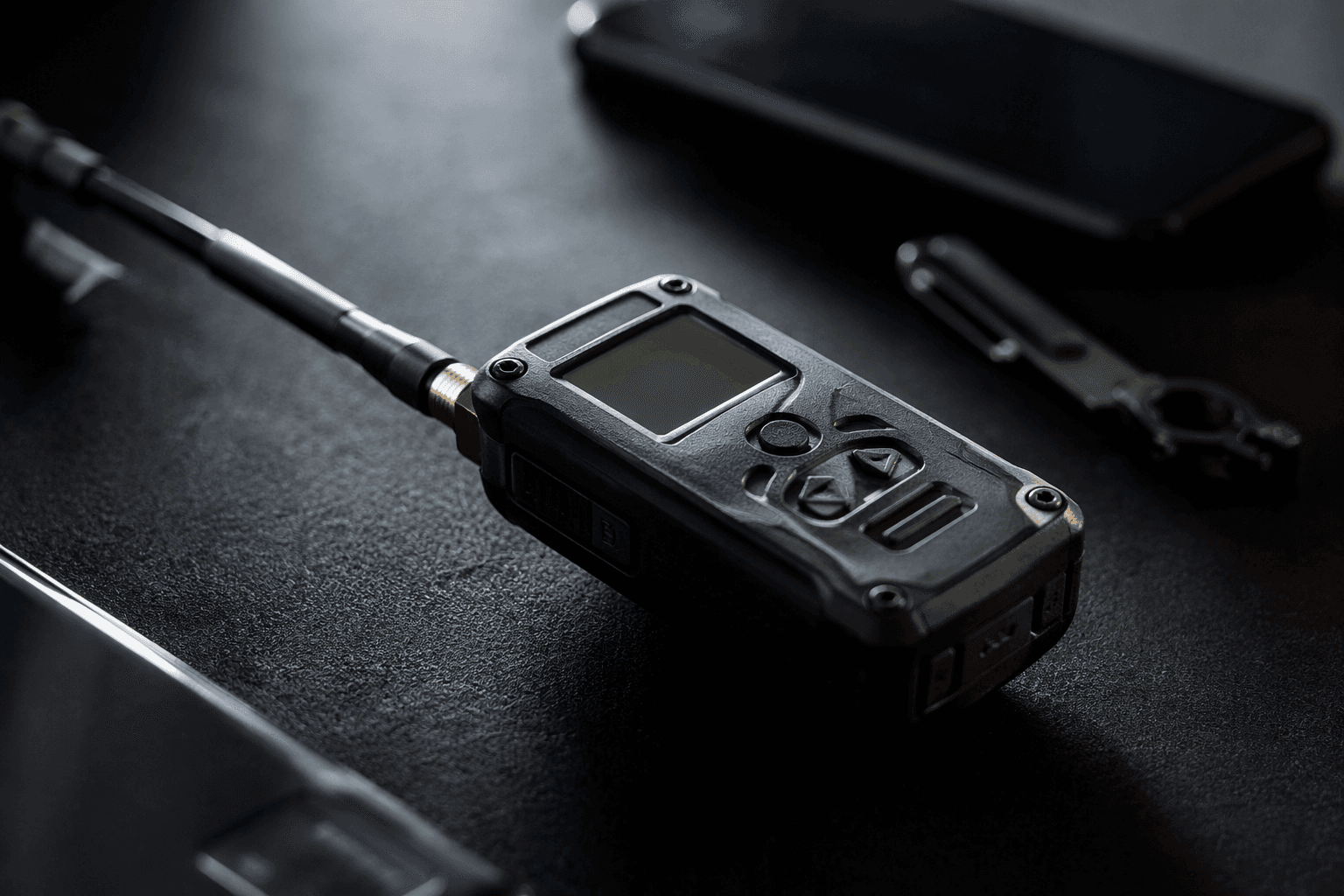
Muzi Works launches SuperBase Kit, a handheld Meshtastic node
Muzi Works’ $99 SuperBase Kit ships with Meshtastic preloaded, plus GNSS, a compass and OLED, so a phone can stay in your pocket.
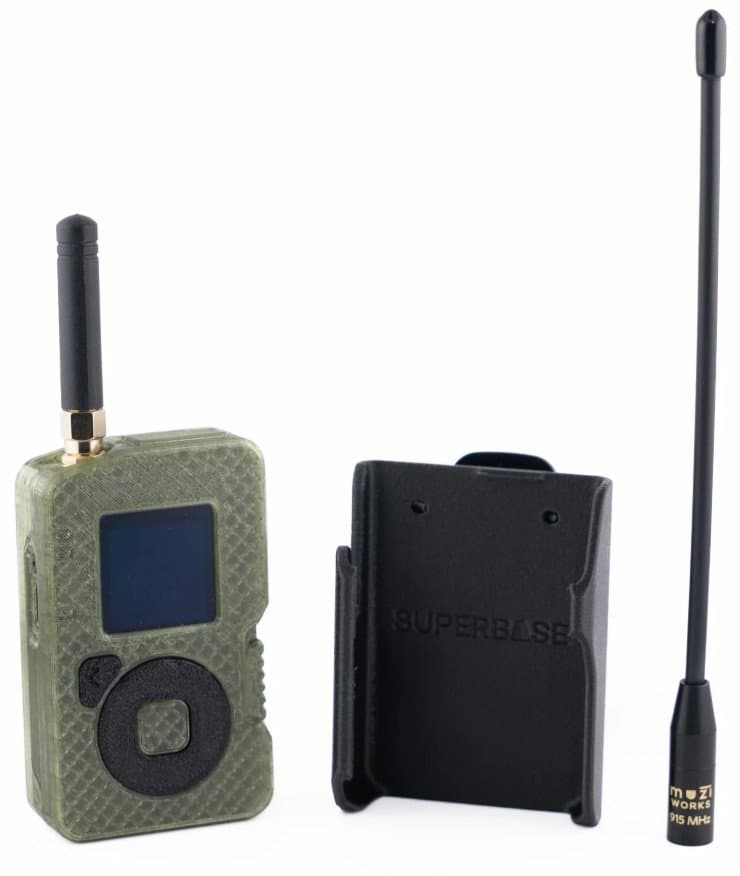
Muzi Works has turned its Base System into something much closer to a grab-and-go field radio than a bench build. The $99 SuperBase Kit ships with Meshtastic already installed, GNSS positioning, a digital compass, a square OLED display and a navigation pad, which means a hiker, SAR volunteer or portable-node operator can power it on and work the mesh without treating a phone as the main interface.
That is the real change here. Meshtastic is built as an open-source, off-grid, decentralized mesh network on low-power hardware, and its radios can talk to a phone or computer over Bluetooth, Wi-Fi or USB, but they do not need one. SuperBase leans into that idea by packaging the pieces people usually bolt together later: Nordic Semiconductor’s nRF52840, a Semtech SX1262 transceiver, GPS and BDS reception, a real-time clock, a buzzer, expanded flash storage and support for 915 MHz or 868 MHz depending on region.
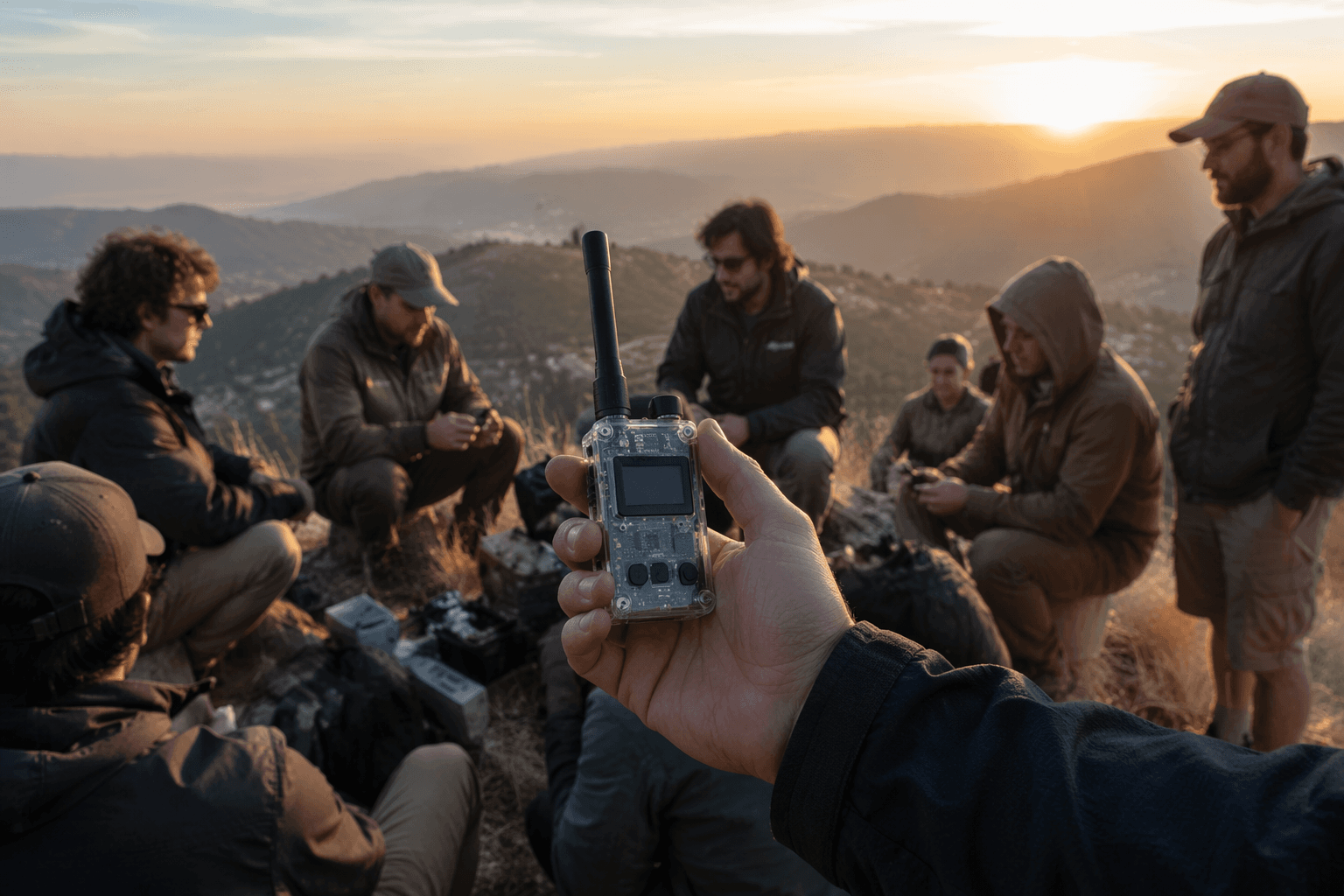
Muzi Works says the unit weighs about 80 grams with the stubby antenna attached and uses a 1500mAh battery rated for up to two days with GPS enabled, although runtime will vary with settings and traffic. The enclosure is translucent PETG, and the box includes a region-specific whip antenna, a holster and a quick-start guide. On paper, that makes SuperBase look less like a project and more like a finished handheld you can throw into a pack or clip to a belt.
The company’s pitch is backed by a broader product family. Muzi Works says the Base System is the heart of its Meshtastic radio line and that it has built thousands of devices to learn what works in the field. Its Super IO add-on already turns a Base Uno or Base Duo into a portable standalone node by adding a 1.12-inch 128x128 OLED, GPS with ceramic antenna, a Seiko RTC, a 9-axis IMU with compass, navigation buttons and a buzzer. Meshtastic’s own display settings include options like Always Point North and Compass Orientation, so the sensor stack has a clear software use.

For anyone already assembling DIY Meshtastic hardware, the question is not whether SuperBase is clever. It is whether the convenience is enough to replace the usual stack of board, battery, case, display and cable clutter. For field use, the answer looks close to yes: SuperBase is built around the exact features that make a node easier to carry, easier to read and easier to operate when the phone stays buried.
This article was produced by Prism’s automated news system from verified source data, official records, and press releases, then run through automated quality and moderation checks before publishing. The system is built and supervised by the people who set the standards it runs under. Read our full AI policy.
Know something we missed? Have a correction or additional information?
Submit a Tip