New Meshtastic project turns mesh networks into nightly bulletin boards
A GitHub project compressed Meshtastic into a nightly bulletin, sending one 200-byte summary instead of clogging the channel with chatter.
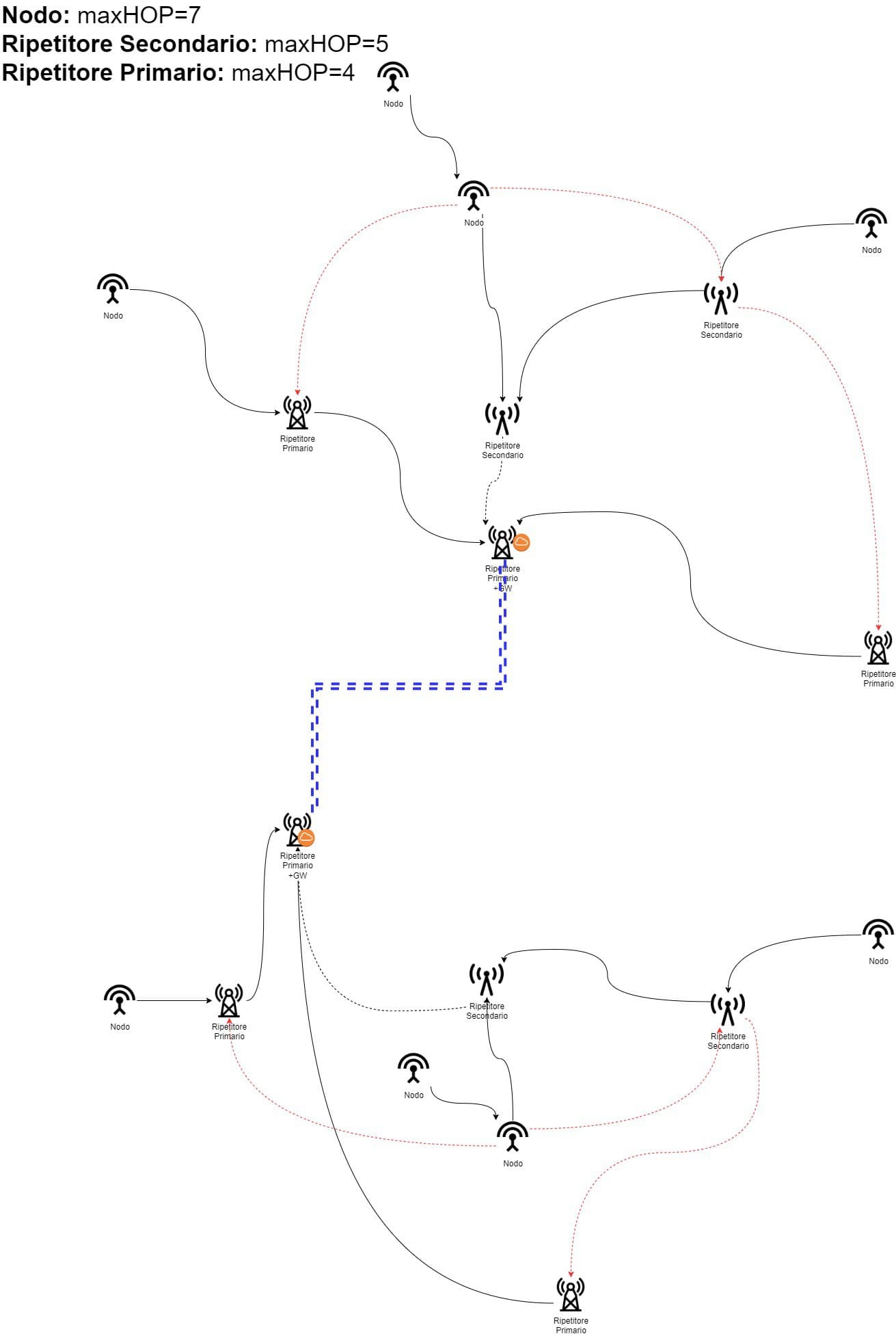
The smartest part of Meshtastic is not the chat. It is the way a tiny network can become useful infrastructure when somebody stops trying to make it talk like a phone. A new community project, rancur/forekast-meshtastic-goodnight, did exactly that by taking public calendar feeds and turning them into a single nightly bulletin for the mesh.
Meshtastic, in its own words, is an open-source, off-grid, decentralized mesh network built to run on affordable, low-power devices. Its radios rebroadcast what they receive, so a message can keep moving even when the nodes are spread out. That makes it ideal for local groups that need awareness more than conversation, and this project leaned into that strength instead of fighting it. Rather than pushing a stream of live updates, it read any public ICS calendar, including Forekast, Google Calendar, or CalDAV, and posted one compact 200-byte message through MeshMonitor.
That message could be as simple as “Goodnight mesh! Tomorrow: Solar eclipse viewing party” or “Nothing scheduled.” The point was not to replace chat, but to replace noise with a routine broadcast that a neighborhood, club, campground, or preparedness group could glance at once a day. A Pi base station or mobile rig fit naturally here, because the code was designed to sit beside MeshMonitor on a more capable Linux host that anchored the network. MeshMonitor describes itself as a self-hosted, multi-protocol dashboard for Meshtastic, MeshCore, and MQTT, and its getting-started notes said the first source could be bootstrapped with MESHTASTIC_NODE_IP and MESHTASTIC_TCP_PORT.
The setup matched the use case. The repository said it could run as a single cron tick, or it could install and enable a systemd timer that fired nightly at 21:00 local time. It also left room for a DM auto-responder, so the mesh could advertise “tomorrow” in the nightly bulletin and still answer requests for another date on demand. That is where the one-way model made more sense than normal mesh conversation: on a channel that Meshtastic’s MQTT docs warn can be overloaded, one short scheduled post preserved airtime for the messages that mattered.
There was also a built-in reminder about privacy and discipline. Google Calendar’s help center says the secret iCal address is a read-only link and should be kept private, which matters when calendar feeds become part of a radio workflow. In practice, this project pointed Meshtastic toward a more durable role: not just a place where people swap packets, but a low-bandwidth bulletin board that quietly keeps a local group oriented by morning.
This article was produced by Prism’s automated news system from verified source data, official records, and press releases, then run through automated quality and moderation checks before publishing. The system is built and supervised by the people who set the standards it runs under. Read our full AI policy.
Know something we missed? Have a correction or additional information?
Submit a Tip