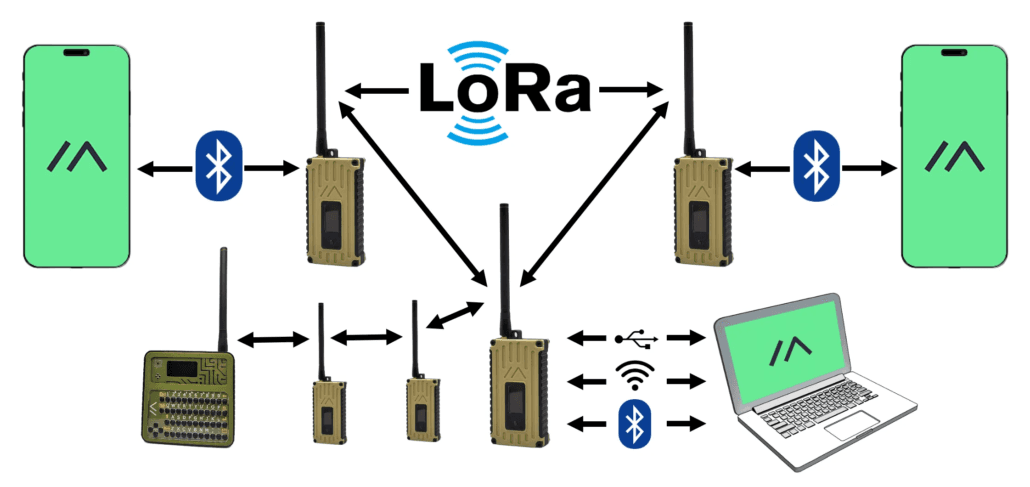
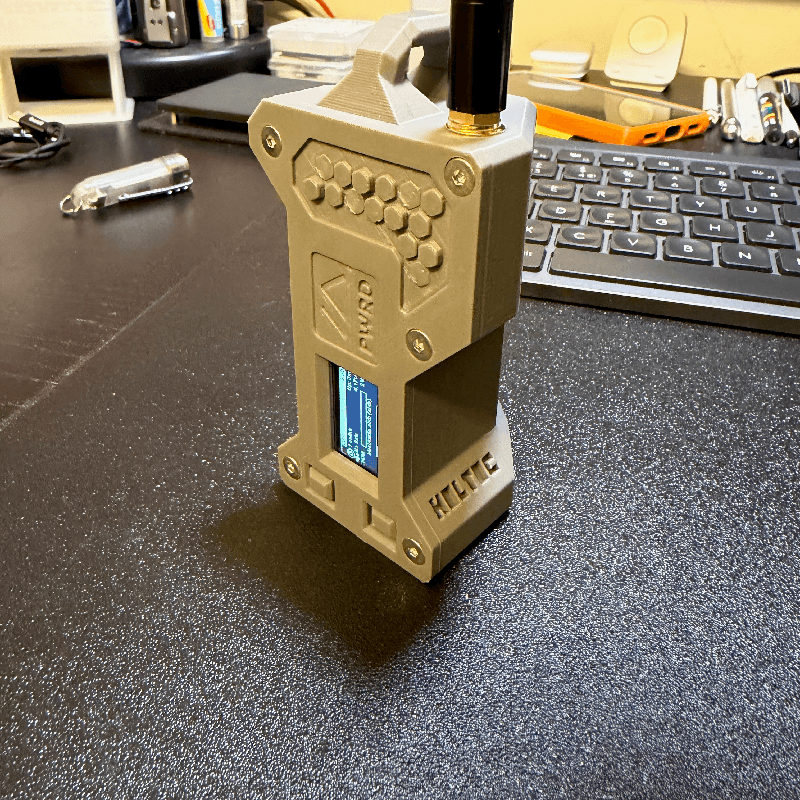
Seeed Studio compares Meshtastic and LoRaWAN for different deployments
Buy the wrong radio stack and you build the wrong network. Meshtastic is for direct, portable human messaging; LoRaWAN is for centralized telemetry at scale.
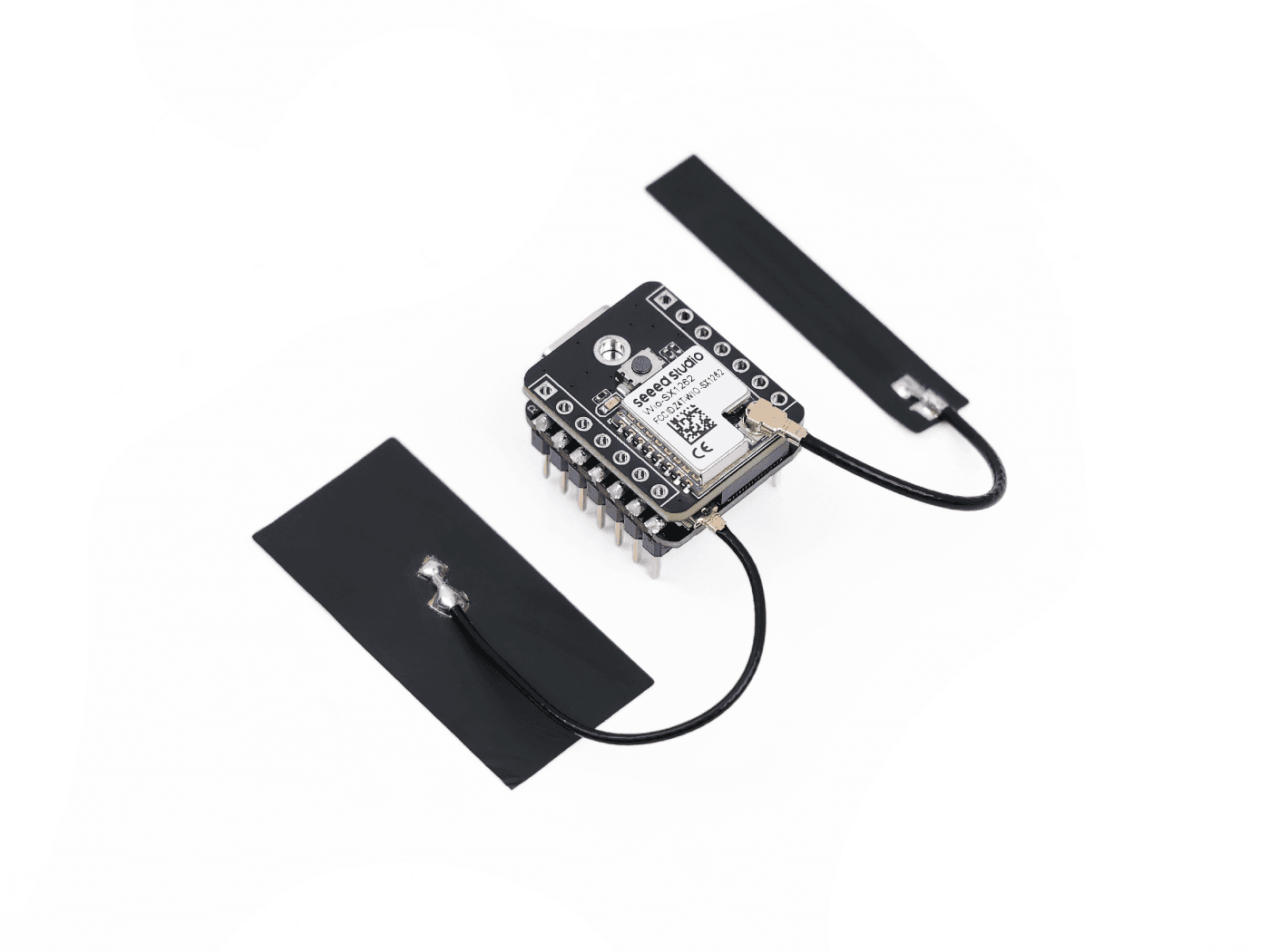
The easiest way to waste money on a LoRa project is to choose the wrong architecture for the job. Seeed Studio’s comparison draws a hard line between Meshtastic and LoRaWAN, and that line matters because these tools solve different deployment problems, not just different branding choices. One is built for direct, self-contained communication between people and nodes; the other is built for managed device fleets, gateways, and structured data collection.
Meshtastic is for communication that has to work without infrastructure
Meshtastic is the better fit when the network itself needs to travel with you. It is an open-source, decentralized mesh system, which means devices talk directly to each other without gateways, a cellular plan, or internet infrastructure. That makes it a strong match for off-grid messaging, outdoor adventures, emergency response, temporary events, and any situation where you need a portable network you can set up fast and trust to keep relaying messages.
The practical upside is simple: every node can help carry traffic and extend range. If you are building a club mesh, packing an emergency kit, organizing a festival team, or trying to keep a hiking group in touch, Meshtastic gives you immediate peer-to-peer communication first and foremost. It is not pretending to be a cloud backend or a sensor platform. It is a radio stack for people who need messages to move when the normal network is gone.
That also changes how you think about deployment. You are not provisioning a tower or waiting on an ISP. You are placing nodes, letting the mesh do the work, and accepting that the value is in resilience, portability, and direct control over the network itself.
LoRaWAN is the right tool when the problem is telemetry, not texting
LoRaWAN belongs in a different conversation. Seeed Studio frames it as a centralized IoT architecture built around end devices, gateways, and a network server, which is exactly why it fits large deployments so well. The point of LoRaWAN is not human conversation across a mesh; it is efficient, managed data collection from a lot of devices over a long period of time.
That model makes sense when you need thousands of sensors under one roof, or rather, under one backend. Agriculture and industrial monitoring are the obvious examples because the goal is stable telemetry, centralized dashboards, and data that can be organized, stored, and acted on at scale. If you care more about getting small readings from many endpoints than about person-to-person messaging, LoRaWAN is the cleaner architecture.
Battery life is another reason it wins in this lane. The article positions LoRaWAN around long battery life and structured data flows, and that is where it earns its keep. For a sensor network that is expected to sit in the field for years, the managed, gateway-based model is not a compromise. It is the feature.

Scale, latency, and control separate the two more than the radio band does
The mistake many builders make is treating these as interchangeable flavors of the same thing. They are not. Meshtastic is optimized for immediate peer-to-peer communication, where every node can relay messages and the network can exist without external infrastructure. LoRaWAN is optimized for scalable deployments, where centralized management matters more than ad hoc routing.
That difference shows up in latency and control. Meshtastic is the better fit when you want direct human communication and can live with the realities of a mesh, including routing behavior shaped by the nodes you actually have in the field. LoRaWAN is the better fit when you want predictable device management through a gateway-and-server structure, because that architecture gives you a clean path for dashboards, telemetry pipelines, and fleet oversight.
It is also why the wrong mental model causes so much frustration. A hobbyist may buy into Meshtastic expecting it to behave like a sensor network platform, or reach for LoRaWAN hoping it will feel like a portable chat system. Those are separate jobs. Meshtastic is about decentralized resilience and direct messaging. LoRaWAN is about centralized device networks and scale.
The deployment question is the one that actually matters
If the network has to move with the team, Meshtastic usually makes the most sense. That includes field comms, outdoor groups, emergency kits, pop-up events, and club meshes where the real requirement is resilient texting without dependency on internet infrastructure. In those cases, the value is not abstract. It is the ability to talk when the rest of the stack is absent.
If the deployment is built around long-running sensors, central dashboards, and large numbers of endpoints, LoRaWAN is the better architecture. It is the right fit for agriculture, industrial monitoring, and other managed telemetry systems where scale and battery life matter more than direct human messaging. That is the clean decision point Seeed Studio’s comparison gets right, and it is the one that saves operators from building a clever network that cannot actually do the job.
The easiest way to avoid disappointment is to ask one blunt question before you buy anything: are you building a portable conversation layer, or are you building a managed device fleet? If the answer is the first one, Meshtastic is the right radio stack. If the answer is the second, LoRaWAN is the one that belongs on the bench.
This article was produced by Prism’s automated news system from verified source data, official records, and press releases, then run through automated quality and moderation checks before publishing. The system is built and supervised by the people who set the standards it runs under. Read our full AI policy.
Did this article answer your question?