Seeed Studio launches Cameroon’s first off-grid Meshtastic LoRa network
Cameroon’s first off-grid Meshtastic LoRa network paired a SenseCAP T1000 tracker, a drone relay, and sensor dashboards to prove rural links can work without mobile coverage.
The practical test in Cameroon was not a slide deck. It was a working off-grid mesh called DessMeshRobotsave, built to show that Meshtastic and LoRa can carry real utility in places where mobile coverage and internet service are unreliable or missing altogether.
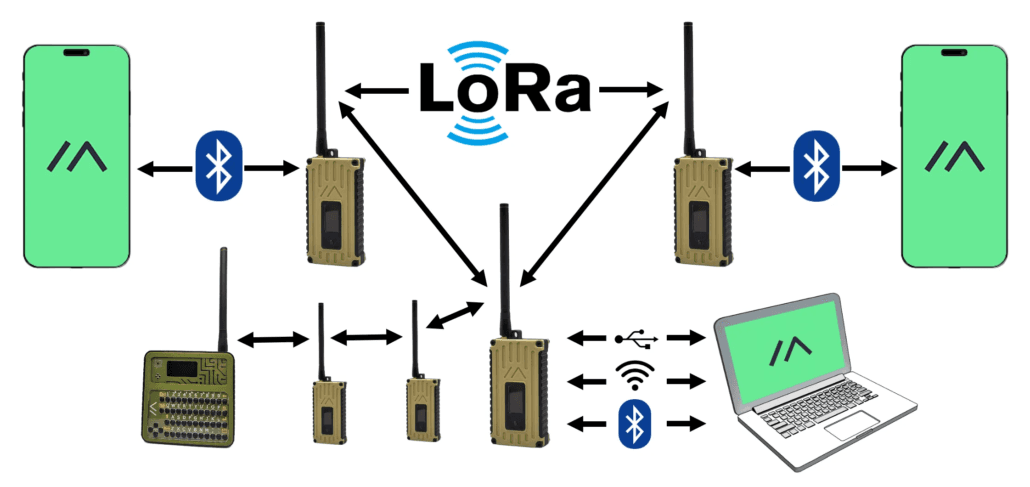
Seeed Studio said the network marked the first off-grid LoRa Meshtastic deployment in Cameroon, and the point went well beyond messaging. The setup was aimed at agriculture, environmental monitoring, asset tracking, and rural connectivity, with the whole system designed to work without depending on a carrier network. For Meshtastic users, that is the useful part: the mesh was treated as the local communications layer, not the final product.
The deployment followed a month of hands-on training in May 2026, including intensive IoT-based LoRa and Meshtastic sensor networking workshops and a 24-hour hackathon at Rebase Code Camp in Yaoundé and at IUT University of Douala. That workshop format matters because it pushed participants from theory into field-ready builds, then forced those builds to survive a compressed hackathon timeline. The result was a network assembled under realistic constraints, not a lab demo with ideal conditions.

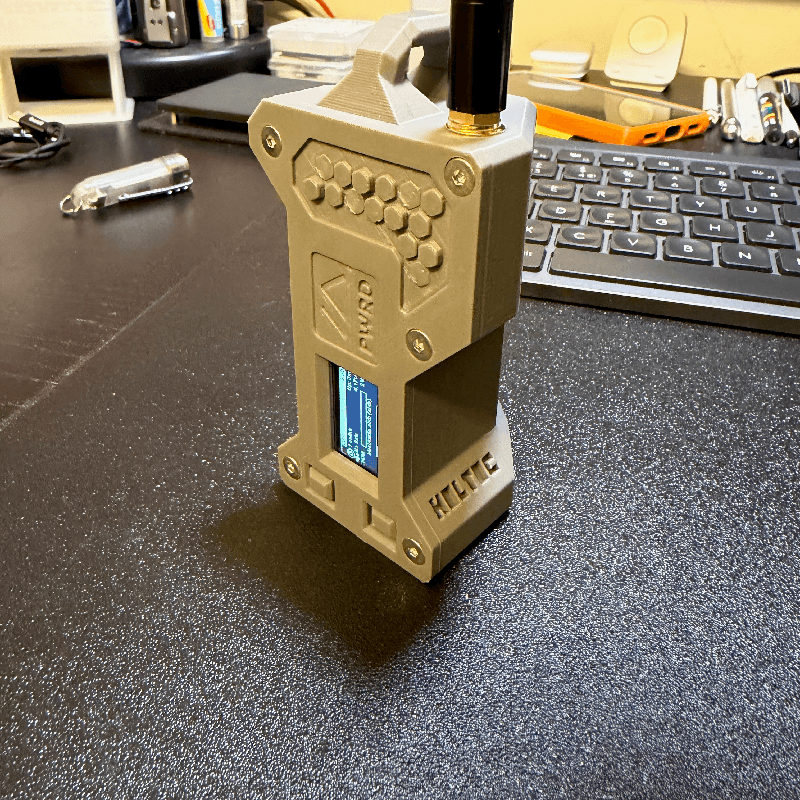
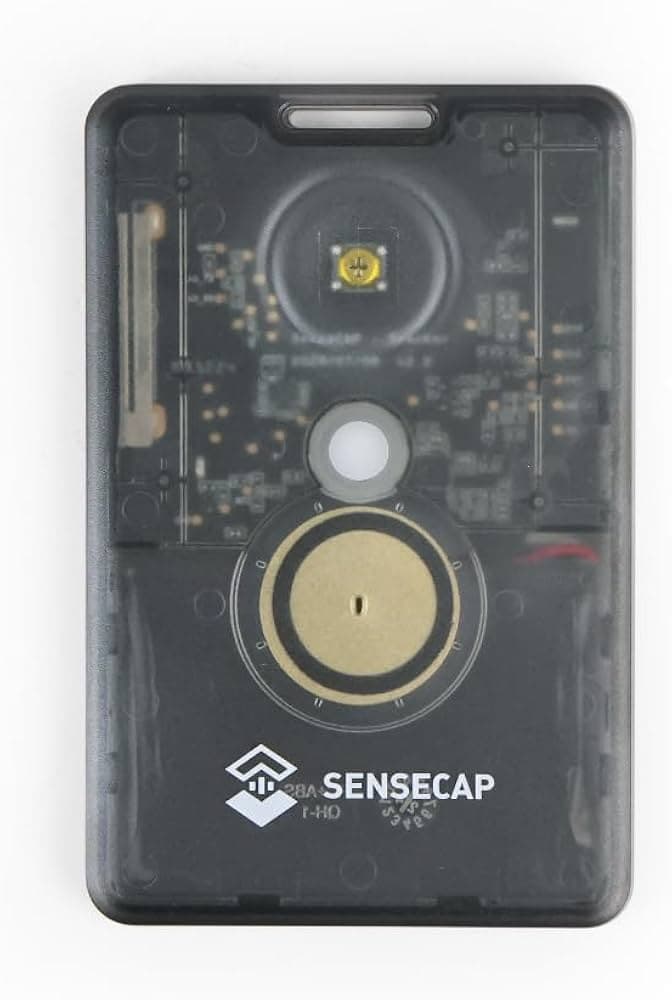
The hardware mix was practical rather than flashy. The team used a SenseCAP T1000 mesh tracker for GPS location and Bluetooth gateway communication with a phone. They also integrated a mesh node with a DJI Inspire drone to extend LoRa reach. A SenseCAP Indicator ran Meshtastic firmware, while a TTGO by LilyGo also ran Meshtastic firmware. On the infrastructure side, MissionPack-hosted ChirpStack connected LoRaWAN and mesh devices into a broader off-grid communications stack.
The sensor side was just as grounded. Participants built out LoRaWAN sensing for temperature, humidity, soil moisture, and weather monitoring, then pushed that data into MQTT and Node-RED dashboards. That is the real takeaway from DessMeshRobotsave: Meshtastic was not used as a novelty radio toy, but as a working backbone for telemetry, mapping, and data flow in places where the network has to be built before anything else can happen.
This article was produced by Prism’s automated news system from verified source data, official records, and press releases, then run through automated quality and moderation checks before publishing. The system is built and supervised by the people who set the standards it runs under. Read our full AI policy.
Did this article answer your question?