Solar Meshtastic relay guide targets winter-proof Canadian deployments
A fixed relay that survives January is a different beast than a sunny demo node. This guide shows how to build one for Canadian winters without treating Meshtastic like a toy.
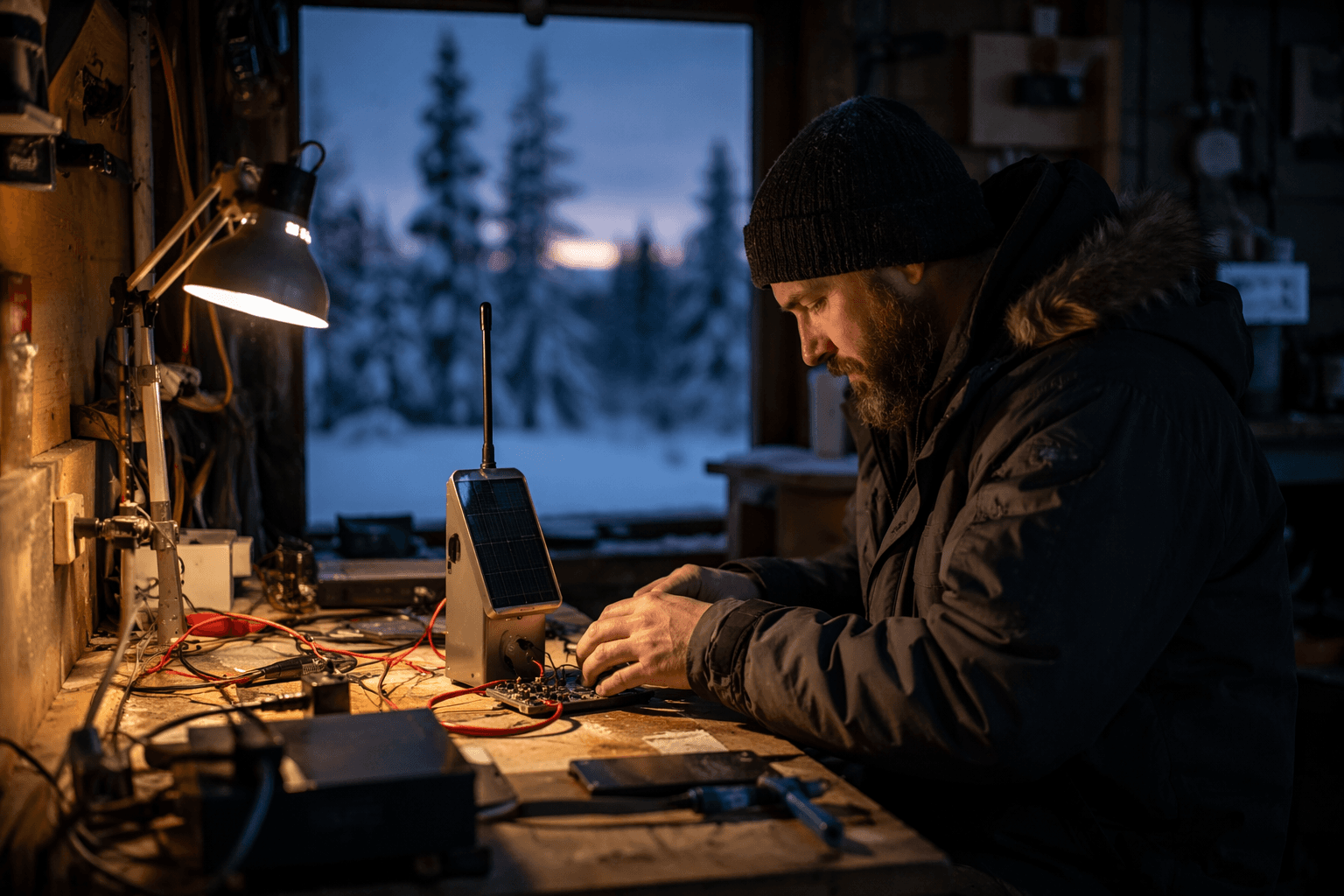
A solar Meshtastic relay that works in July but dies after the first freeze is just expensive bench art. The practical win here is endurance: a fixed node that stays alive through a Canadian winter can keep a neighborhood mesh, cabin link, trailhead hop, or emergency post talking when the grid is down and the sun is weak. D-Central’s guide gets the important part right by treating winter reliability as the whole job, not a side note.
Why winter changes the build
The first hard truth is sunlight. Southern Ontario through the Laurentians can drop to roughly 1.5 to 2.5 peak sun hours per day in mid-winter, and that is the kind of number that decides whether a relay node survives January or fades out after installation. That means you do not size the system for a bright average day and hope for the best. You size for the worst month, then give yourself margin for snow, shade, and cold-soaked batteries.
That worst-month mindset is what separates a field relay from a hobby setup. Meshtastic has plenty of flexible device roles, but a fixed solar node is only useful if it behaves like infrastructure: it stays awake, hears traffic, and forwards it without drama. D-Central’s approach frames the relay as something closer to a small utility than a gadget.
Pick hardware that belongs outside
The guide centers on a Meshtastic-capable board paired with an LFP battery, a weatherproof enclosure, and a solar panel sized for real Canadian conditions. It also compares options from RAK and Heltec, which matters because not every board that runs Meshtastic is a good candidate for a permanent outdoor post. For a relay, you want stable power behavior, straightforward firmware support, and hardware you can actually seal against weather.
A good point of reference is Meshtastic’s own solar-powered hardware documentation, which describes the SenseCAP Solar Node as a long-term outdoor device with a 5W solar panel and slots for four 18650 batteries. That tells you the ecosystem already treats solar deployment as a real category, not an afterthought. RAKwireless goes a step further and markets solar Meshtastic repeater products specifically for extending range where permanent power is not available, which is exactly the use case D-Central is leaning into.
The enclosure and mounting choices matter just as much as the board. A weatherproof box only helps if it stays dry through thaw cycles and does not trap snowmelt against connectors. The panel angle matters too, because a flatter panel may look tidy on the bench and then turn into a snow shelf in the field.
Size power for the worst month, not the brochure
Meshtastic’s solar guidance starts with a basic rule that gets ignored too often: measure actual device power consumption before you size the panel and battery bank. That is the right instinct, because idle draw, radio behavior, and duty cycle all change how much reserve you really need. If you guess, you usually guess too small.
For a Canadian relay, LFP battery choice is part of the strategy, not just a shopping decision. LFP handles deep cycling better than a random pack built for consumer gadgets, and a relay that has to ride out cloudy stretches needs chemistry that can take abuse without turning brittle in the cold. The battery bank has to cover those mid-winter gaps when the panel is underperforming and the enclosure itself is colder than the radio would like.
Natural Resources Canada’s solar resource maps are useful context here because they show how much mean daily global insolation and GHI vary across the country. That reinforces the obvious but uncomfortable conclusion: a design that looks fine in one latitude can fail somewhere else entirely. If you are building for a Canadian winter, annual averages are a trap.
Configure Meshtastic like a relay, not a handheld
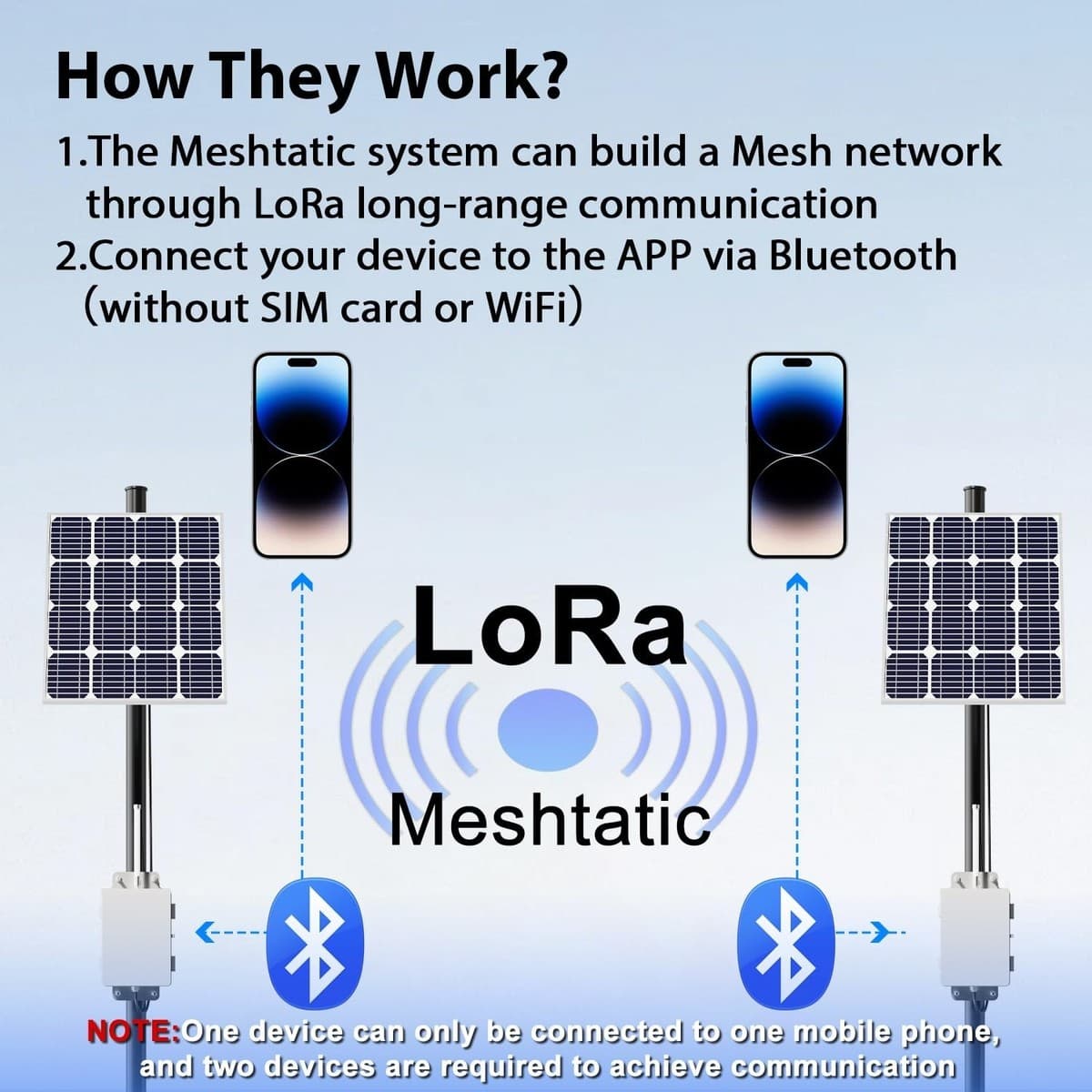
The firmware side is where a lot of outdoor builds go sideways. Meshtastic strongly recommends leaving most devices in CLIENT, CLIENT_MUTE, or CLIENT_BASE unless you have a specific reason to use another role, and that warning matters because the wrong role can make a relay behave less predictably than you expect. For a fixed infrastructure node, the guide points to the ROUTER role as the right fit.
Meshtastic describes ROUTER as a preferred routing device that always rebroadcasts packets, which is exactly what you want from a relay perched on a roof, mast, cabin wall, or trail edge. It is meant to sit in a strategic spot and forward traffic before other nodes get the chance to rebroadcast. REPEATER is even more specialized: Meshtastic says it is for stationary devices in extremely strategic locations and that it disables broadcasted telemetry. That makes it a niche tool for unusual placements, not the default answer for most outdoor nodes.
That distinction matters because it changes the node from a battery-limited pocket device into a deliberate piece of mesh infrastructure. If the job is to keep a corridor open across a property line or extend coverage to an emergency post, the firmware role has to match the physical job. A solar relay that is built like a router and mounted like a router is much more likely to stay useful when the weather turns.
Stay inside the Canadian radio rules
The regulatory side is not optional, even for an open-source DIY build. Meshtastic’s radio settings documentation says North America uses the 902 to 928 MHz ISM band, with a maximum output power of +30 dBm ERP. In Canada, Innovation, Science and Economic Development Canada’s RSS-247 Issue 4 covers certification requirements for licence-exempt devices in that band, which is the framework builders need to respect.
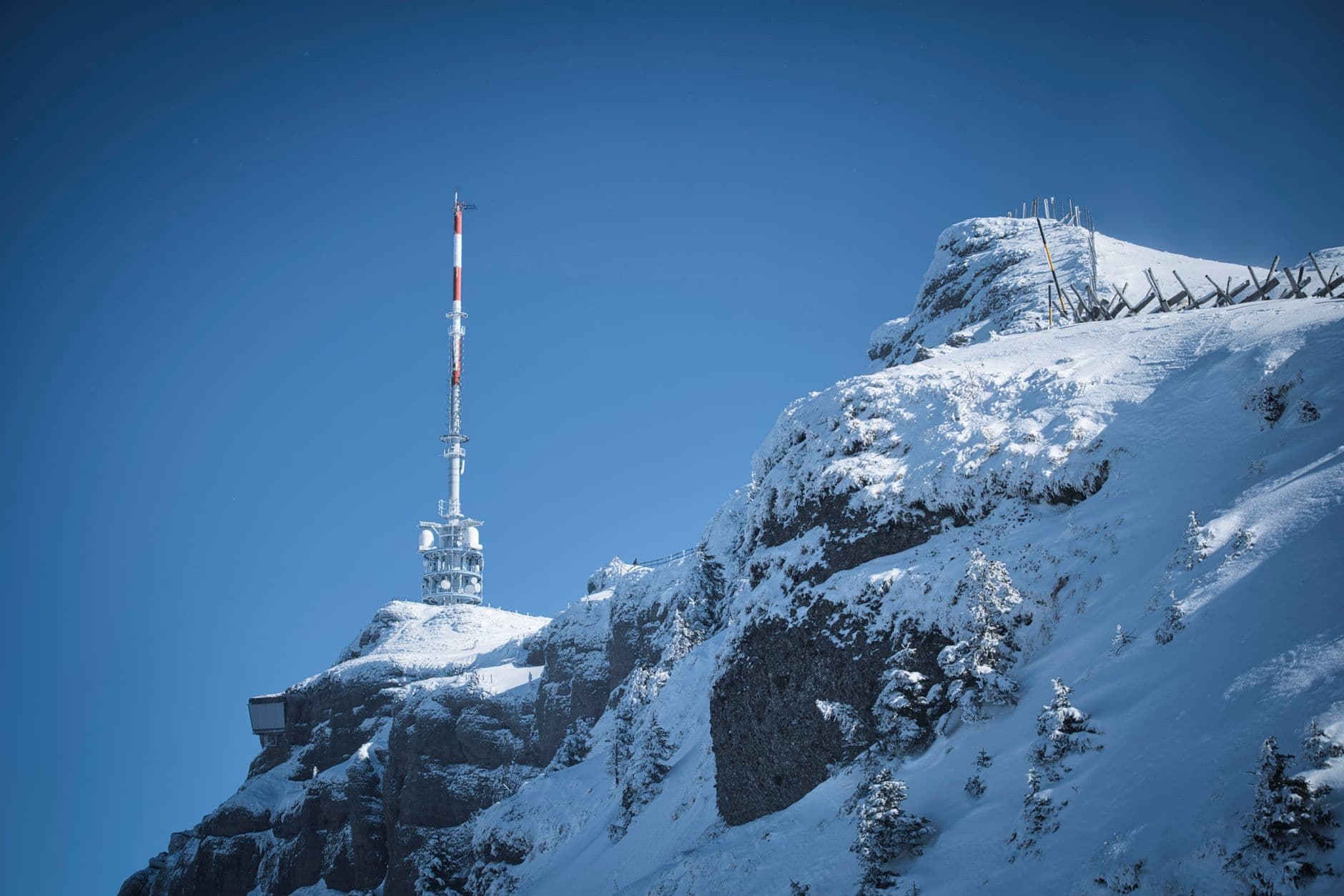
That compliance backdrop is part of what makes a deployment feel like infrastructure instead of a hack. You can still build your own relay, choose your own board, and tune your own placement, but the radio has to live inside the rules. That is especially important when you are putting it on a roof or at a remote site and expecting it to run unattended.
Plan the deployment before you mount the panel
The smartest builds do not start with the enclosure. They start with coverage planning. Meshtastic’s site planner now uses the ITM, also known as Longley-Rice, model to predict radio coverage in-browser, which is a sign that the project has matured beyond guesswork. If you are deciding between a fence post, a cabin roof, or a higher ridge line, that kind of planning helps you place the relay where it actually moves packets.
That is the bigger lesson in D-Central’s guide. A winter-proof relay is not just a solar panel and a box of parts. It is a board chosen for the job, a battery sized for the coldest stretch, a panel angled to shed snow, a mount placed where shade will not choke it, and a Meshtastic role that makes the node behave like a dependable router instead of a handheld with a panel strapped to it.
That is how you get a mesh node that keeps working when the bench-test optimism is long gone and the Canadian winter is doing what Canadian winter does.
This article was produced by Prism’s automated news system from verified source data, official records, and press releases, then run through automated quality and moderation checks before publishing. The system is built and supervised by the people who set the standards it runs under. Read our full AI policy.
Know something we missed? Have a correction or additional information?
Submit a Tip