Texas ham radio club to spotlight Meshtastic at June meeting
A Paris, Texas ham club put Meshtastic on its June agenda, pairing a 10 a.m. courtroom meeting with a 8 a.m. breakfast and a hands-on talk by Phillip W5EBC.

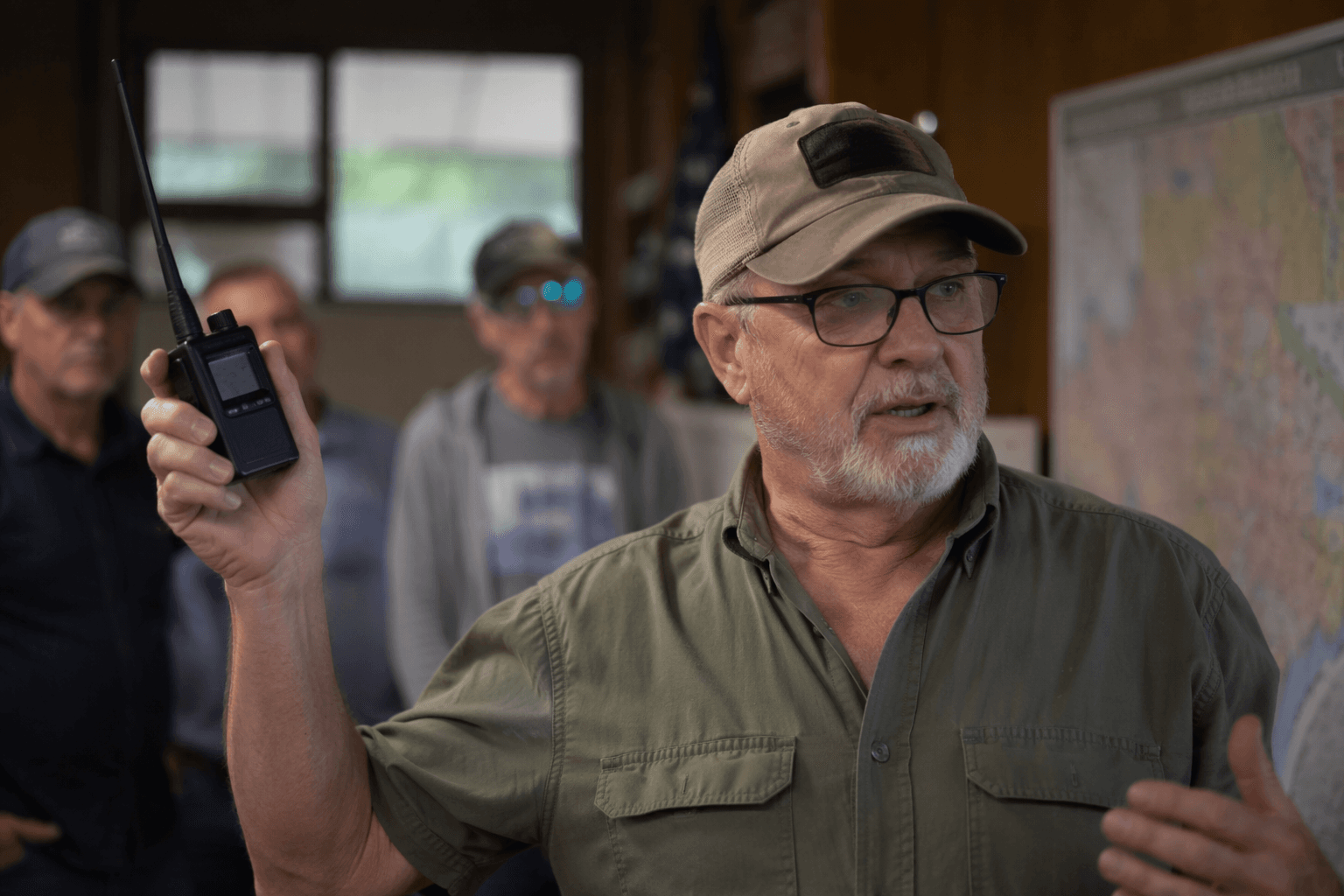
The Red River Valley Amateur Radio Club’s decision to put Meshtastic on the meeting agenda showed how far the project has moved beyond online hobby chatter and into the kind of room that matters: a local ham club with repeaters, public-service work and operators who actually build and deploy things. Members gathered Friday morning at the Paris PD Courtroom in Paris, Texas, after an 8 a.m. breakfast stop at That Place Downtown, with Phillip W5EBC scheduled to walk the club through Meshtastic.
That setup mattered. RRVARC is not a casual meetup. The club says it is ARRL-affiliated, holds IRS 501(c)(3) status and operates two repeaters in the Paris and Lamar County area. Its members also take part in public service events such as Field Day, the Tour de Paris, educational activities and emergency-preparedness activations, which makes it a natural fit for a tool built around off-grid messaging and local resilience.
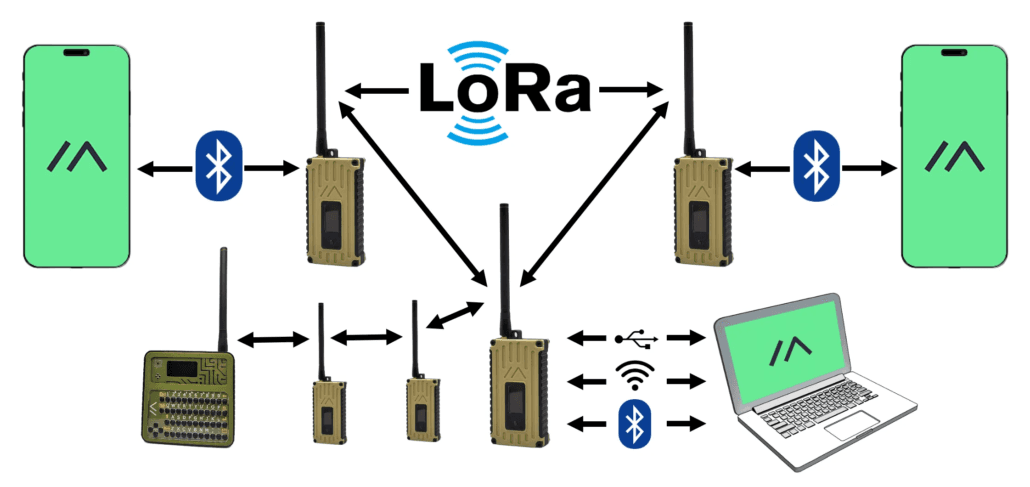
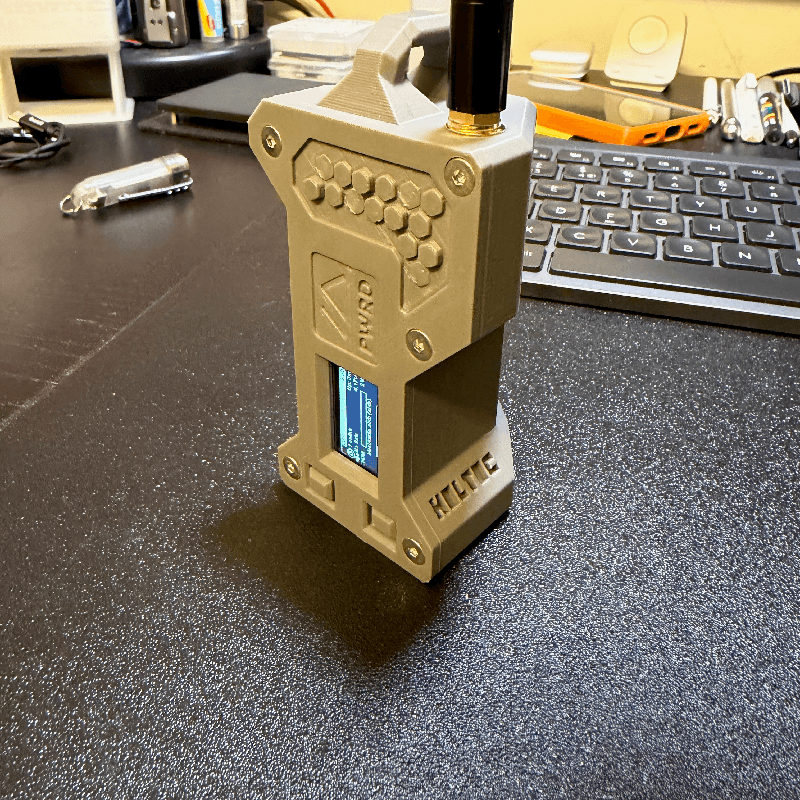
Meshtastic’s pitch is simple enough to explain in one sentence and practical enough to matter in the field: it is an open-source, decentralized mesh network built to run on affordable, low-power devices without cell towers or the internet. The project uses LoRa radios for long-range off-grid communication, and its documentation says phones or computers can connect to radios through Bluetooth, Wi-Fi, Ethernet or USB. Messages are rebroadcast across the mesh, with retransmission attempts if no confirmation comes back, which is exactly the kind of behavior that makes a club demo useful instead of theoretical.
For newcomers, a presentation like this can answer the questions that trip people up fastest: what kind of node role to choose, where to place hardware for actual coverage and why a network of CLIENT nodes with only a few well-placed routers is usually the most efficient setup. It is the sort of advice that is easier to absorb with a local operator pointing at real gear than by reading a forum thread after the fact.
The timing also fit the club calendar. ARRL says Field Day 2026 falls on June 27 and 28, the fourth full weekend of June, and draws more than 31,000 radio amateurs as the most popular on-the-air amateur radio event in the U.S. and Canada. RRVARC moved its June meeting up a week so members could talk Field Day and the Tour de Paris without colliding with the operating weekend.
There was a policy angle in the background, too. ARRL noted in 2024 that a NextNav proposal involving the 902 to 928 MHz band could affect Meshtastic and amateur radio operations, which gives the subject more weight than a passing gadget demo. At a club like RRVARC, that turns Meshtastic into something bigger than a novelty: a field-ready tool being evaluated by operators who already care about coverage, reliability and how a network behaves when it has to work.
This article was produced by Prism’s automated news system from verified source data, official records, and press releases, then run through automated quality and moderation checks before publishing. The system is built and supervised by the people who set the standards it runs under. Read our full AI policy.
Did this article answer your question?