Zephyr podcast spotlights a native Meshtastic stack on its platform
A Zephyr-native Meshtastic stack could shift builders from one-off firmware ports to Zephyr’s board model, west tooling, and 1,000-plus board ecosystem.

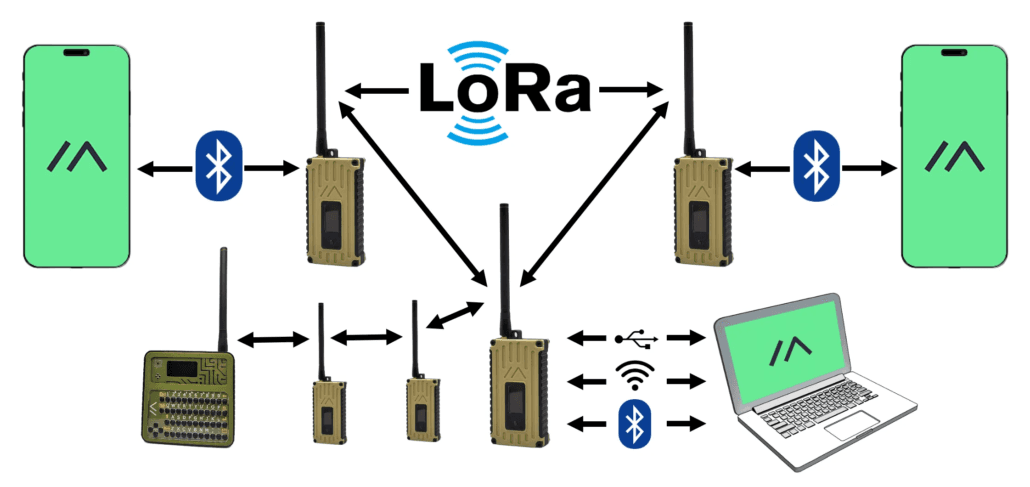
The sharpest takeaway from Zephyr Project’s podcast #036 was not another board bring-up, but the idea that Meshtastic could be rebuilt as a native Zephyr stack instead of staying locked to its current firmware world. That matters to anyone who has ever bought the wrong radio or spent too long wrestling a port: a Zephyr-based path would put LoRa messaging, Protobuf, GNSS, sensors, display support, and MQTT inside a system built around broad hardware support and a shared embedded workflow.
Zephyr said it supports more than 1,000 boards on its main site, and its 2026 overview PDF lists 926 supported boards. Its documentation says devicetree describes hardware and provides that hardware’s initial configuration to the device driver model, which is exactly the kind of structure that makes board bring-up less ad hoc. Zephyr’s west tooling also gives developers build, flash, debug, debugserver, and attach commands, so a Meshtastic port there would not just be about code reuse. It would also change how people move from prototype to flashed hardware, especially when the build machine and the device live in different places.
That is the real hardware-builder angle. A Zephyr-native Meshtastic stack could eventually let developers reuse Zephyr’s driver model, devicetree layout, and board-porting workflow instead of rebuilding every integration inside the existing Meshtastic firmware codebase. The podcast summary tied that idea to practical work already underway elsewhere in Zephyr, including remote build and local flash flow, min/max cleanup, devicetree constraint helpers, BCM2711 mailbox controller support, nsim_mount filesystem work, and support for the Wio Tracker L1. In other words, this was not a fantasy concept dropped into a vacuum. It sat inside an ecosystem that keeps widening its hardware reach.
Meshtastic itself says it is an open source, off-grid, decentralized mesh network built to run on affordable, low-power devices. Its documentation says the project defines its own Protobuf messages, runs a public MQTT service for bridging devices over the internet, and includes GNSS module material in its reference docs. The project also says it has more than 100 community-supported devices, 1,800-plus code contributors worldwide, 26 LoRa regions, and 39 languages, while the Meshtastic GitHub organization lists 126 repositories. Put beside Zephyr’s board count and build tooling, the signal is clear: this was less a product launch than a realistic new path for people deciding whether to stay with Meshtastic’s current firmware approach or bet on a Zephyr-native future.
This article was produced by Prism’s automated news system from verified source data, official records, and press releases, then run through automated quality and moderation checks before publishing. The system is built and supervised by the people who set the standards it runs under. Read our full AI policy.
Did this article answer your question?