Ancient baduanjin lowers blood pressure nearly as well as medication
A 10-minute qigong routine beat self-directed exercise and matched brisk walking for blood pressure, with benefits holding for a year.
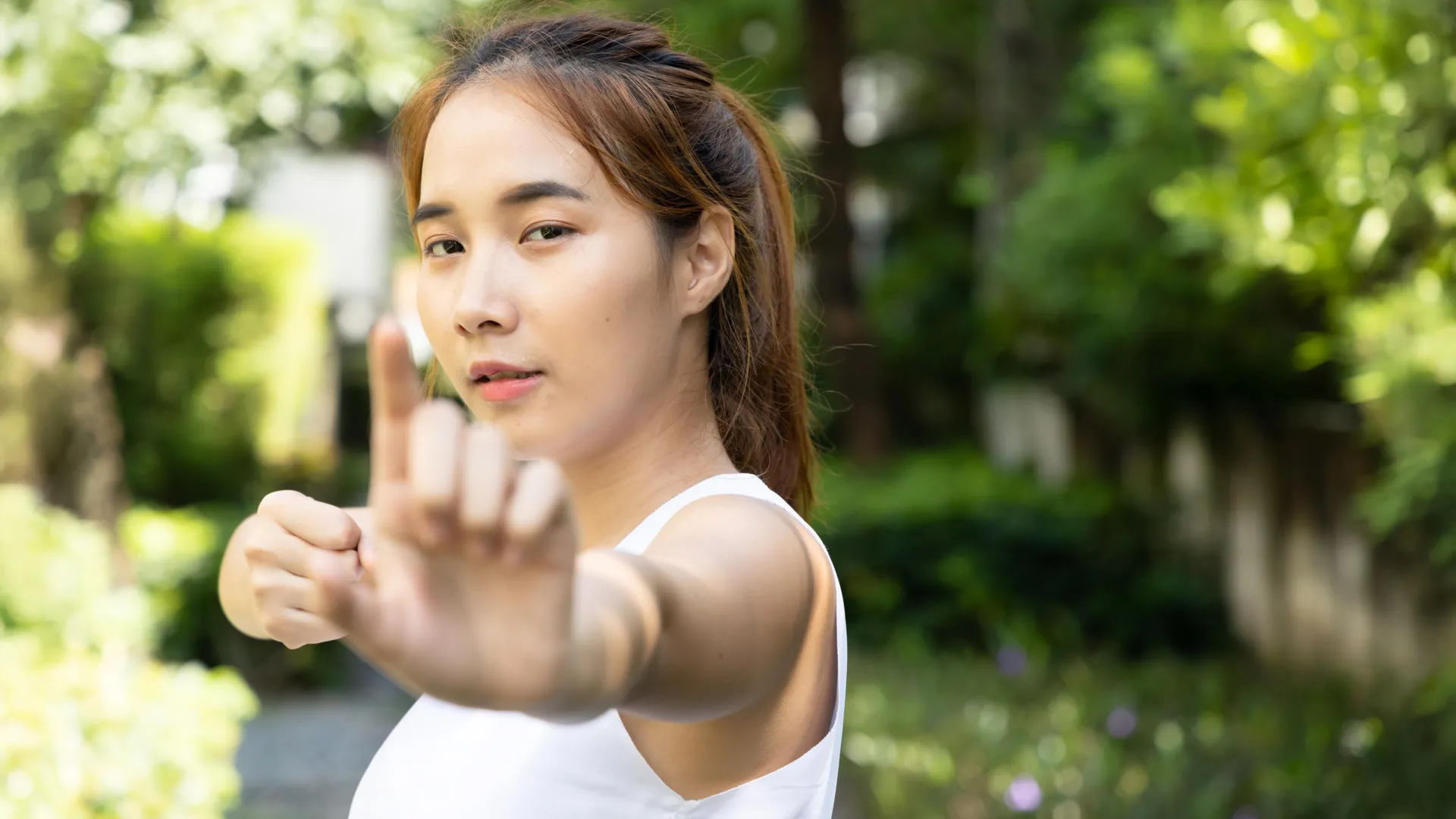
A 10- to 15-minute sequence of eight slow movements is moving into the mindfulness conversation with unusual force: in a trial of 216 adults, baduanjin cut blood pressure and kept that gain for a full year.
That matters because baduanjin sits right on the seam between seated meditation and exercise. The practice uses controlled breathing, concentration and deliberate movement, which makes it feel familiar to mindfulness meditators even though it is done on your feet, not on a cushion. In the study published in the Journal of the American College of Cardiology, adults 40 and older with high-normal blood pressure, 130 to 139 mm Hg systolic, were assigned to baduanjin, self-directed exercise alone or brisk walking.
The results gave the ancient routine real clinical weight. Researchers tracked 24-hour systolic blood pressure at 12 weeks and again at 52 weeks across seven communities, and baduanjin lowered 24-hour systolic pressure by about 3 mm Hg and office systolic pressure by about 5 mm Hg compared with self-directed exercise. Those improvements showed up by three months and were still there one year later, a finding that puts the practice in the realm of prevention, not just relaxation.
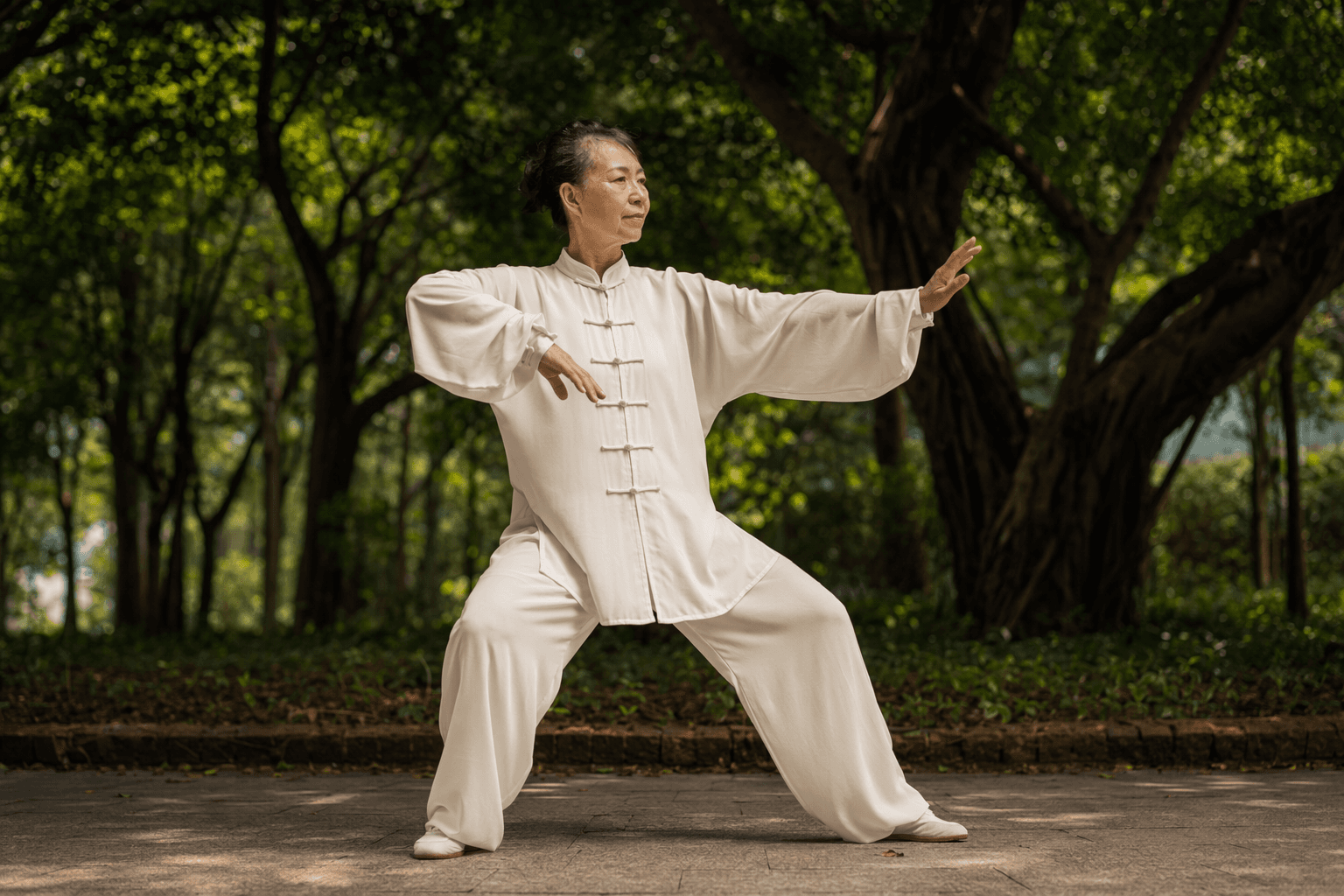
The American College of Cardiology called it the first large, multicenter randomized trial to test baduanjin for blood pressure, and ClinicalTrials.gov lists the study as BLESS, the Baduanjin Lower Elevated Blood PreSsure Study, sponsored by the China National Center for Cardiovascular Diseases and run at Fuwai Hospital in Beijing. The trial began on June 5, 2022 and finished on July 11, 2025, giving the result the kind of follow-through that many wellness claims never get.
For mindfulness readers, the key question is where to place baduanjin. It is not seated mindfulness, and it is not medication. It is a standardized eight-movement qigong routine that ACC describes as low-to-moderate intensity, safe for many adults, and requiring no equipment. That combination, plus the fact that it compared well with brisk walking, makes it feel less like a trendy add-on and more like a complementary blood-pressure tool that could live comfortably beside breath awareness, walking meditation and other body-based practices.
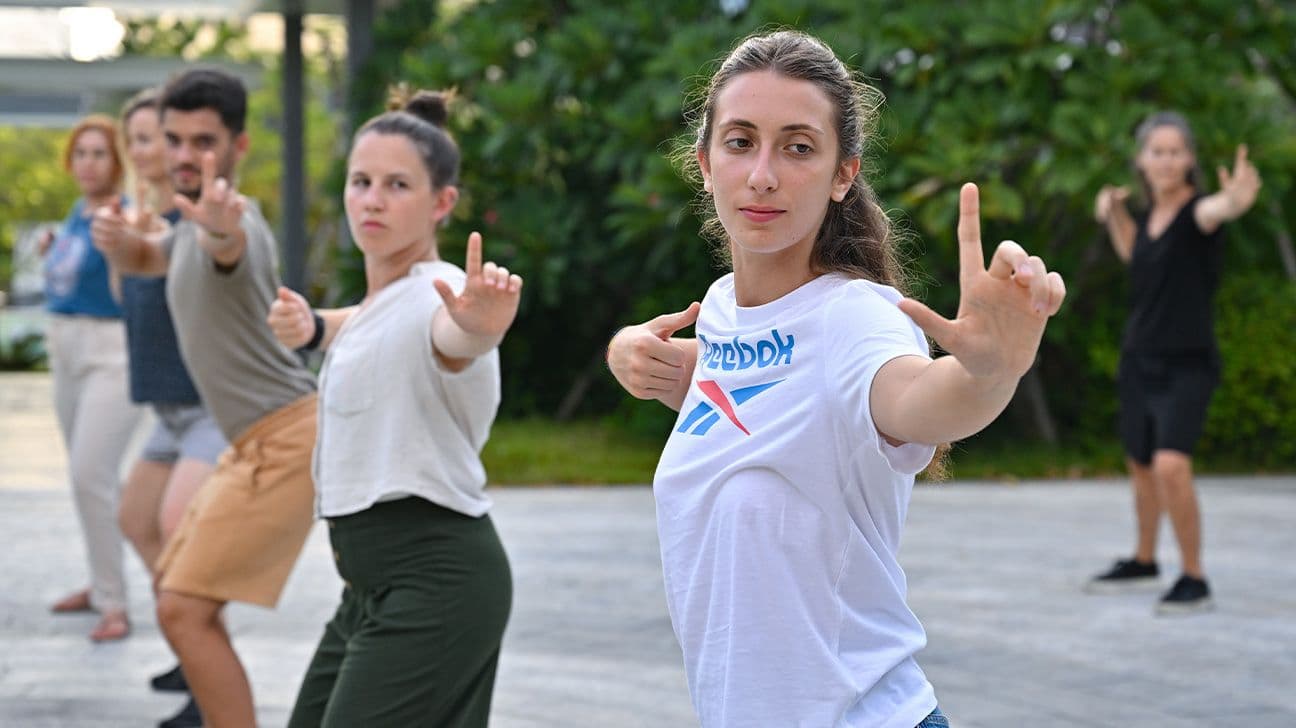
That is the practical shift here: baduanjin suggests that the mindfulness conversation does not have to stop at stillness. For people trying to support blood pressure without turning every routine into a gym session, the old park practice now has data to back up what its slow steps have always promised.
This article was produced by Prism’s automated news system from verified source data, official records, and press releases, then run through automated quality and moderation checks before publishing. The system is built and supervised by the people who set the standards it runs under. Read our full AI policy.
Did this article answer your question?


