Pulse launches screen-free awareness ring to prompt mindful pauses
Pulse’s new ring vibrates several times an hour to pull you off autopilot, betting that tiny haptic nudges can beat another meditation app.
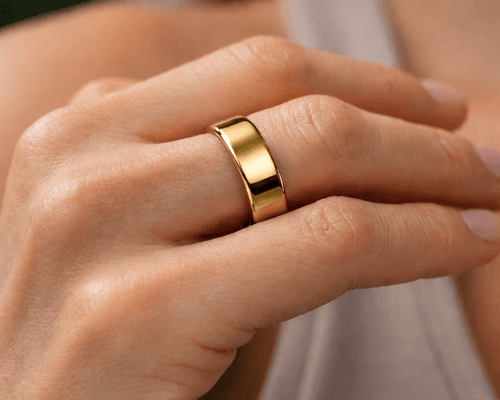
The odd promise here is that wearable tech might help you use your phone less by adding one more thing to wear. Pulse’s Mindfulness Ring is screen-free and built around gentle haptic taps, not metrics, with the idea that a 10-second micro-pause can interrupt autopilot and bring you back to the body before the next notification does it for you.
The ring vibrates several times an hour, with the wearer setting how often, and Pulse says the cue is meant to trigger presence rather than data collection. In practice, that means a user can take one breath, check in with the shoulders, feel gratitude, or simply stop long enough to notice the move from task to task. Pulse also splits the experience into four modes: mindfulness, focus, meditation, and Pulse Journeys, a set of week-long guided programs built around custom vibration patterns and self-development themes. The App Store listing describes those journeys as structured video programs created with expert teachers on stress reduction, habit building, emotional regulation, and mindful living.
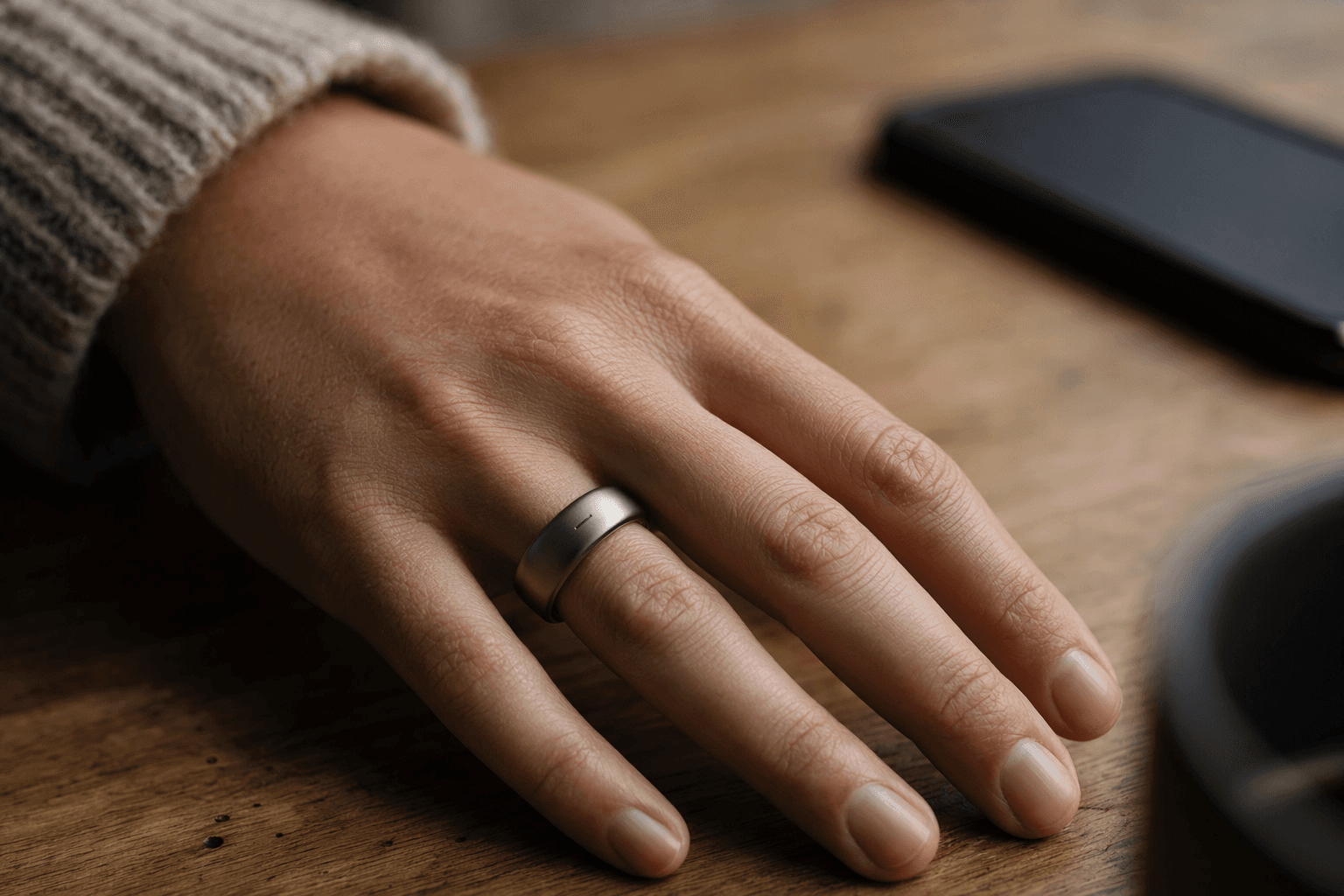
Johan Matton is pitching the ring as a corrective to attention-hungry technology, and the backstory fits that argument. He spent 12 years in New York’s film industry making content for brands including Spotify, Nike, and Microsoft before building Pulse. The company first surfaced publicly in September 2024 as a Kickstarter-backed mindfulness smart ring, so the May 2026 launch looks more like the latest stage of a longer product cycle than a fresh gimmick. That matters, because this is not trying to out-Oura Oura or out-Samsung Samsung. Mainstream smart rings lean on sleep, heart rate, and activity tracking; Pulse is trying to win by tracking nothing and prompting presence instead.
The concept lines up with the broader mindfulness playbook. The American Psychological Association describes mindfulness-based stress reduction as an 8-week program with daily home exercises, and research has shown that even brief practices can move the needle. A PubMed-indexed study found a 15-minute mindfulness induction reduced cardiovascular sympathovagal tone and vascular resistance, and a randomized trial found a 10-day online mindfulness intervention enhanced heart-rate variability. That gives Pulse a credible lane: not a replacement for disciplined practice, but a somatic cue that makes short regulation work more likely to happen.
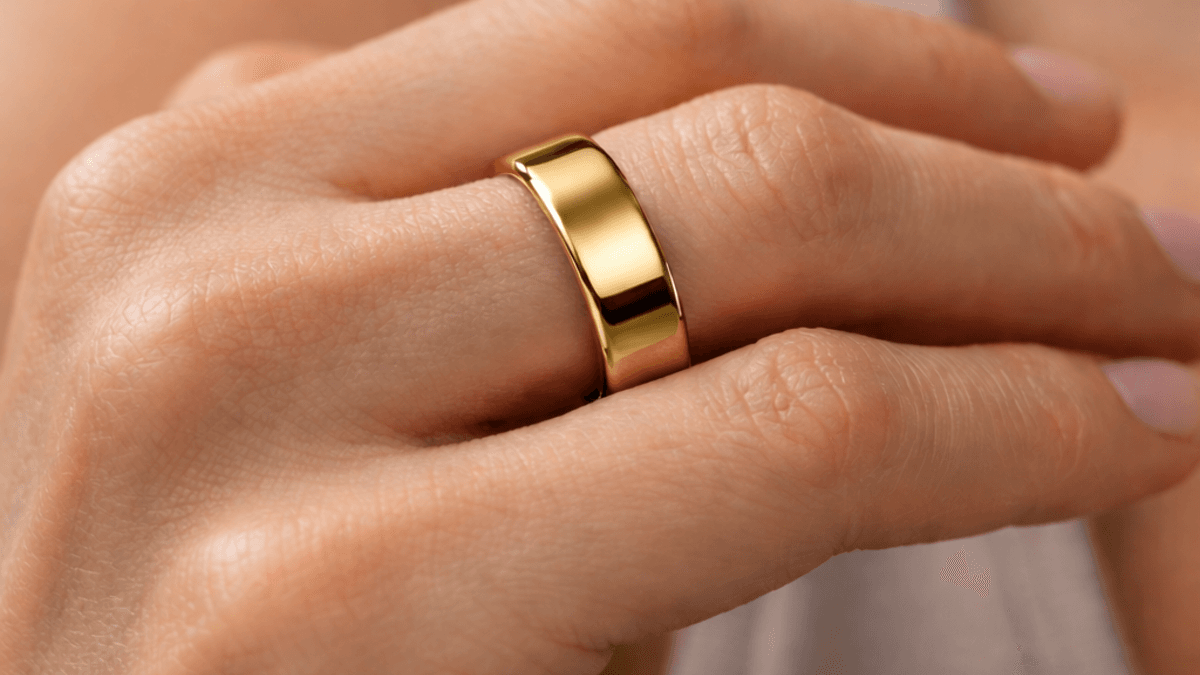
The ring will help most when someone wants a repeatable nudge without a screen, especially busy beginners, workplace users, and anyone who resists app-based meditation but can use a physical cue at the desk. It becomes gimmicky if the wearer starts treating every vibration like another instruction to obey. The real test is simple: if a tiny buzz makes you pause, breathe, and return to your day on purpose, it has done its job.
This article was produced by Prism’s automated news system from verified source data, official records, and press releases, then run through automated quality and moderation checks before publishing. The system is built and supervised by the people who set the standards it runs under. Read our full AI policy.
Did this article answer your question?