Boise State study examines how children use mindfulness apps for sleep
Boise State researchers focused on which ages actually use a mindfulness app at bedtime, as 68% of U.S. children miss the recommended nine hours of sleep.
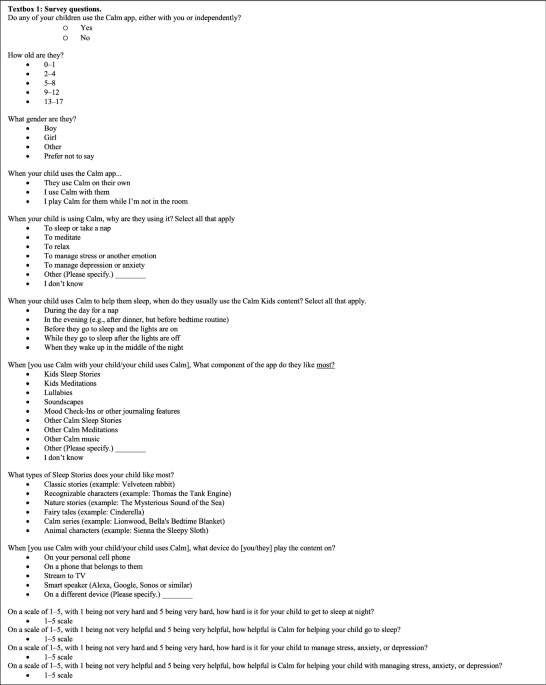
Boise State University researchers examined how children of different ages used a mindfulness-based app for sleep and mental well-being, a practical question at a time when 68% of children in the United States do not get the recommended nine hours of sleep. The study puts a familiar parenting problem at the center of the discussion: whether a digital meditation tool can fit into bedtime routines, or whether age changes how useful it really is.
The paper, Describing the Use of a Mindfulness-Based App for Sleep and Mental Well-Being, Across Age, in Children, was published in Child & Youth Care Forum on Sept. 24, 2021, and the Boise State abstract says research on how children across different ages access the app was limited. That focus matters because a mindfulness app that works for a teen may not be usable in the same way for a younger child who needs more parent help, simpler navigation, and more direct bedtime structure. The study’s value is in testing that age question rather than treating “children” as one uniform audience.
The sleep problem behind the work is not abstract. The American Academy of Sleep Medicine recommends 9 to 12 hours per day for children ages 6 to 12 and 8 to 10 hours for teenagers ages 13 to 18. The Centers for Disease Control and Prevention says insufficient sleep in children and adolescents is linked with obesity, diabetes, injuries, poor mental health, and problems with attention and behavior. That makes sleep one of the clearest measures parents and educators can track if they are deciding whether a mindfulness app is worth trying.
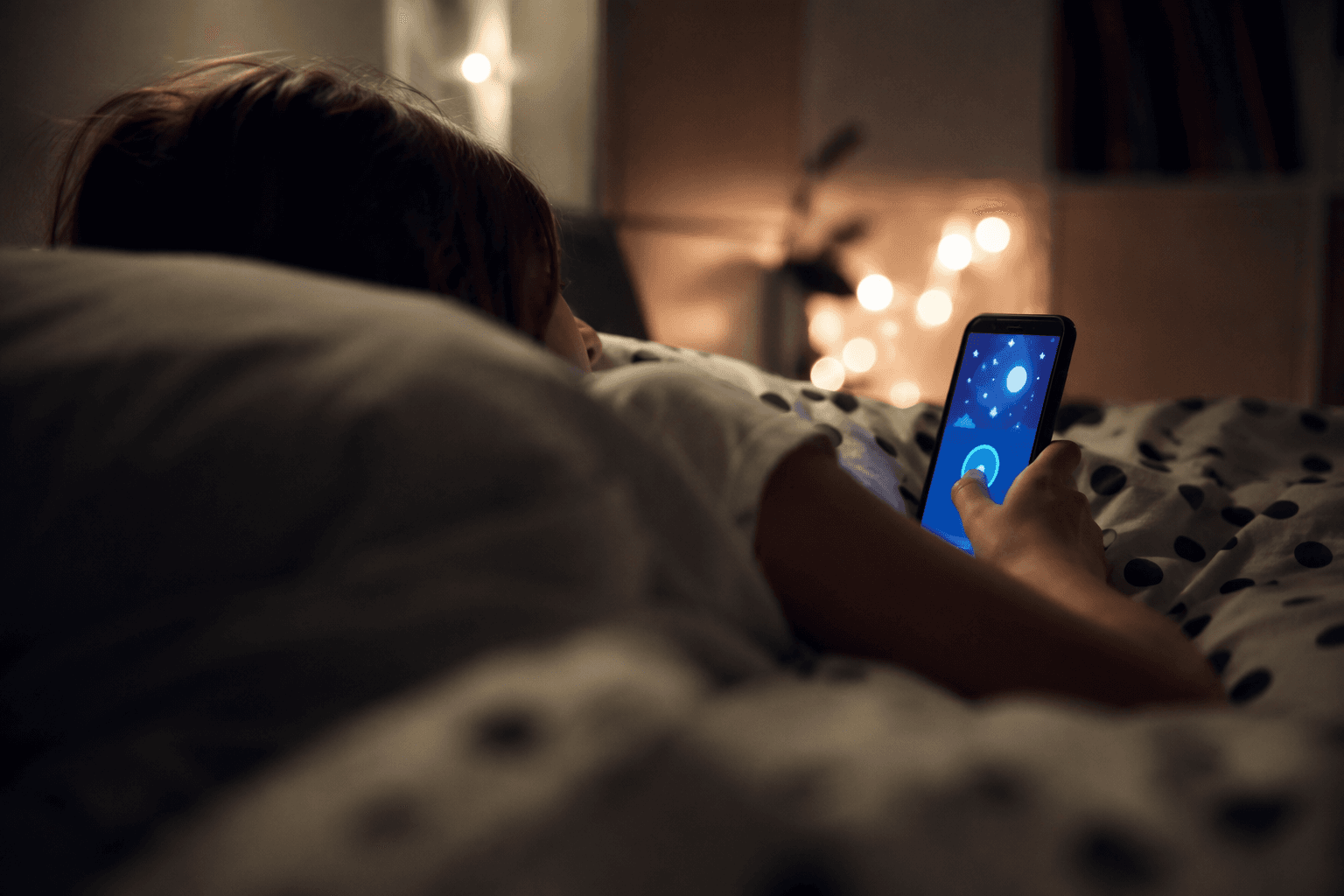
Earlier studies point to why researchers are paying attention to app-based mindfulness at all. Stanford Medicine reported in July 2021 that at-risk children gained more than an hour of sleep per night after a mindfulness curriculum, and that the work, published online July 6 in the Journal of Clinical Sleep Medicine, was the first to use polysomnography to measure sleep changes. MIT McGovern Institute later reported in October 2023 that children who used a mindfulness app at home for 40 days showed better stress levels and fewer negative emotions.
For families and schools, the Boise State study sharpens the test: the app is not just about whether mindfulness sounds useful, but whether a child can actually use it at the right age, with the right amount of adult support, and at bedtime when sleep is the real goal.
This article was produced by Prism’s automated news system from verified source data, official records, and press releases, then run through automated quality and moderation checks before publishing. The system is built and supervised by the people who set the standards it runs under. Read our full AI policy.
Did this article answer your question?