Study finds low engagement with meditation apps, tied to user traits
Downloads are cheap; the hard part is getting people to return. A new JMIR survey looks at which user traits line up with meditation-app engagement.
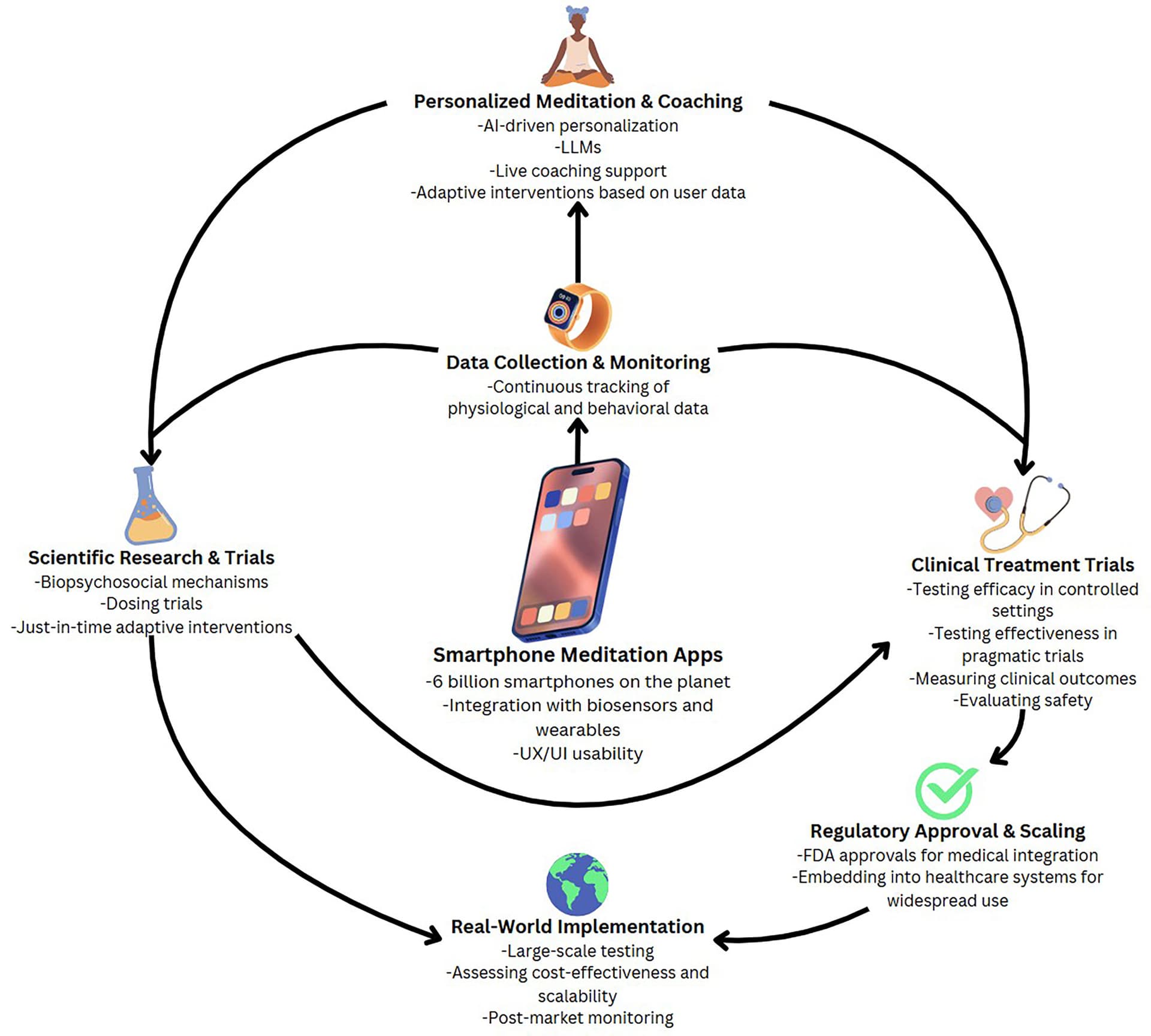
JMIR mHealth and uHealth published a survey online on Feb. 2, 2026, looking at who actually uses meditation apps and which user traits line up with stronger or weaker engagement. For anyone weighing a subscription, the takeaway is blunt: downloads are easy, retention is the real test.
Why engagement is the real scorecard
Meditation apps are increasingly popular, but there is still limited understanding of how much users actually engage with them. Engagement appears low even though the apps are widely sold as mental-health supports.
If people only open an app once for a quick breathing reset, that is a very different use pattern from someone returning for guided sessions, sleep support, or a daily stress routine.
What the JMIR survey actually measured
The paper appears in volume 28 of JMIR mHealth and uHealth. PubMed indexes it as PMID 41627883, and a full-text version is available in PubMed Central as PMC12910276. The paper also circulated as an accepted JMIR preprint and through a University of Melbourne scholarly record.
The study was a cross-sectional survey, and its objective was simple and practical: measure the extent of meditation-app use and examine which factors are associated with user engagement. The traits named in the available abstract material were age, education, income, sex, country, personality, and self-efficacy.
What low engagement means in practice
Low engagement shapes onboarding, session length, and reminder frequency, and it raises the question of whether free access is enough to keep people active over time. If the first session feels too long, the prompts are too frequent, or the app only makes sense after a big setup, users have every reason to disappear.
Some users want short breathing exercises they can use between meetings, while others want guided meditation sessions, mood tracking, sleep support, or stress relief at night. An app that tries to be everything can end up serving nobody well, especially if the features do not match the routine the user is actually trying to build.
Before you pay, look for these signs
If you are comparing meditation apps, the smartest test is whether the product fits the kind of use you will realistically repeat. A polished interface and a free trial are not enough if the app does not make it easy to come back tomorrow.
Look for:
- A free tier that lets you try repeated sessions, not just one sample meditation
- Short guided options that start quickly, especially if you use mindfulness between other tasks
- Clear paths for the exact use case you want, whether that is breathing exercises, guided meditation, mood tracking, sleep support, or stress relief
- Reminder controls you can adjust instead of a default notification flood
- A pricing structure that is easy to understand before you hand over a credit card
If an app’s best features are locked behind a subscription before you can tell whether you will actually use it, that is a bad sign.
How this fits the broader meditation-app evidence
This 2026 survey sits inside a longer JMIR research thread about real-world app use, not just whether the apps can work under ideal conditions. In 2019, JMIR mHealth and uHealth published Characteristics and Usage Patterns Among 12,151 Paid Subscribers of the Calm Meditation App: Cross-Sectional Survey, a large look at paid users. In 2023, the journal added Situating Meditation Apps Within the Ecosystem of Meditation Practice: Population-Based Survey Study, which treated app use as part of the wider meditation landscape rather than a standalone habit.
JMIR mHealth and uHealth also published a 2019 randomized controlled trial on Calm for college students, which shows the journal has been tracking both efficacy and actual use for years.
This article was produced by Prism’s automated news system from verified source data, official records, and press releases, then run through automated quality and moderation checks before publishing. The system is built and supervised by the people who set the standards it runs under. Read our full AI policy.
Did this article answer your question?