Box Breathing Uses Four-Count Rhythms to Calm Stress Fast
Four counts in, hold, four out, hold again: box breathing can steady a racing body in under a minute, whether you're facing a meeting or trying to sleep.

What box breathing does when stress hits
When stress spikes, box breathing gives you a reset you can actually use in the moment. The appeal is its plainness: no cushion, no app, no special setting, just a four-part rhythm that can help you feel less trapped in fight or flight before a presentation, after an argument, during a panic surge, or at the edge of sleep.
That practical edge is why the method keeps showing up in wellness, athletics, and high-pressure professions. It carries the Navy SEAL share hook, but the real reason people return to it is simpler: it is easy to remember when your thinking is scrambled and structured enough to bring your attention back fast.
How the four-count pattern works
Box breathing, also called four-square breathing or square breathing, follows a clean sequence: inhale, hold, exhale, hold, each for the same count, usually four seconds. The square shape is the point, because the even rhythm gives your breath something to do besides mirror your stress.
The practice is a form of mindfulness meditation, but it does not look like the longer, sit-still versions many people picture. It is closer to an emergency-use mindfulness tool, one you can pull out in a crowded train, at your desk, in the car before walking into a meeting, or in bed when your mind keeps replaying the day. Its power comes from repetition, not complexity.
When it helps most
Box breathing is especially useful at transition points, the moments when your nervous system has not caught up with what is happening around you. That can mean the few minutes before a high-pressure presentation, the first wave of panic, the tense silence after conflict, or the restless stretch before sleep when your body is tired but your thoughts are not.
The technique is also helpful in everyday background stress, where there is no single crisis but plenty of pressure. A disciplined breath pattern takes less than a minute to remember, and that matters because the practice is built for real life, not ideal conditions. You do not have to wait for a quiet room to start.
How to do it
The method is simple enough to learn once and reuse many times through the day:
1. Inhale through your nose for four counts.
2. Hold the breath for four counts.
3. Exhale slowly for four counts.
4. Hold again for four counts.
5. Repeat for several rounds until your breathing feels steadier and your focus starts to return.
The goal is not to force anything. You are giving your body a clear rhythm so it can shift out of shallow, anxious breathing and toward a calmer pattern. Many people feel the effect within seconds, which is part of why box breathing has stayed popular with beginners and with people who need a quick reset between demands.
Why the technique can calm the body
Part of box breathing’s usefulness comes from how it changes the mechanics of breathing. It encourages diaphragmatic breathing instead of the tight, shallow chest breathing that often shows up with anxiety. That shift can interrupt anxious thought loops, which is one reason the practice may create a sense of clarity so quickly.
The broader idea is straightforward: by changing the rhythm of the breath on purpose, you can help signal to the brain that you are safe. Harvard Health notes that deep breathing can help control the fight-or-flight response, and that fits what many people feel in practice, a body that starts to unclench before the mind has fully caught up.
Who uses it, and why that matters
Box breathing has a performance identity as well as a wellness one. It is used by elite athletes, first responders, and Navy SEALs, which gives it a kind of cultural credibility that newer mindfulness tools sometimes lack. Harvard Health says box or tactical breathing is used by military and law enforcement personnel to remain calm in dangerous situations, and Navy Medicine describes tactical or combat breathing as a way to reduce stress, focus, and regain control.
The U.S. Navy has also institutionalized related breathing and mental-training methods through Warrior Toughness, an evidence-based holistic initiative developed by Navy SEALs. Naval Education and Training Command describes it as strengthening spiritual, mental, and physical toughness through skills that include mindfulness and performance psychology. That matters because it shows box breathing is not just a wellness trend, but part of a broader training culture that values composure under pressure.
What the research says about results
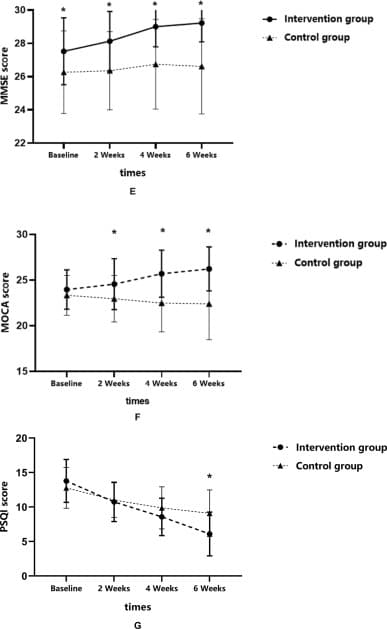
The evidence base around structured breathing is growing, and it is encouraging without being magical. A 2023 randomized controlled study of daily five-minute breathwork found improvements in mood and reductions in anxiety, though cyclic sighing outperformed box breathing on several measures. A 2024 systematic review found that controlled breathing exercises generally decrease anxiety and increase stress tolerance.
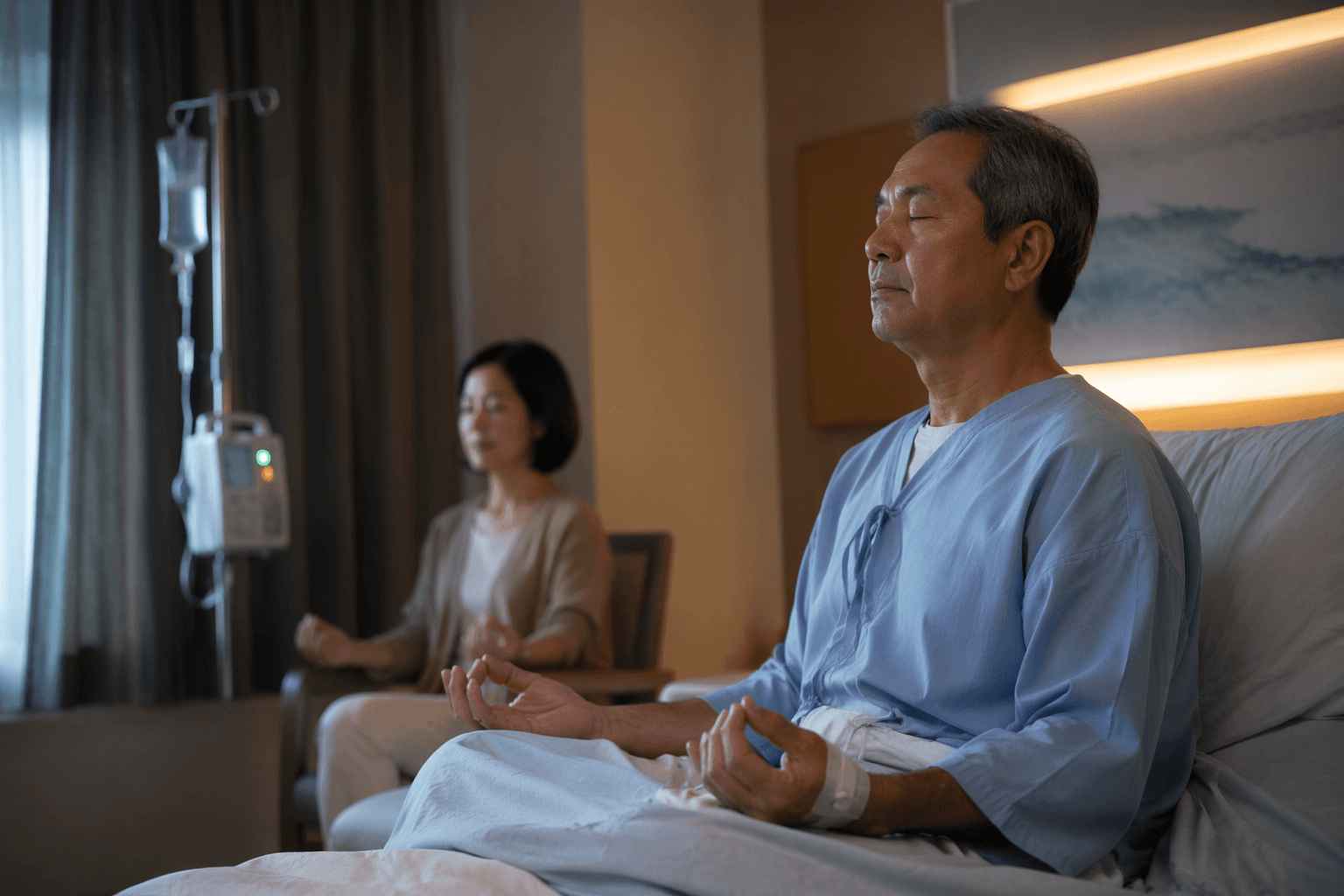
There are also concrete clinical and performance examples. A 2025 PubMed study reported that box breathing reduced stress in breast cancer patients after mastectomy, which gives the technique a real medical context beyond everyday stress relief. Another recent study found box breathing was less effective than breathing at six breaths per minute for heart rate variability, a reminder that box breathing is one useful pattern in a larger breathwork toolkit, not automatically the best one for every goal.
Where box breathing fits in a bigger mindfulness practice
The clearest way to think about box breathing is as a fast reset, not a replacement for deeper stress management. It can help you get through a tense meeting, slow down after conflict, or settle enough to fall asleep faster, but it is not meant to solve the stressor itself. If the pressure is chronic, the technique works best as part of a larger routine that also includes rest, boundaries, and other forms of support.
That is what makes box breathing such a practical entry point for mindfulness. It is portable, low-cost, and easy to repeat, which means it can meet you in ordinary life instead of asking you to step out of it. In the moments when stress narrows everything down to survival, four-count breathing can open just enough space to think clearly again.
This article was produced by Prism’s automated news system from verified source data, official records, and press releases, then run through automated quality and moderation checks before publishing. The system is built and supervised by the people who set the standards it runs under. Read our full AI policy.
Did this article answer your question?