Brain rhythms reveal how mindfulness builds calm, clarity and compassion
Mindfulness looks different when you read it through brain rhythms: alpha may buy calm, but theta and gamma point to deeper training for clarity and compassion.
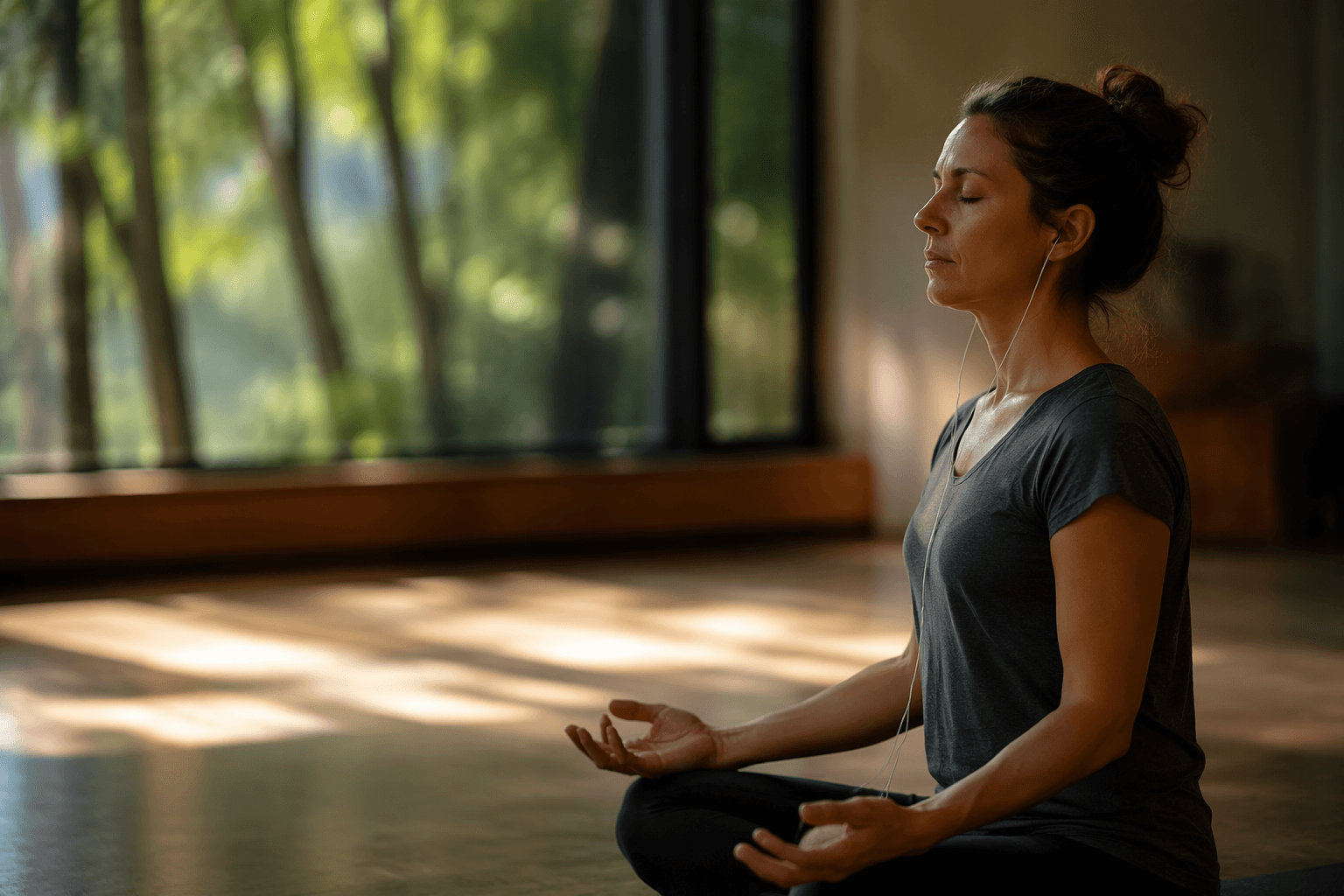
A 2024 EEG study found theta increased during meditation and alpha decreased compared with rest. That makes the brain-rhythm framing useful: it turns meditation from a vague promise of “calm” into something more exact, a practice that can nudge the mind out of anxious beta, settle it into alpha, and, with the right training, move toward deeper clarity and compassion.
The rhythm problem hidden inside modern mindfulness
Radhule B. Weininger argued on July 6 that every state of mind has a rhythm, and not every quiet mind is doing the same job. Beta is the frequency of ordinary waking life, the mode you use to plan, analyze, and keep up with the day. Push that system too hard, though, and the same band starts to look a lot like worry and threat-scanning.
That distinction matters because a lot of people approach meditation with one goal in mind: feel less overwhelmed. In a culture that already runs hot, getting from beta into alpha can be a real win. Alpha is the first doorway out of agitation, linked to relaxed readiness and quiet awareness.
What calm actually means in practice
This framework makes calm less abstract. Calm is not some abstract wellness state floating above the body; it is a trainable shift in rhythm. If stress relief is the whole assignment, alpha-level quieting may be enough.
The practical implication is straightforward: stop treating every meditation session like it has to deliver enlightenment. A short period of simple settling, especially when the mind is stuck in overworked beta, can be the right tool for the job. If your nervous system needs a downshift after a crowded commute, a hard meeting, or too much screen time, the goal is not to chase fireworks, just to leave the threat loop and land in a steadier register.
Why clarity is a different job from relaxation
Weininger draws a line that many beginners miss: not all relaxation is insight. Theta, the brain wave band linked to dreamlike reverie and deeper meditative absorption, suggests that something more than relaxation is available when practice deepens. Delta belongs to restorative sleep, which is its own territory entirely, and gamma, the fast and more debated band, points to neural synchrony and integration.
That gives “clarity” a more concrete meaning. Clarity is not just being less tense; it is the mind becoming able to organize experience without getting stuck in it. If meditation only ever gets you to alpha, you may be calmer, but you have not necessarily trained the concentration or depth needed for sharper awareness.
If you want a little relief, you can stop at simple settling. If you want clearer attention or deeper awareness, you need a more specific practice and enough repetition for the brain to do something other than merely relax.
Compassion is not a mood, it is integration
The most interesting part of the brain-rhythm frame is gamma, because it links mindfulness not just to quiet, but to connection across distant parts of the brain. In this framework, gamma is a possible marker of integration, one that may sit closer to clarity and compassion than to basic stress reduction.
That matters for people who come to mindfulness because they want to be less reactive, less hard-edged, less trapped in their own mental weather. Compassion is not just soft feeling. In this framework, it looks more like a brain that can coordinate attention, emotion, and perspective without fragmenting. Compassion-oriented practice should not be judged by whether it feels soothing in the moment. It should be judged by whether it helps the mind integrate what it knows, feels, and does.
The science is real, but it is not neat
The wider research base backs up the idea that brain rhythms are worth taking seriously, while also making clear that the field is still messy. In the U.S. National Health Interview Survey, meditation use more than doubled from 7.5% of adults in 2002 to 17.3% in 2022, and NCCIH says those 2022 data were released in January 2024.
Jon Kabat-Zinn founded the Mindfulness-Based Stress Reduction clinic in 1979 at the University of Massachusetts Medical Center, building an eight-week program that UMass Memorial Health says has now reached hundreds of thousands of people worldwide.
What the medical world will and will not promise
The American Heart Association has taken meditation seriously enough to frame it as a possible adjunct to guideline-directed cardiovascular risk reduction. The AHA’s own commentary has also said that as many as 1 in 4 people with heart disease use or have used some form of mind-body therapy such as meditation.
A 2020 review of 83 studies with 6,703 participants found that 55 studies reported negative experiences, and about 8% of participants had a negative effect, most commonly anxiety or depression. NCCIH treats meditation as generally low risk.
How to read the brain-wave map without turning it into a slogan
Not all meditation does the same thing. A 2024 review of mindfulness-based neurofeedback found the strongest evidence for theta-band modulation but no established mental health benefit yet.
Different practices appear to recruit different states, and those states serve different ends. If you only need the pressure valve to open, alpha may be enough. If you want deeper insight or a more integrated kind of compassion, you need to stay with the practice long enough for the mind to work beyond surface quiet.
This article was produced by Prism’s automated news system from verified source data, official records, and press releases, then run through automated quality and moderation checks before publishing. The system is built and supervised by the people who set the standards it runs under. Read our full AI policy.
Did this article answer your question?