Columbus class offers donation-based mindfulness for busy people
A donation-based Columbus class used breath-focused Anapanasati and a twice-monthly schedule to make meditation feel doable for people short on time.
The sell was simple: a mindfulness class built for people who say they are too busy to meditate. Columbus Underground’s listing for Meditation & Mindfulness Class For Busy People framed it as 100% donation-based and built around a little bit of class and a little bit of practice, a low-pressure entry point for anyone looking to start without a paywall.
The class taught Theravada Anapanasati, or mindfulness of breath, which gave the session a clear structure instead of a vague wellness pitch. It met every first and third Sunday of each month, giving the offering a predictable rhythm that fit the same problem it was designed to solve, how to keep a meditation habit alive when the calendar is already packed.
That recurring cadence matters in a city where mindfulness options can be broad but not always easy to plug into a real week. Columbus Karma Thegsum Chöling in Franklinton offered another regular path, with free Mindfulness Meditation Instruction every Sunday at 10 a.m. The Sunday classes were available in person and virtually, which widened access for people balancing work, family, or a long drive across Central Ohio.
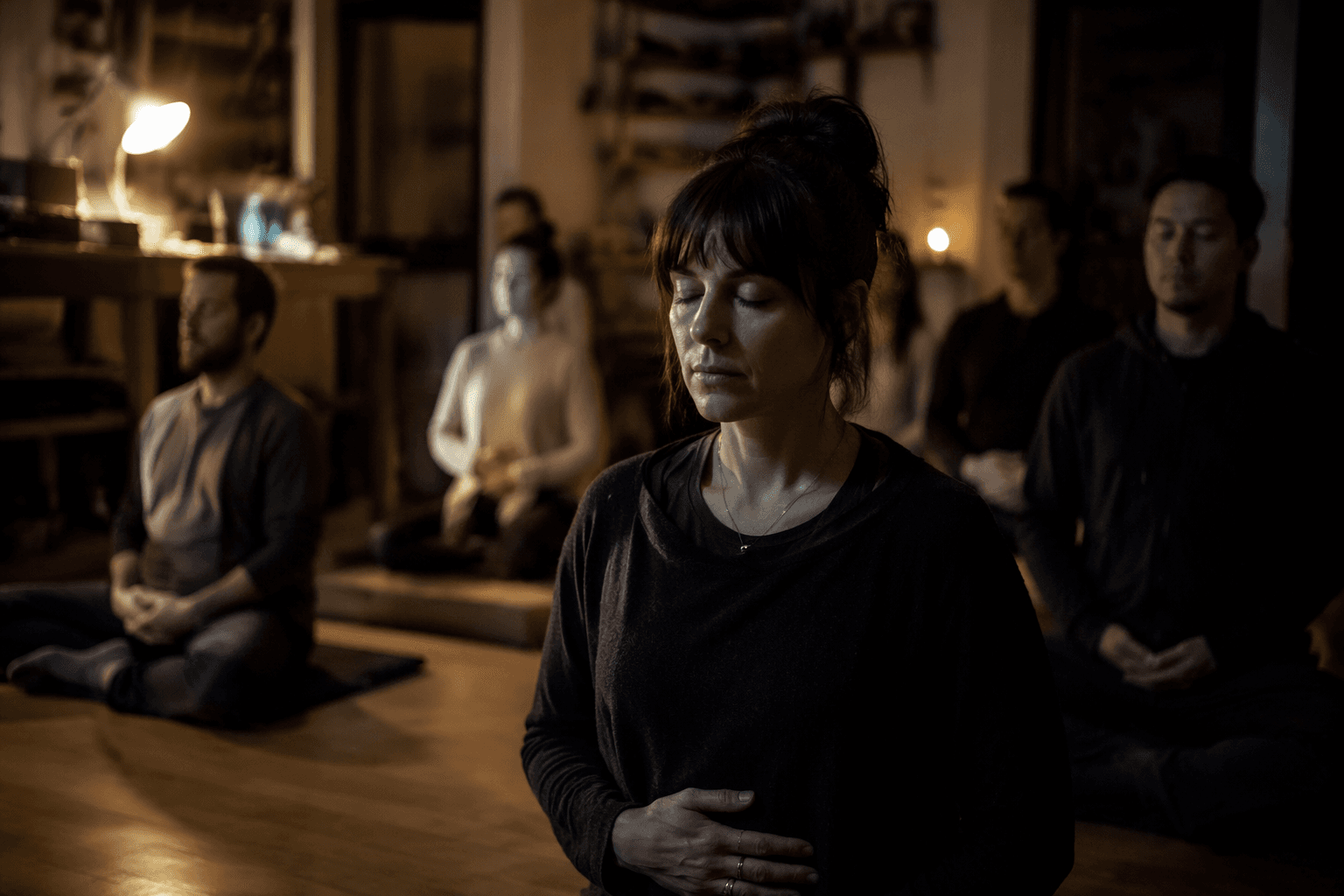
The appeal of both offerings matched what public health guidance has long suggested. The National Center for Complementary and Integrative Health says meditation and mindfulness may help reduce symptoms of anxiety, depression, post-traumatic stress disorder, insomnia, and sleep problems. It also describes mindfulness-based stress reduction as a structured program that pairs meditation with discussion and other ways to apply the practice to stressful experiences. The World Health Organization has likewise noted that a few minutes each day can be enough to practice stress self-help techniques.
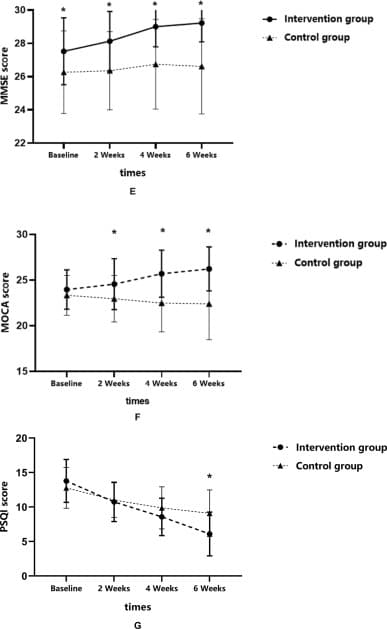
The Columbus class also drew strength from the practice it named. Anapanasati comes from the Ānāpānasati Sutta, the foundational Buddhist text on mindfulness of breathing, which gives the session a lineage that goes well beyond modern productivity culture. A 2024 meta-analysis indexed by PubMed found mindfulness-based interventions improved depression, anxiety, quality of life, and working memory compared with controls, with shorter-than-eight-week programs showing stronger gains in anxiety and quality of life than longer ones.
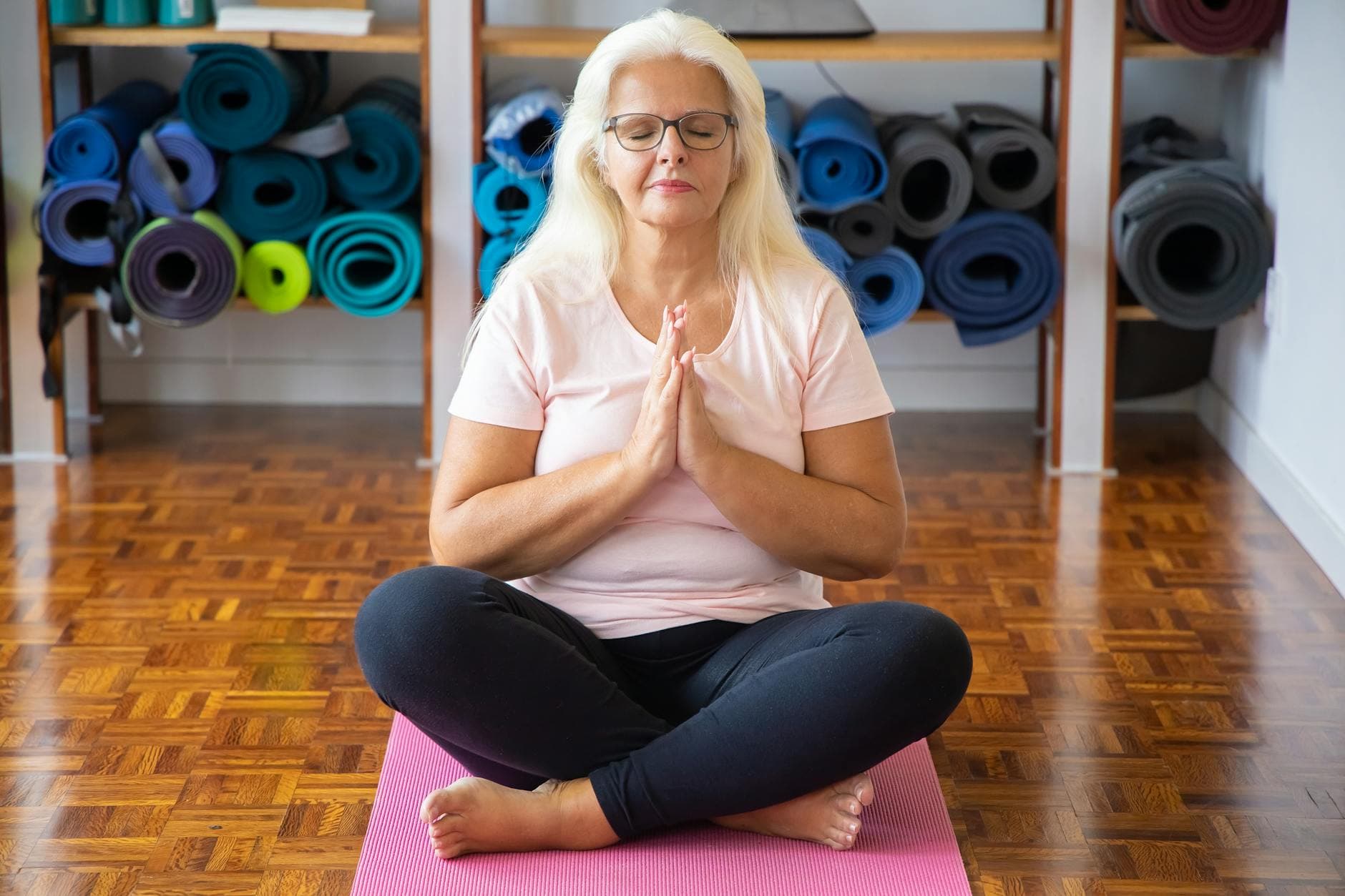
That combination, a named practice, a recurring Sunday slot, and a donation model, is what makes the Columbus listing feel especially useful. For people who have been waiting for the right moment to begin, it offered something better than inspiration: a breath-based class that was cheap, repeatable, and easy to put on the calendar.
This article was produced by Prism’s automated news system from verified source data, official records, and press releases, then run through automated quality and moderation checks before publishing. The system is built and supervised by the people who set the standards it runs under. Read our full AI policy.
Did this article answer your question?