Dallas College offers drop-in mindfulness meditation session July 13
Dallas College’s drop-in meditation hour is one of the lowest-friction ways to try mindfulness: one hour, hybrid, and easy to leave if your day blows up.
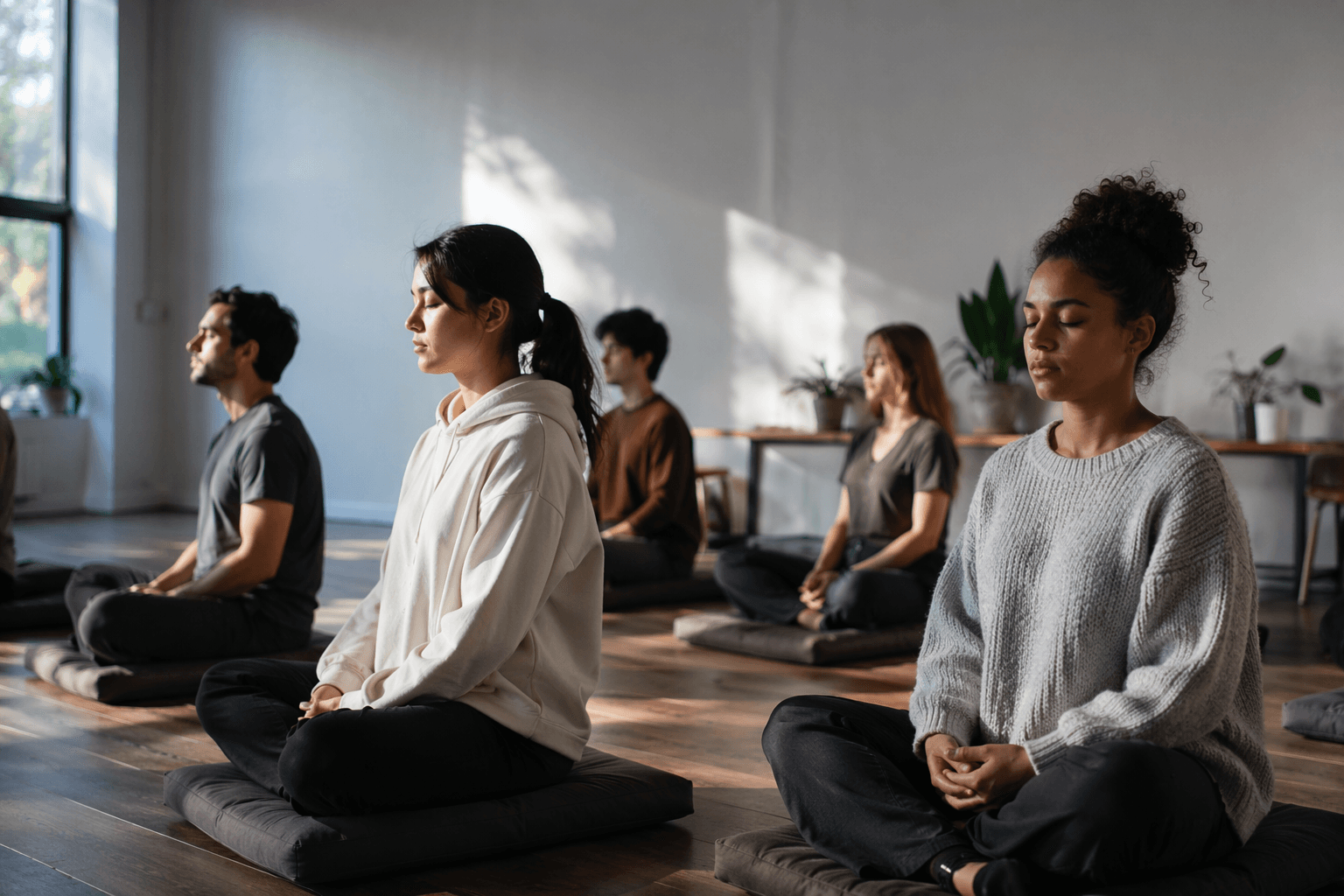
Dallas College is making meditation about as easy as campus wellness gets: one hour, a counselor at the front of the room, and a drop-in format that lets you arrive late or slip out early if your schedule gets messy. Meditation Monday NLC 7/13-27 runs Monday, July 13, 2026, from 1 p.m. to 2 p.m., and you can attend in person or virtually. For a first-timer who wants to test mindfulness without committing to a multi-week class, that is the real selling point.
What happens in the session
This is not a vague wellness talk or an abstract lecture about being present. The session is a guided mindfulness meditation led by a counselor, and the structure is simple enough to lower the intimidation factor: a short explanation of mindfulness, a period of practice, then questions and a brief discussion. If you have never meditated before, that opening explanation gives you a frame before you sit down and try it. If you already practice, the hour still works as a steady, low-pressure reset rather than a performance.
The drop-in format is part of the utility here. You do not have to treat it like an all-or-nothing appointment, and participants can come late or leave early if needed. That flexibility fits the way student life actually works, especially during summer term when work shifts, commuting, family obligations, and class deadlines can collide without warning.
Who is leading it
The session is being facilitated by Aubrey Webster, a CAPS counselor at Dallas College. Webster’s specialties include mindfulness and meditation, depression and anxiety, trauma recovery, academic distress, career and relational issues, stress management, and support for LGBTQIA+, neurodiverse, first-generation, and nontraditional students.
You are not walking into a performance where you need to know the right cushion, the right posture, or the right vocabulary. You are walking into a counselor-led campus session built for ordinary stress, the kind that piles up when school, work, and life all demand attention at once.
Why it is a sensible first try
This is a low-stakes way for a busy student to try mindfulness. The hour is short, the format is guided, and the college gives you two access points, in person and virtual, so you are not locked into one logistics headache. The event page was updated on June 26, 2026.
The practical appeal is that you get a real taste of meditation without needing a streak, an app subscription, or the discipline to build a routine on your own first. You are not being asked to believe in mindfulness up front; you are being asked to sit for a guided hour and see whether the format helps your attention settle even a little.
What you can realistically expect to feel
Do not expect a cinematic moment of instant calm. A first session usually feels more like learning the mechanics of paying attention than achieving some perfect blank-mind state. You may notice your thoughts jump around, your shoulders stay tense, or your to-do list keep barging in, and that is normal for a guided practice.
The session gives you a controlled place to notice that pattern without turning it into a failure. The explanation comes first, practice second, and questions come at the end, making it easier to understand what mindfulness is supposed to do in real time: give you a repeatable way to notice stress without immediately getting dragged by it.
How Dallas College fits the session into broader support
Meditation Monday is only one piece of Dallas College Counseling and Psychological Services. CAPS provides free mental health counseling services, and its counselors are licensed professionals with master’s or doctoral degrees. Students enrolled for the current semester who are 18 or older can receive professional counseling sessions at no cost.
CAPS workshops also support academic skills, career exploration, career decisions, and personal growth. The college also offers 24/7 phone support at 972-860-HELP.
Why the format is backed by real evidence
Meditation and mindfulness may help people manage anxiety, stress, and depression, the National Center for Complementary and Integrative Health says. Mindfulness-based stress reduction is a structured intervention that includes weekly group classes and daily mindfulness exercises, the American Psychological Association says.
A 2023 meta-analysis found that mindfulness-based interventions had significant effects on reducing depression, anxiety, and stress scores in college students while improving sleep quality. Separate student-focused research found that a six-week yoga and meditation program reduced stress and anxiety.
This article was produced by Prism’s automated news system from verified source data, official records, and press releases, then run through automated quality and moderation checks before publishing. The system is built and supervised by the people who set the standards it runs under. Read our full AI policy.
Did this article answer your question?