Dharma Drum Mountain Chicago offers beginner Chan meditation class
A beginner Chan class in Chicago pairs breathing, posture, and moving meditation with lunch and scholarships, making first-time practice feel structured, not intimidating.
A clear first step into Chan practice
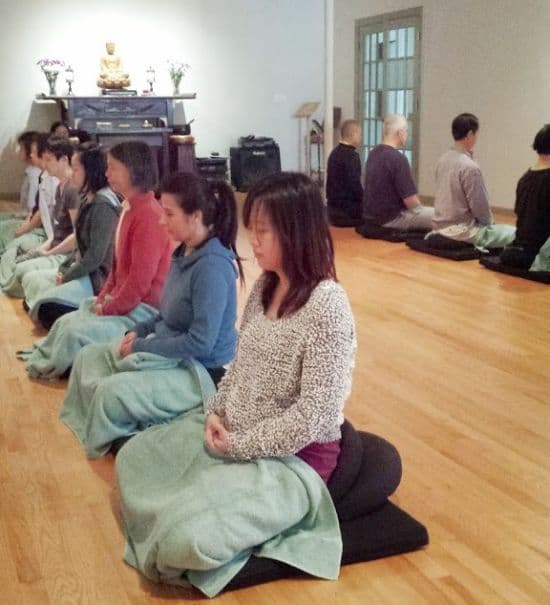
Dharma Drum Mountain Chicago is setting up a beginner class that does something many meditation events do not: it tells newcomers exactly what they will learn, who will lead it, and what the room will feel like. The May 16, 2026 session is built around Chan, the Zen Buddhist tradition, with an emphasis on relaxation, breathing methods, and focused attention rather than vague wellness talk.
That clarity is the draw. The class is explicitly framed for beginners, but it also welcomes people who want a review of the basics, which makes it useful for anyone who has felt unsure about where to start or who wants a more grounded return to practice.
What the class covers
Teacher Iris Wang will lead the session with a lecture on basic meditation practice, including tools, postures, methods, and the theory behind Chan Buddhist meditation. That is a strong signal that this is not just a sit-and-silence gathering. It is designed as an introduction to the framework of the practice itself, which can be especially helpful for people who want to understand why they are sitting a certain way, breathing a certain way, and paying attention in a certain manner.
The class also includes the eight-form moving meditation associated with Master Sheng Yen. That detail matters because it gives the event a concrete practice component, not just an abstract promise of calm. For beginners, the moving form can make meditation feel more approachable by giving the body a role in the process, while still keeping the class anchored in Chan tradition.
Why this format works for newcomers
For people who feel intimidated by meditation culture, a Chan format can be a welcome alternative to more free-form approaches. The structure is visible from the start: there is a teacher, a lecture, defined techniques, and a traditional lineage behind the material. Instead of asking newcomers to improvise their way into mindfulness, the class gives them a set of steps and an explanation of how the practice fits together.
That matters for beginners who are still trying to figure out the difference between posture, breathing, concentration, and movement. It also makes the class a practical refresher for anyone who has meditated before but wants a cleaner reset, especially in a community setting where the basics are explained plainly.
Iris Wang brings lineage and experience
Wang’s background gives the class extra weight. She began Chan practice in 1992, attended retreats, became a certified meditation teacher in 2003, and now leads weekly meditations and Dharma talks. That combination of long-term practice and teaching experience suggests a class that is grounded in tradition but still accessible to people walking in for the first time.
Her role also helps explain why the event is more than a simple beginner session. A teacher with retreat experience and years of public teaching can translate a tradition that may sound formal or unfamiliar into something a local audience can actually use. For someone new to Chan, that kind of guidance can make the difference between feeling lost and feeling oriented.
The practical details lower the barrier
The class page is unusually helpful on the basics of attendance, which makes the event feel welcoming rather than fussy. Participants will get a vegetarian lunch, and scholarships are available for anyone who needs financial help. That combination signals that the organizers are thinking about access, not just instruction.
The listing also covers the small but important logistics that often make or break a first visit:
- check-in guidance
- clothing expectations
- shoe guidance
- scent-free etiquette
- timing details
Those points may sound minor, but they are exactly what many first-timers want to know before they enter a meditation space. Clear expectations reduce social friction and help newcomers focus on the practice itself instead of worrying about whether they are dressed correctly or arriving in the right way.
Why it stands out in the mindfulness landscape
This class reflects a broader pattern in mindfulness communities: the most inviting beginner programs are often the ones that can explain their method without diluting it. Here, the appeal is not just relaxation. It is the combination of Chan theory, breathing methods, posture, moving meditation, and a teacher with a long practice history.
For readers deciding whether this kind of event is worth showing up for, the answer is straightforward. If you want a class that tells you what Chan meditation is, how it is practiced, and how to enter it without guessing, this is the model to look for. It offers a tradition-based introduction, a real teaching structure, and enough practical guidance to make a first visit feel manageable from the moment you arrive.
This article was produced by Prism’s automated news system from verified source data, official records, and press releases, then run through automated quality and moderation checks before publishing. The system is built and supervised by the people who set the standards it runs under. Read our full AI policy.
Did this article answer your question?