Forbes Health ranks the best meditation apps for 2026
The best meditation app depends on what you actually want, from a free library to sleep support, journaling, or community, and Forbes’ 2026 pricing makes the tradeoffs plain.
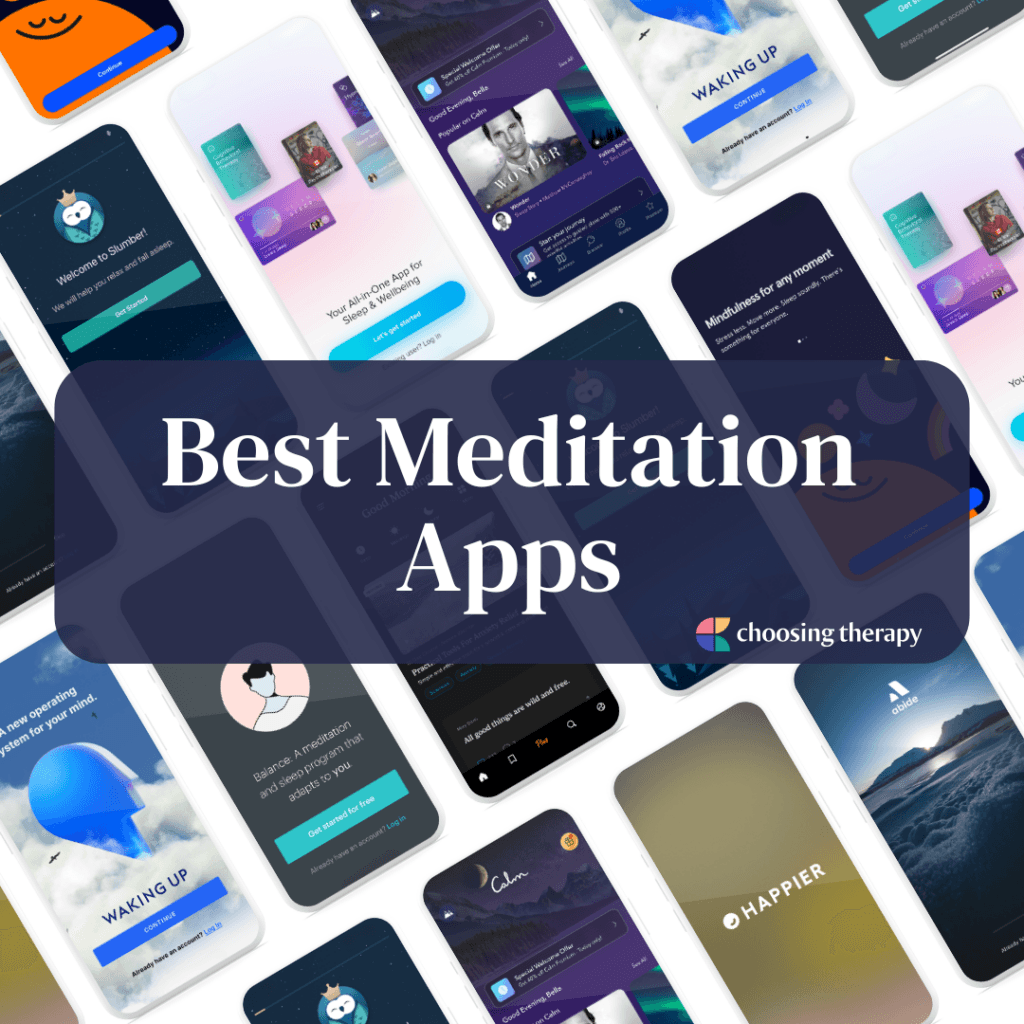
1. Insight Timer, best value
The paywall question lands first here: Forbes Health names Insight Timer the best-value pick because it offers a free version, then asks $9.99 a month or $59.99 a year if you want to go further. Insight Timer says its library includes more than 280,000 guided meditations and 17,000 teachers, which is why it feels like the deepest free-entry option.
2. Meditopia, best DIY
If you want something more guided than a giant open library, Forbes puts Meditopia in the best-DIY slot. It comes with a one-week free trial, then runs $17.99 monthly or $79.99 annually, so the real question is whether you want to pay for structure.
3. Calm, best access
Calm is the access play in the Forbes ranking, and its own listing leans hard into sleep, meditation, and relaxation. It offers a one-week free trial and an annual subscription of $79.99, while Google Play shows 50M+ downloads, which tells you how mainstream this lane has become.
4. Beyond Meditation, best for journaling
Beyond Meditation is the one to watch if your practice works better when you can write it down afterward. Forbes gives it a free version, with pricing at $11.99 monthly or $69.99 yearly, so it sits in the middle of the pack on cost.
5. Sattva, best for community
Sattva wins the community label, and the pricing helps explain why it also reads as a value pick. Forbes lists a free version, $12.99 monthly, and $49.99 annually, which makes it the lowest annual cost among the named top picks.
6. Start with the free tier if you are still testing the habit
This guide is useful because it acknowledges the first decision is not spiritual, it is financial. If you want to see whether meditation actually fits your day, Insight Timer’s free tier gives you the most room to experiment before you spend.
7. Choose Calm if sleep is the real reason you are downloading
Calm’s own store copy centers sleep first, then stress, meditation, and relaxation, so it is the obvious pick when bedtime is the pain point. Forbes’ best-access label fits that use case well, because the app is built to feel easy to enter and easy to return to.
8. Choose Meditopia if you want a trial before a bigger commitment
A one-week free trial is long enough to find out whether daily prompts, course structure, and session tone actually work for you. Meditopia’s $17.99 monthly price is the steepest on the list, so it makes sense only if the DIY feel is worth the premium.
9. Choose Beyond Meditation if reflection is part of the practice
Journaling changes the shape of meditation from a one-off pause into a habit you can revisit. Forbes’ labeling makes Beyond Meditation the clearest match for anyone who wants to notice patterns, not just complete sessions.
10. Choose Sattva if solo practice feels incomplete
Community matters when consistency is the challenge, not just content. Sattva’s free version and lower annual price give it a friendlier on-ramp than many subscription-heavy apps.
11. Trust the prices as a snapshot, not a promise
Forbes says it pulled prices directly from the mobile apps themselves, which means the numbers are what the apps showed at review time. It also warns that prices may change, so the monthly-versus-annual math is the part to watch.
12. Don’t ignore annual pricing if you plan to keep going
The annual plans matter more than the sticker shock on the monthly tier, especially if you already know you meditate most days. Forbes’ list makes the spread obvious, from Insight Timer’s $59.99 annual plan to Meditopia and Calm at $79.99.
13. Platform access is no longer the differentiator
All of the apps Forbes listed are available on iOS and Android, so the choice is about fit, not phone loyalty. That strips away one of the oldest excuses for delaying the download.
14. The guide is broad enough to be a real market read
Forbes says its editorial team analyzed data on 40 apps, so this is not just a polished product list. It is a comparison of the market’s actual shape.
15. Cost was only one of the ranking lenses
Forbes also scanned the types of meditations offered, added features, and other factors before naming its picks. That matters because a meditation app is not just audio, it is habit design.
16. Meditation is now a mainstream consumer category
NIH and NCCIH say the share of U.S. adults who practiced meditation more than doubled between 2002 and 2022, rising from 7.5 percent to 17.3 percent. That growth helps explain why app shopping now feels more like choosing a streaming service than joining a niche wellness club.
17. The strongest app list follows the biggest use case shift
Meditation is no longer just for people chasing a spiritual identity, it is for people chasing sleep, stress relief, and daily steadiness. That is exactly the frame Forbes uses when it turns app shopping into a practical budget-and-fit question.
18. NCCIH keeps the health framing grounded
The National Center for Complementary and Integrative Health says meditation and mindfulness are commonly studied for anxiety, depression, pain, and high blood pressure. That makes the app decision feel less like self-help theater and more like choosing a tool with a known purpose.
19. Safety is still not a blank check
NCCIH also says the evidence on harms and safety is incomplete, so a good app should be judged on usefulness, not miracle claims. That is another reason Forbes’ cost-and-feature comparison is more helpful than vague wellness marketing.
20. Insight Timer is the deepest free library in the bunch
Its official site says the platform has more than 280,000 guided meditations and 17,000 teachers, which is an unusually large free ecosystem. For someone who wants range without paying immediately, that scale is the whole point.
21. Insight Timer also has real community weight
The app says 20 million people use it, and that kind of scale helps explain why the free model feels sustainable rather than stripped down. If you want a crowded commons instead of a gated course, this is the lane.

22. Calm’s scale shows why sleep apps dominate this category
Google Play lists Calm at 50M+ downloads, which puts it in the rarefied air of mass-market wellness apps. That scale matches its positioning around sleep stories, relaxing sounds, and everyday stress.
23. Calm is the clearest sleep-support answer
If your meditation habit starts at night, Calm is built for that use case first. The app store description highlights sleep better, anxiety reduction, breathing exercises, and guided sessions that fit a busy schedule.
24. Meditopia is the premium DIY bet
At $17.99 a month, Meditopia asks you to believe that its structure will hold your attention better than a free library. The one-week trial makes that gamble easier to test before you commit.
25. Meditopia’s annual price still signals serious intent
The $79.99 yearly plan puts it in the same premium bracket as Calm, so it is not the budget choice. It is the choice for people who want a more self-directed feel without surrendering to chaos.
26. Beyond Meditation gives journaling a cheaper lane
Its $69.99 annual plan undercuts Calm and Meditopia, which makes it appealing if reflection, not celebrity polish, is what you want. That is a useful tradeoff for meditators who like to write as they practice.
27. Sattva is the value play for people who want a group feeling
At $49.99 a year, it is the least expensive annual subscription among Forbes’ named picks. If you want community features without paying a top-tier price, that gap matters.
28. Sattva’s free version lowers the barrier even more
A free tier means you can test whether a community-oriented app actually makes you more consistent before you subscribe. In mindfulness, that first month is often the difference between a habit and another abandoned download.
29. Insight Timer’s annual plan sits in a middle lane
At $59.99 a year, it is not the cheapest paid option, but it is far from the top of the market. That middle ground fits users who want more than free access without moving into premium-app territory.
30. Insight Timer’s monthly price is low enough to experiment
The $9.99 monthly rate is small enough that it functions like a test subscription, not a commitment ceremony. That is ideal if you are still figuring out whether guided meditation, timers, music, or live sessions matter most.
31. Calm earns its price when sleep is the recurring problem
Its $79.99 annual subscription only makes sense if you will actually use the bedtime tools, stories, and relaxation library repeatedly. Otherwise, the cheaper or free options will do the same basic job.
32. The one-week Calm trial is short, but it tells you a lot
A week is enough to see whether the tone, pacing, and sleep tools fit your evening routine. If they do, the annual plan looks much easier to justify.
33. Headspace still looms over the whole category
Even when Forbes is ranking other apps, Headspace remains the benchmark rival in digital mindfulness. That is why any serious comparison of meditation apps still ends up talking about it.
34. Headspace’s download count gives it serious reach
A peer-reviewed paper describes Headspace as a popular digital mental health platform with over 100 million downloads. That makes it more than a brand, it is part of the category’s definition.
35. Headspace also brings unusual research depth
The same paper says Headspace is supported by more than 50 published peer-reviewed studies. In a market full of polished promises, that kind of research footprint is part of the trust equation.
36. Evidence is now a competitive feature
When one app can point to 100 million downloads and 50-plus studies, and another is selling itself on community or journaling, you are really choosing what kind of credibility you want. That is the subtext of Forbes’ comparison.
37. Habit-building is the real daily use case
The best app for a new routine is the one that gets you back tomorrow, not the one with the longest feature list. Forbes’ ranking makes that clear by separating value, access, DIY structure, journaling, and community.
38. Anxiety resets favor short, easy entry points
NCCIH says mindfulness and meditation are studied for anxiety, and the app stores for Insight Timer and Calm both emphasize quick access to calming sessions, breathing, and sleep support. For a stressed mind, friction is the enemy.
39. Deeper guided practice usually lives in the paid tiers
Once you want more structure, more teachers, or more specialized content, the subscriptions start to matter. That is where Forbes’ rankings become useful, because they show exactly which app asks you to pay for which kind of depth.
40. The best app is the one that solves tomorrow morning
If the paywall buys better sleep, steadier habits, journaling, or a sense of community, it is doing its job. Forbes’ 2026 guide turns meditation into a concrete consumer choice, and that is the part readers can act on today.
This article was produced by Prism’s automated news system from verified source data, official records, and press releases, then run through automated quality and moderation checks before publishing. The system is built and supervised by the people who set the standards it runs under. Read our full AI policy.
Know something we missed? Have a correction or additional information?
Submit a Tip