Four Foundational Habits to Shape Your 2026 Mindfulness Practice
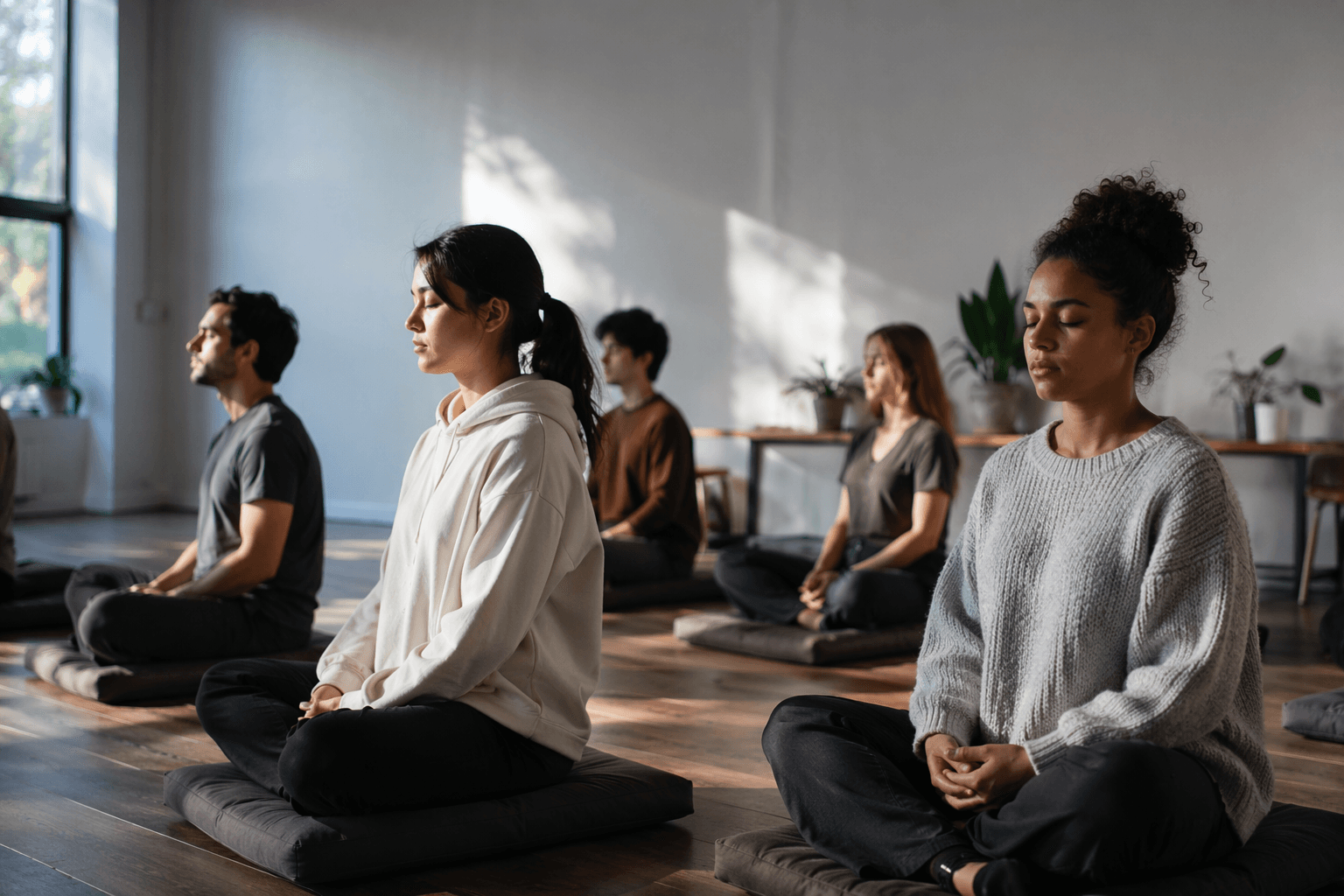
A practical four-habit plan laid out a clear roadmap for New Year habit formation, prioritizing meditation, aerobic exercise and stretching, deep reading, and restorative social space for 2026. Meditation was presented as an accessible cornerstone, with simple beginner steps, find a quiet corner, set a 5-10 minute timer, and use the breath as an anchor, to strengthen concentration, creativity, and emotional balance.
A concise four-habit approach aimed at New Year habit formation identified meditation as the central practice to build this year, supported by aerobic exercise and stretching, deep reading, and investment in restorative social connections. The plan positioned short, regular meditation sessions as an accessible entry point that can amplify the benefits of other habits and sustain long-term change.
Beginners were given straightforward, actionable guidance on meditation: locate a quiet corner, set a short timer for 5-10 minutes, and use the breath as a present-moment anchor. That simple framework lowers the barrier to starting and helps preserve momentum when schedules get busy. Starting with brief sessions reduces the intimidation factor and makes it easier to turn practice into a daily routine.
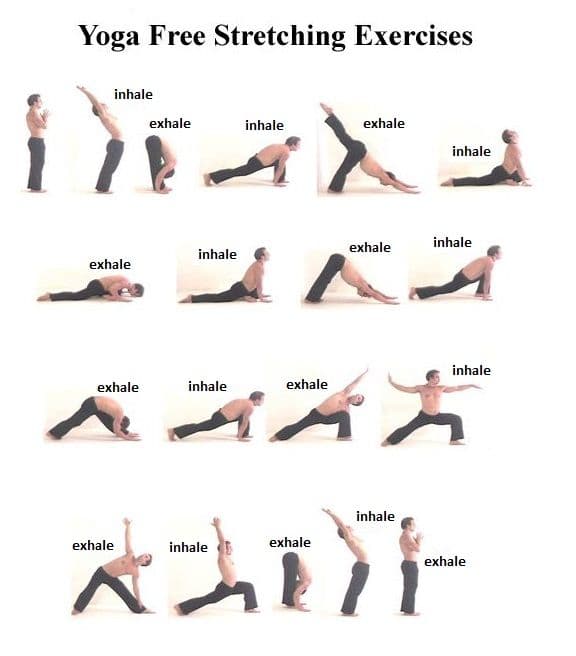
Aerobic exercise and stretching were recommended as complementary practices, with walking and yoga singled out as activities that pair well with meditation. Combining movement and stillness supports physical stamina and flexibility while reinforcing attention skills developed in seated practice. Pair a short meditation before or after a walk or yoga session to extend the focus cultivated on the cushion into the body.
Deep reading was highlighted as a habit that strengthens sustained attention and expands the mind. Treat reading sessions as focused practice: choose material that challenges attention without overwhelming it, set aside discrete time blocks, and resist multitasking. The sustained attention exercised during deep reading translates directly to clearer thinking and improved concentration elsewhere.

Building restorative social space completes the set. Nurturing friendships and deeper connections offers emotional replenishment that formal practice alone cannot supply. Prioritize time for honest conversation and low-pressure gatherings that allow reflection and mutual support. Restorative social habits help maintain motivation and give the cognitive gains from meditation and reading a relational context.
For readers aiming to establish lasting habits in 2026, the practical value is immediate: begin with a manageable meditation routine, pair movement and stillness, cultivate focused reading, and protect time for true social restoration. Each habit reinforces the others, and together they support concentration, creative thinking, and emotional balance. Small, consistent actions build resilience; start with 5-10 minutes of breath-focused practice and let the other habits grow around that steady center.
This article was produced by Prism’s automated news system from verified source data, official records, and press releases, then run through automated quality and moderation checks before publishing. The system is built and supervised by the people who set the standards it runs under. Read our full AI policy.
Did this article answer your question?