Gen Z Embraces Intentional Boredom and Silence to Reset Attention Spans
TikTok creators @katend06, @bjbuter and @indicaidiot67 filmed themselves sitting in silence with no phones or screens, drawing millions of views.
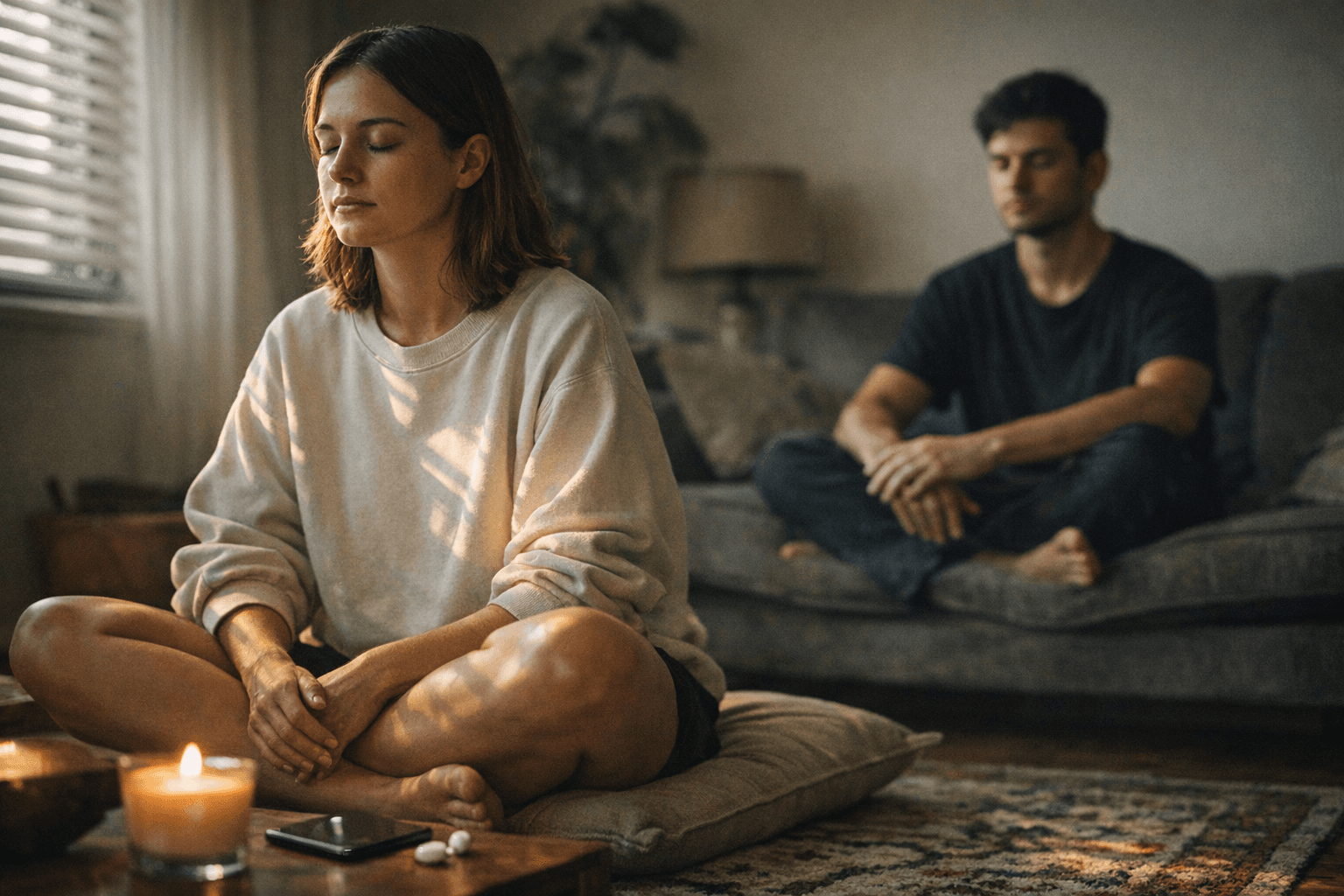
Across TikTok, a deceptively simple challenge has been pulling millions of viewers into a shared moment of collective discomfort: just sit there and do nothing. No phone, no music, no television. Set a timer and wait.
Creators including @katend06, @bjbuter and @indicaidiot67 have been documenting their attempts at what the platform calls the "do nothing" challenge, posting videos of themselves sitting in silence as part of a growing wellness trend centered on intentional boredom. The videos, which capture the fidgeting, the awkward glances, and the sheer weirdness of enforced stillness, have drawn millions of views and reactions.
The appeal lands squarely on a generational fault line. For a generation raised on constant scrolling, streaming and notifications, the idea of sitting quietly with nothing to do has become a surprisingly compelling challenge. Research has suggested that constant exposure to short-form video content may negatively impact attention spans, making deliberate moments of stillness increasingly appealing to the very audience most saturated by it.
Psychotherapist Stephanie Sarkis weighed in on the trend, noting that "balancing entertainment with intentional boredom can support mindfulness and improve overall quality of life." Experts have broadly framed the practice as a form of emotional processing, one that gives the nervous system a rare chance to idle rather than react.
The concept is simple: set a timer, resist digital distractions, and see what happens when the mind has nowhere else to go. In practice, participants report that the silence feels uncomfortable and unfamiliar, at least at first. For others, the challenge has become a rare opportunity to slow down, reflect and reconnect with their thoughts in a digital world that rarely stops moving.
The fact that Gen Z is documenting and sharing its own attempt at unplugging, on the very platform associated with the overstimulation it is trying to counter, is not lost on the mindfulness community. Intentional boredom is not a new concept in contemplative practice, but its emergence as a viral TikTok format signals something worth paying attention to: a generation reaching, however awkwardly, for stillness.
This article was produced by Prism’s automated news system from verified source data, official records, and press releases, then run through automated quality and moderation checks before publishing. The system is built and supervised by the people who set the standards it runs under. Read our full AI policy.
Did this article answer your question?