Harvard explains how advanced meditation changes the brain
Harvard's latest meditation piece shifts past beginner stress relief and into what long-term practice may change in attention, self-awareness, and emotional regulation.
If you already use mindfulness to calm down after a rough day, the real question is whether it is worth going deeper. Harvard’s latest Gazette piece, “Your brain on advanced meditation,” treats that tradeoff as a neuroscience problem, not a wellness slogan: what actually changes when practice moves beyond beginner breath work and into long-term training?
That framing matters because the field is crowded with broad claims and app-store hype. Harvard University’s own mindfulness materials say the evidence points to lower stress and anxiety, plus better mood and emotional regulation, but the more interesting question for regular practitioners is what changes with experience, not just with a single class or a short challenge.
What Harvard means by “advanced”
The Meditation Research Program at Massachusetts General Hospital and Harvard Medical School, led by Dr. Matthew D. Sacchet, defines advanced meditation as deeper engagement with meditative practices that, with time and mastery, produce refined states of mind and awareness. That is a useful distinction because it separates casual stress management from sustained training.
In practice, that usually means moving past the early basics. Beginners often work with breath awareness or body scans; more advanced practitioners spend longer stretches cultivating sustained attention, open monitoring, or compassion-based practice. The point is not to turn meditation into a performance metric, but to recognize that years of repetition can change the skill itself.
The program’s paper, “Mindfulness, cognition, and long-term meditators: Toward a science of advanced meditation,” puts long-term practitioners at the center of the conversation. Its author list includes Sebastian Ehmann, Idil Sezer, Isaac N. Treves, John D.E. Gabrieli, and Matthew D. Sacchet, which is a strong signal that this is being treated as serious cognitive science, not just a lifestyle topic.
What seems to change in the brain
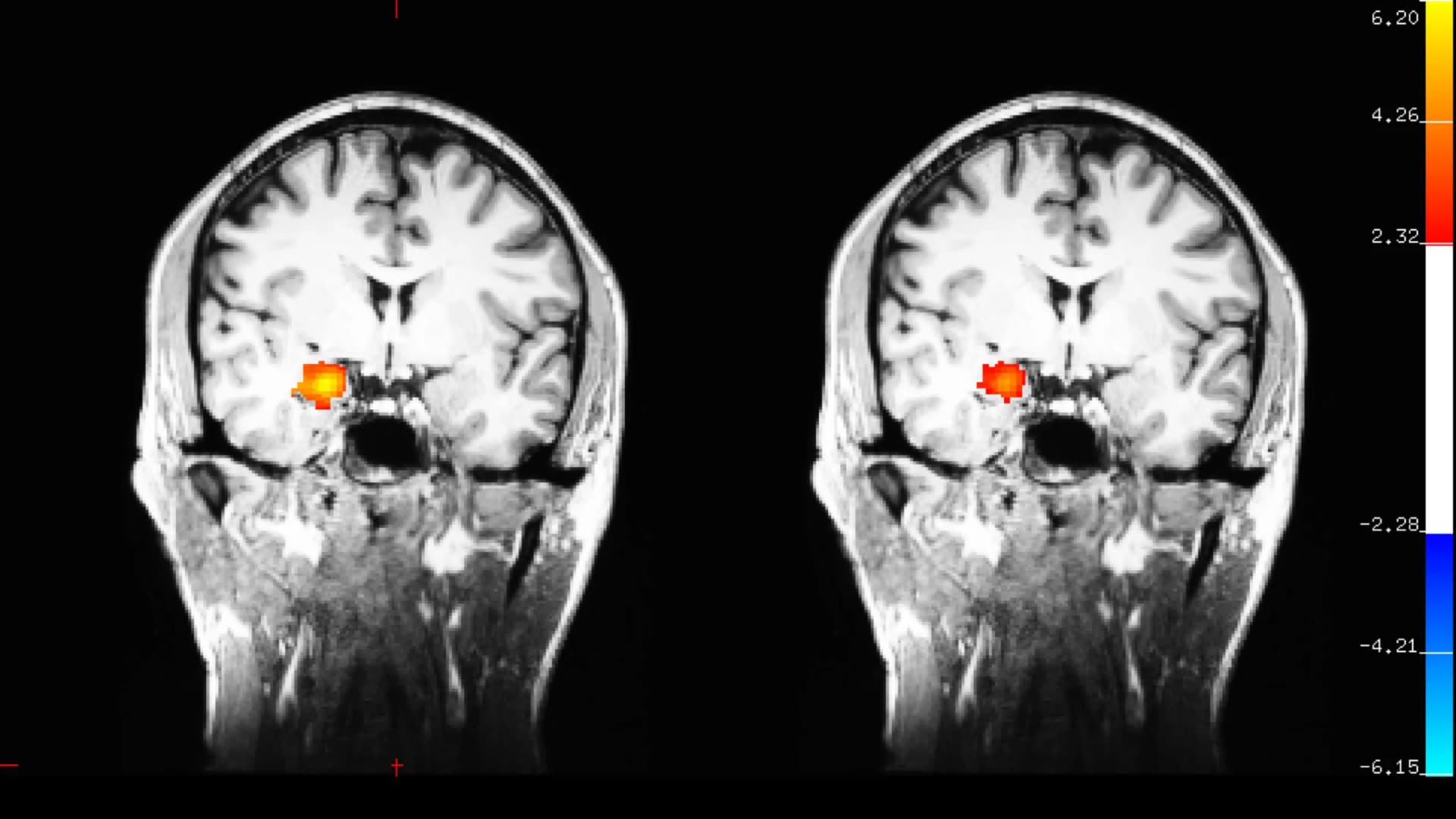
The older Harvard material gives the clearest clue about the kinds of changes researchers have been tracking for years. Harvard Gazette published “Eight weeks to a better brain” in 2011, and the headline captured the original hook: even a short, structured practice period might produce measurable brain differences. A Harvard-related eight-week MRI study reported that 30 minutes of daily meditation was associated with increased gray matter density in the hippocampus and in structures related to self-awareness.
That lines up with another 2011 finding that mindfulness practice can increase regional brain gray matter density. The exact interpretation of those changes has always been debated, but the practical message is straightforward: meditation was not just showing up as a subjective sense of calm. It was being tied to brain regions associated with memory, learning, and self-referential processing.
Later Harvard coverage kept pushing that same question into more clinical territory. In 2018, Harvard Gazette published “Harvard researchers study how mindfulness may change the brain in depressed patients,” while Harvard Health Publishing ran “Mindfulness meditation practice changes the brain.” Those pieces helped cement a recurring Harvard theme: meditation is worth studying because it may be measurable in the brain, not just in mood.
Why long-term meditators are a different category
The newer advanced-meditation work matters because it looks at people who have practiced long enough to become a distinct comparison group. A 2018 University of Wisconsin–Madison news release said long-term meditators, new meditators, and non-meditators showed different emotion-network activity on fMRI. That is the kind of finding that pushes researchers to stop treating meditation as one uniform intervention.
Mount Sinai added another piece in February 2025, saying new research found meditation induces changes in deep brain areas associated with memory and emotional regulation. Taken together, these studies suggest the field is moving from “does meditation help at all?” to “what changes when practice becomes sustained, skilled, and stable?”
That shift is exactly why the Harvard/MGH framing is more useful than generic advice. Advanced practice may not just make you a calmer version of your beginner self. It may alter how attention holds, how quickly emotional reactivity spikes, and how much you identify with passing mental noise. That is a more interesting and more demanding claim, and it is the one serious practitioners should care about.
What this does not mean for everyday meditators
This is where the caveat matters. Findings from long-term meditators do not mean a weekend app streak will produce the same brain patterns. Harvard’s social post highlighted a huge mainstream audience, noting that the top 10 smartphone meditation apps had a combined 300 million downloads worldwide, but download numbers are not the same thing as depth of practice.
That is the biggest practical split in the story. Beginner-friendly mindfulness can still help with stress, anxiety, mood, and emotional regulation, which is already a strong value proposition. But the advanced-meditation research asks a different question: what happens when practice is consistent enough to become a mental discipline, not just a coping tool?
For most people, that means the lesson is not to chase mystical claims or expect dramatic brain rewiring after a few sessions. It is to treat meditation like a trainable skill. The more time, structure, and repetition you put in, the more likely you are to notice changes in attention stability, reactivity, and self-awareness that go beyond simple relaxation.
Why Harvard keeps returning to this topic
Harvard’s mindfulness materials were last updated in May 2026, which shows this is still an active university topic, not a one-off feature. The LinkedIn post promoting “Your brain on advanced meditation” drew 29 comments, a small but telling sign that the science-forward framing is resonating with readers who want more than vague wellness language.
The reason Harvard keeps revisiting the subject is obvious if you trace the arc from 2011 to now. Early work asked whether eight weeks could shift the brain at all. Later work looked at depression, brain mechanisms, and emotional networks. The latest version turns to advanced practitioners and asks what a mature meditation practice changes once the basics are no longer the main story.
If you already sit every day, the useful takeaway is simple: the next layer is not more intensity for its own sake, but more consistency and clearer technique. If you are still weighing whether to go deeper, Harvard’s own research path suggests the real dividend shows up over time, in attention, emotional regulation, and the quieter sense of awareness that makes practice feel different from a quick stress fix.
This article was produced by Prism’s automated news system from verified source data, official records, and press releases, then run through automated quality and moderation checks before publishing. The system is built and supervised by the people who set the standards it runs under. Read our full AI policy.
Did this article answer your question?