How adolescents use mindfulness after programs end in daily life
Teens may use mindfulness at school, home, and in conflict, but the real test is whether the habit survives after class ends. This study follows that transfer, not just the worksheet gains.
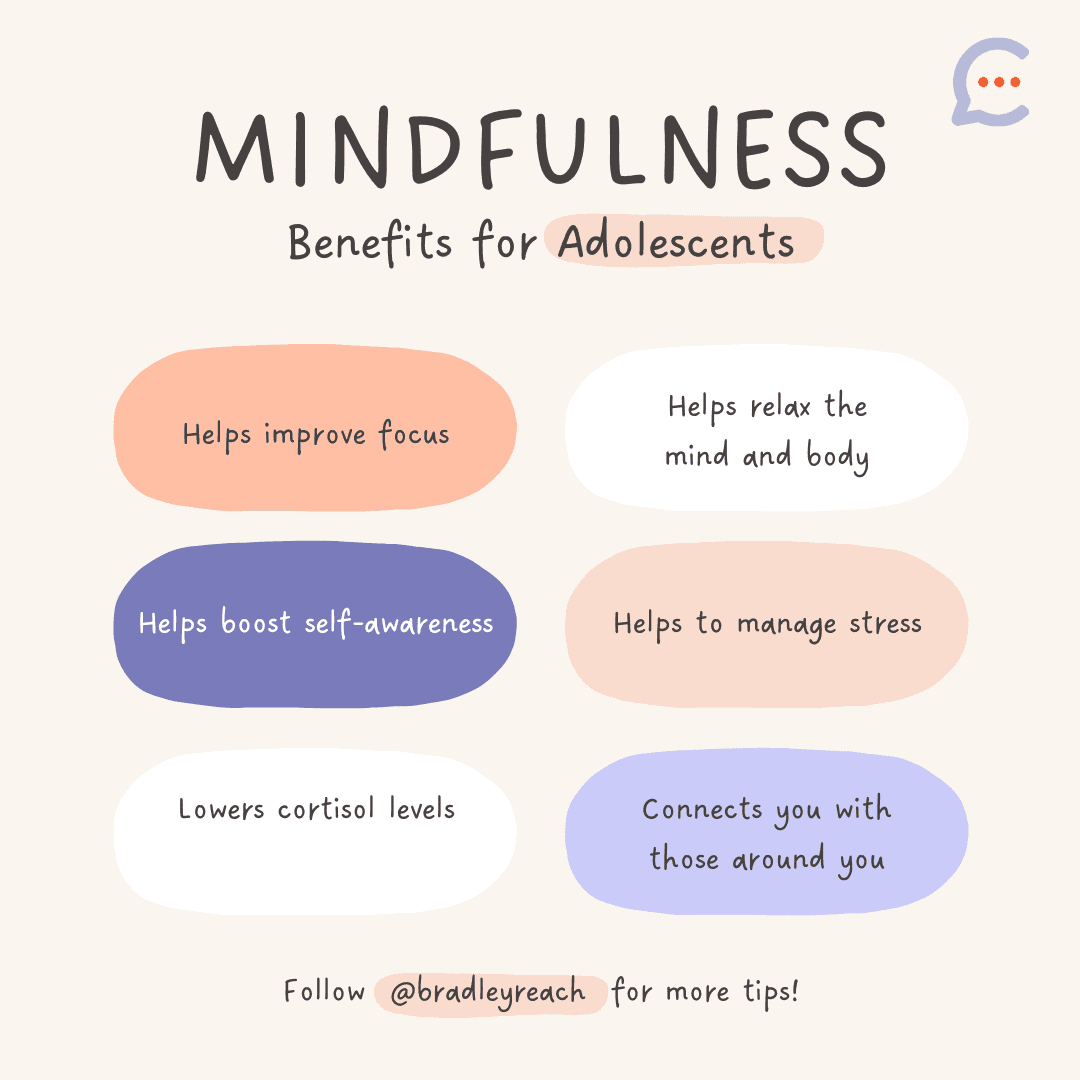
When the retreat ends and the teacher leaves, a teenager walks back into a noisy home, a crowded hallway, or a fight with a friend. The new qualitative study asks whether adolescents actually carry mindful attention, breathing, and pause-before-reacting habits into ordinary life, rather than just showing short-term symptom scores in the controlled world of a program room during a stage shaped by identity search, academic pressure, conflict, and social strain.
Why the transfer question matters
The World Health Organization estimates that one in seven 10- to 19-year-olds globally experiences a mental disorder, and lists depression, anxiety, and behavioural disorders among the leading causes of illness and disability in this age group. Adolescence is a crucial period for building social and emotional habits that support mental well-being, while exposure to adversity, peer pressure, violence, harsh parenting, identity exploration, and socioeconomic problems can raise stress and mental-health risk. The WHO lists suicide as the third leading cause of death among 15- to 29-year-olds.
The Centers for Disease Control and Prevention found that adolescent mental health in the United States was worsening before the COVID-19 pandemic. A mindfulness exercise that works in a structured setting but disappears under stress is a different intervention from one a teen can actually reach for during conflict or panic.
What the new study asks
The paper, titled *From Retreat to Reality: A Qualitative Study of How Adolescents Apply Mindfulness*, asks a simple but underexamined question: after a mindfulness program ends, how do adolescents use what they learned? The authors focus less on whether students feel calmer right away and more on whether they translate the practice into daily routines, emotional regulation, and moments of tension.
Most earlier work has centered on short-term, school-based interventions and on intrapersonal outcomes such as stress or mood immediately after training. This paper moves the lens to transfer and durability. It treats mindfulness not as a one-off wellness event, but as a coping tool that has to function when a teenager is tired, annoyed, embarrassed, or being pulled into someone else’s drama.
Where mindfulness is supposed to show up
For adolescents, the test cases are not abstract. They are the moments when a mindful pause can interrupt a snap reaction at school, soften the edge of an argument at home, or keep a stressful social exchange from escalating. Those situations are exactly the kinds of conditions adolescence is known for: conflict, peer pressure, school strain, bullying, and the constant pressure of figuring out who you are while other people are watching.
A teen may remember to breathe before answering a parent, notice physical tension before a test, or slow down long enough to respond instead of firing back in a text thread. The paper asks which of those moments actually happen after the formal program ends, and which ones fade once the structure disappears.
The evidence base is promising, but narrow
The new study arrives after a school-based evidence base that is still mixed. A 2024 meta-analysis of mindfulness-based interventions for adolescents in school settings included 9 studies and 5,046 adolescents aged 12 to 18. It found a small overall improvement for stress, depression, and anxiety combined, but the picture sharpened when the outcomes were separated: the analysis found a moderate effect for perceived stress, while depression and anxiety were not significant on their own.
The same review found that benefits were significant against inactive controls but not against active controls. Some of the apparent gain may come from attention, time, or support rather than mindfulness itself. In other words, the intervention can look better when compared with doing nothing, and less impressive when compared with another engaged program.
Mindfulness instruction in schools has become a major topic in adolescent development research, and the largest school-based randomized trial, MYRIAD, helped ignite discussion about how strong the effects in schools really are.
What programs may need to do differently
The new paper points toward follow-up, more real-world practice prompts, and more help for teens who are trying to make the skill their own outside the classroom. That could mean practice that is tied to familiar triggers, like test anxiety, sibling conflict, or a tense exchange with friends, instead of abstract meditation language that never shows up in daily life.
Adolescents do not live in a retreat. They live in a stream of interruptions, phone alerts, family expectations, and social comparison. Programs that expect a smooth carryover without reinforcement are asking too much.
- Pair breathing practice with a real trigger, such as before homework, before bed, or before a difficult conversation.
- Revisit the skill after the program ends, because a one-time lesson is easy to lose.
- Ask teens where the practice breaks down, then build around those moments instead of assuming consistency.
- Treat school, home, and peer conflict as the main training ground, not the meditation cushion alone.
This article was produced by Prism’s automated news system from verified source data, official records, and press releases, then run through automated quality and moderation checks before publishing. The system is built and supervised by the people who set the standards it runs under. Read our full AI policy.
Did this article answer your question?