Internet-based mindfulness program eases anxiety in adults with GAD
A self-guided 8-week online program paired mindfulness with Baduanjin and beat usual care for anxiety, but the gains were strongest on stress, rumination, and mood.
Can a low-friction mindfulness program really help when there is no teacher, no classroom, and no subscription ecosystem around it? A randomized trial in Wuhan suggests that a structured, self-guided online program can ease several anxiety-related symptoms for adults with generalized anxiety disorder, especially when it blends mindfulness with gentle movement. The results are encouraging, but they also stay grounded: sleep quality and social functioning did not separate from usual care, which keeps this in the realm of practical support rather than miracle cure.
What the program looked like
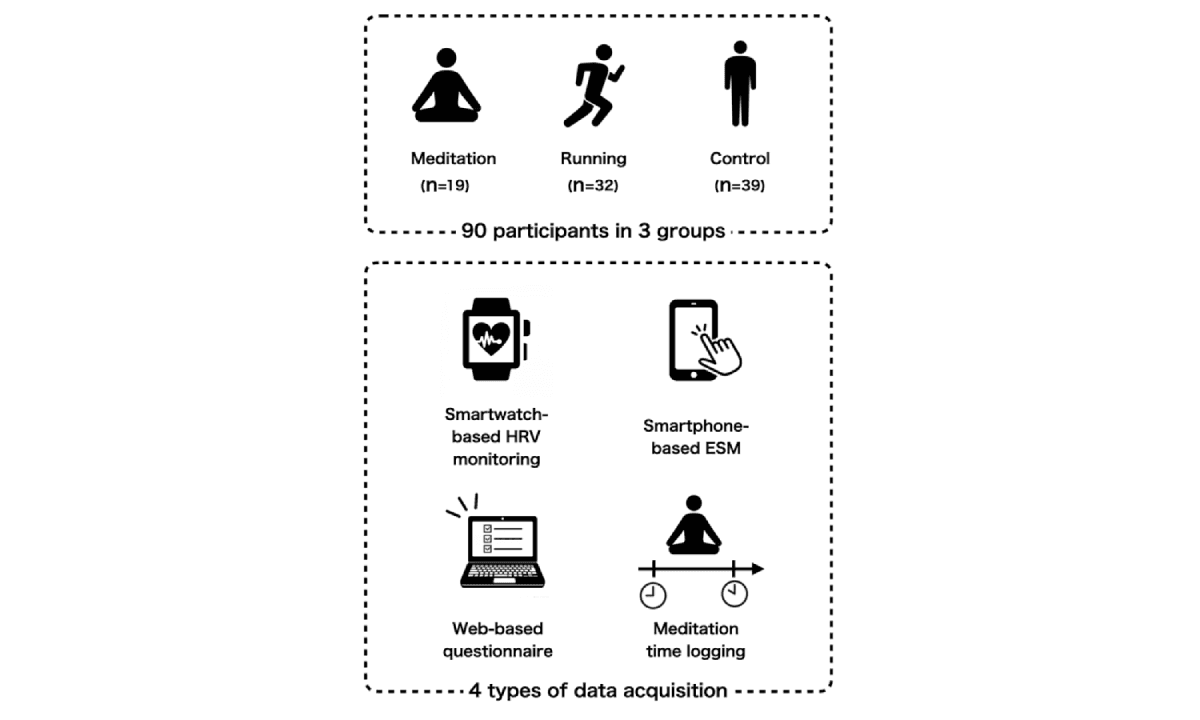
The study tested an 8-week, self-guided internet-based stress management program delivered as 8 weekly online modules for adults with generalized anxiety disorder. It was a single-blind, parallel-group, superiority randomized controlled trial conducted at Tongji Hospital in Wuhan, China, and it randomized 140 adults in total, with 73 assigned to the internet-based program plus treatment as usual and 67 to treatment as usual alone. All 140 participants were included in the intention-to-treat analysis, which makes the comparison sturdier than a simple completer-only readout.
What makes the intervention especially relevant to the mindfulness community is that it was not mindfulness alone. The modules combined mindfulness-based training with Baduanjin-based stretching exercises, creating a multimodal format that feels closer to the kind of at-home practice many people actually stick with: a little attention training, a little breath awareness, a little movement, and a clear weekly structure. That matters if you are thinking about what digital mindfulness can realistically be when it is stripped of live instruction.
Where it helped most
By the end of treatment, the online program produced greater reductions than treatment as usual in anxiety and depressive symptoms. It also showed significant between-group improvements in somatic symptoms, state anxiety, mindfulness, rumination, and perceived stress. For readers who track how mindfulness performs in real life, that pattern is important: the strongest signals were not vague wellness claims but measurable shifts in symptom burden and the mental loops that keep anxiety running.
The picture was more mixed in areas people often hope will improve first. Sleep quality and social functioning did not show a between-group difference, so the study does not support overselling a self-guided module series as a universal fix. That limitation actually strengthens the result, because it suggests the program may be best understood as a targeted adjunct for anxiety management, not a one-stop replacement for broader care.
Just as encouraging, there were no serious adverse events reported. The median number of completed modules was seven out of eight, which is a solid engagement rate for a fully self-guided digital intervention. In plain terms, people not only enrolled, they mostly kept going, which is one of the hardest parts of any home-based mental health program.
Why the model matters for people with GAD
The real appeal of this format is access. Generalized anxiety disorder often demands sustained support, but not everyone can get to a trained clinician, join a class, or keep up with a more intensive program. A self-guided online model lowers the friction, and the study suggests that this lower-barrier version can still produce meaningful symptom relief when it is structured well and paired with usual treatment.
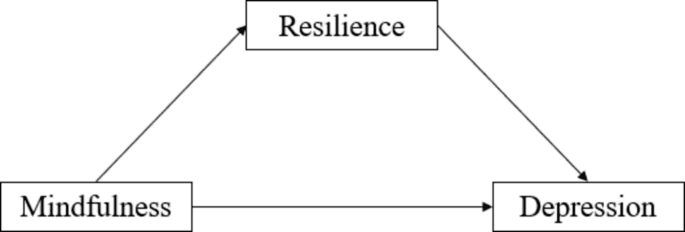
The broader modeling in the trial adds another layer. The longitudinal analysis suggested a bidirectional relationship between perceived stress and state anxiety, which fits what many practitioners already see in lived experience: stress stokes anxiety, and anxiety keeps stress elevated. The same modeling suggested that mindfulness had a later effect on anxiety reduction, implying that the practice may help interrupt that feedback loop rather than simply act as an immediate relaxation trick.
That is a useful framing for digital mindfulness. The value may not be that it makes every symptom disappear at once, but that it gives people a repeatable way to step into the loop, notice what is happening, and begin breaking the cycle over time.
Who is most likely to benefit
This was not a one-size-fits-all result. Higher baseline acting with awareness predicted a better response, while higher trait anxiety predicted poorer outcomes. That points toward a future in which digital mindfulness tools may need more tailoring, with some users needing more scaffolding and others able to move quickly through self-guided content on their own.
For anyone building or choosing an online mindfulness program, that detail is as practical as the symptom outcomes. A lighter-touch intervention may work best for people who already have some ability to notice their experience and stay with the module structure. People with more entrenched anxiety traits may still benefit, but they may need stronger supports, more personalization, or a different delivery format.
Why the findings land now
The trial arrives against a backdrop of growing need. A 2025 analysis in the British Journal of Psychiatry found that the burden of depressive and anxiety disorders in China has been rising over the past three decades, and a separate 2025 Global Burden of Disease analysis reported that anxiety disorder cases in China increased from 40.5 million in 1990 to 53.1 million in 2021. Globally, the World Health Organization says anxiety disorders affected 359 million people in 2021, that they are the world’s most common mental disorders, and that only about 27.6% of people in need receive treatment.
That is why self-guided digital care keeps drawing attention. It is not just convenient; it fills a real access gap. In a setting where provider time is limited, a program that can be completed at home and still move anxiety, depressive symptoms, stress, and rumination has obvious public health appeal.
Part of a broader mindfulness shift
This Wuhan trial also fits into a wider shift in mindfulness research, where the question is no longer whether mindfulness can help at all, but how it should be delivered. In 2022, Georgetown University Medical Center researchers reported that guided mindfulness-based stress reduction was as effective as escitalopram for anxiety disorders. In 2026, another randomized trial in Tianjin tested a group-based mindfulness intervention as an adjunct to pharmacotherapy for adults with generalized anxiety disorder. Taken together, these studies show the field moving from proof-of-concept to a more varied menu of delivery models.
For readers looking for the most honest takeaway, that is probably it: digital mindfulness is starting to look less like a novelty and more like a credible support option when it is structured, measurable, and tied to real clinical need. The Wuhan trial does not suggest that a self-guided program replaces therapy, but it does show that a short, repeatable, low-friction format can do meaningful work, especially for people who need something they can actually finish.
This article was produced by Prism’s automated news system from verified source data, official records, and press releases, then run through automated quality and moderation checks before publishing. The system is built and supervised by the people who set the standards it runs under. Read our full AI policy.
Know something we missed? Have a correction or additional information?
Submit a Tip