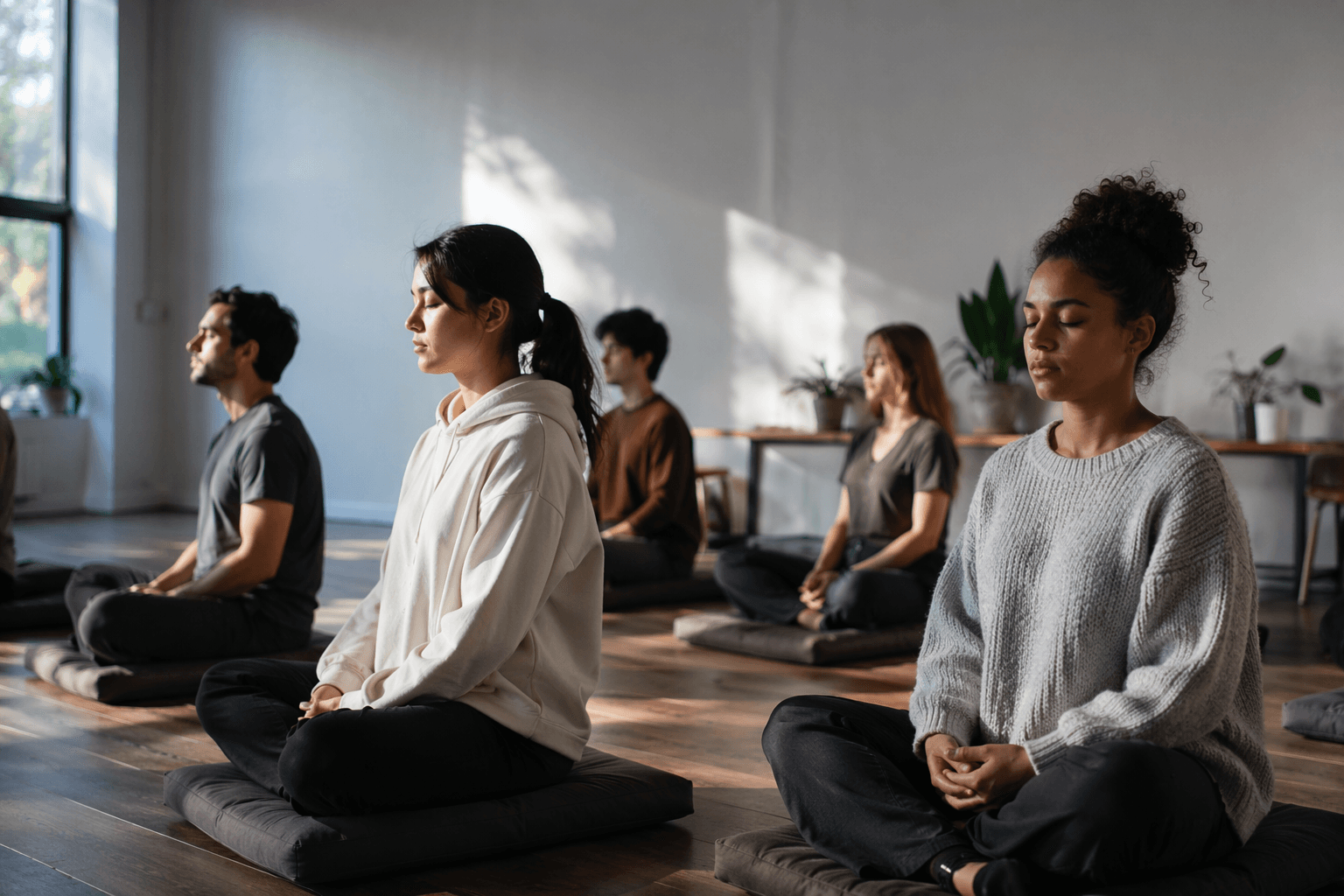
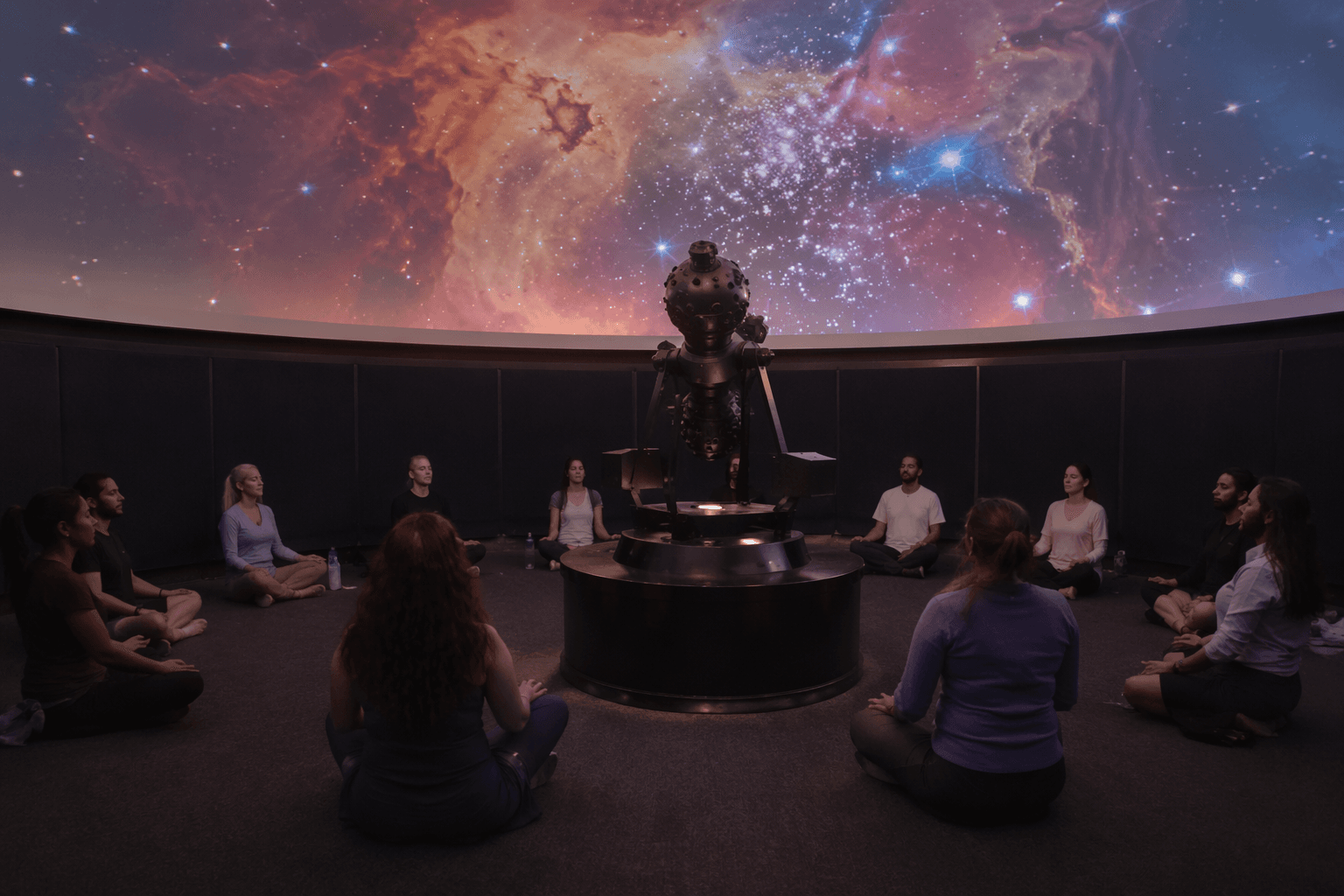
Meditation apps make mindfulness more accessible, personalized, and consistent
The best app is the one that fits your real life: sleep, anxiety, or habit-building. Today’s leaders win by turning a few spare minutes into steady practice.
Why fit beats hype
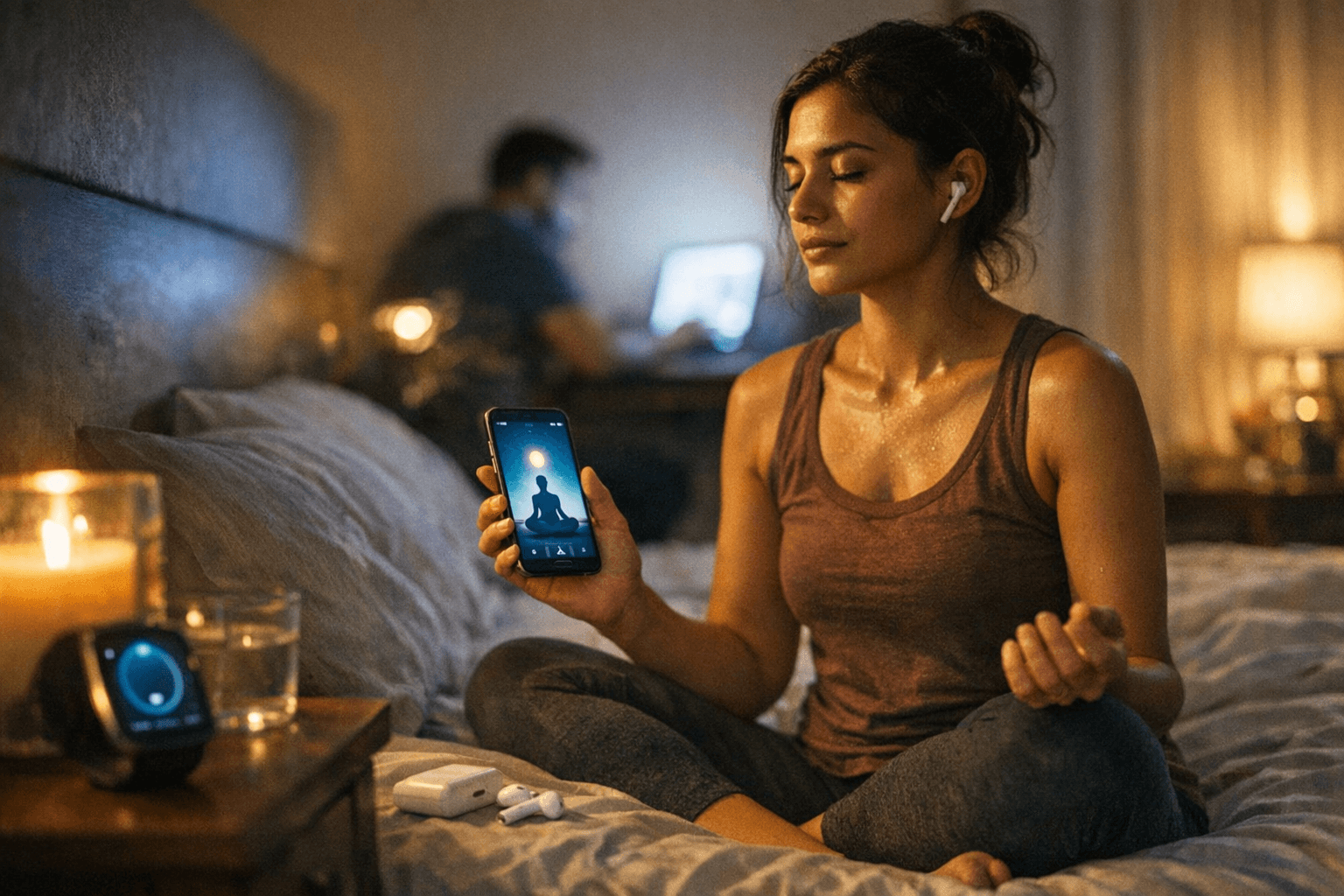
The best meditation app is not the one with the biggest promise; it is the one you will actually open when you are tired, stressed, or squeezing in a few minutes before bed. That is why the strongest case for app-based mindfulness is accessibility: it moves practice out of expensive classes and retreats and onto a phone, where a commute, lunch break, or bedtime wind-down can become part of the routine.
That shift matters because consistency is where the benefits tend to show up. The more often practice fits into ordinary life, the more likely it is to stick long enough to support less anxiety, better sleep, stronger emotional regulation, and a broader sense of well-being. In other words, the app is not just content. It is a way to make mindfulness easier to repeat.
What the evidence says
The research picture is encouraging, but it is still developing. A 2024 systematic review found that mindfulness apps can improve psychological processes tied to mindfulness, and when benefits were seen, they often ranged from moderate to large and held up at follow-up checks two to six months later. A separate meta-analysis looked at 43 randomized controlled trials and found mindfulness apps have become popular tools for symptoms of depression and anxiety.
There is also a public-health reason this category keeps growing. The World Health Organization says stress can affect both mind and body, and that too much stress can cause physical and mental health problems. In its 2020 stress guide, the WHO says just a few minutes each day are enough to practice the self-help techniques, which helps explain why short app sessions have become such a selling point.
Safety deserves a clear mention too. The National Center for Complementary and Integrative Health says meditation and mindfulness are usually considered to have few risks, but they are not risk-free. In a review of more than 6,000 participants, about 8% reported negative effects, most commonly anxiety or depression. That does not make the category off-limits, but it does make fit, pacing, and self-awareness part of the decision.
Choose by the job you need done
The smartest way to shop in 2026 is to ask what problem you are trying to solve first. Some people want help falling asleep. Others need a calmer response to anxiety. Some want a system that makes practice feel automatic instead of occasional. The apps that are worth your money are the ones built around that real-world use case.
If sleep is the main goal, Calm is the clearest match
Calm markets itself as the #1 mental health app for stress and sleep, and its feature set leans hard into that promise. It offers 500-plus Sleep Stories, soundscapes, and guided sleep meditations, and its Sleep Stories catalog includes more than 300 titles. The celebrity-narrated lineup, which includes Matthew McConaughey, Idris Elba, Jennifer Garner, and Harry Styles, gives the sleep library a pop-culture hook that is easy to explain and easy to share.
Calm is also leaning into ultra-short use cases. In 2024, it introduced Taptivities, interactive text-based mindfulness exercises that take about a minute or two. That makes Calm especially useful if you want both the long, sleepy wind-down and the tiny reset between meetings.
If you want structure for anxiety or a more guided path, Headspace stands out
Headspace says it was founded in 2010 and positions itself as a lifelong guide to better mental health, which fits the way the app has expanded over time. Its library includes 1,000-plus guided meditations and exercises, and it has a dedicated SOS content area for acute anxiety. The app also includes mental health coaching and a CBT for Anxiety & Depression program, which gives it a more structured feel than a simple meditation catalog.
That wider platform has grown into a bigger mental-health ecosystem. Headspace merged with Ginger in 2021 to form Headspace Health, a sign that the company is competing not just on meditation audio, but on the broader question of how much support a subscription can carry. If you want a calmer entry point with clear instruction, accessible animated lessons, and fast anxiety tools, this is the most obviously guided option.
If you want variety, music, and a community feel, Insight Timer deserves a look
Insight Timer comes up as a sleep-friendly complement, especially for people who want music and soundscapes rather than a tightly scripted program. It also has community and tracking features, which matter more than people expect when the goal is to keep showing up. For some users, that mix of variety and accountability is the difference between a download that gets forgotten and a habit that lasts.
How to think about price and value
The real pricing tradeoff is not just the monthly bill. It is whether you are paying for a broad stress-management platform, a sleep-first library, or a more clinical and coaching-oriented ecosystem. Calm’s sleep catalog, Headspace’s large guided library, and Headspace Health’s expanded support each point to a different kind of value, so the right choice depends on whether you want depth in one area or a wider mental-health toolkit.
That is also why these apps have become habit systems instead of simple content libraries. They combine guidance, reminders, scheduling support, and some level of motivation design. For a lot of people, that matters more than a perfect meditation technique, because the goal is not a single good session. The goal is practice that happens often enough to change daily life.
Why this category keeps getting bigger
The broader trend is unmistakable: meditation is no longer reserved for people who can pay for classes or find time for retreats. According to the National Center for Complementary and Integrative Health, the share of U.S. adults who practiced meditation more than doubled from 7.5% in 2002 to 17.3% in 2022. That is a meaningful shift in how mainstream mindfulness has become.
The category’s evolution explains why the best apps are competing on more than content. Calm has expanded beyond meditation into clinical offerings with Calm Health and kept adding features and partnerships. Headspace has moved from a meditation brand into a broader mental-health platform. The winner in this market is no longer just the app with the prettiest interface. It is the one that fits your schedule, your stress pattern, and the kind of support that keeps you coming back tomorrow.
This article was produced by Prism’s automated news system from verified source data, official records, and press releases, then run through automated quality and moderation checks before publishing. The system is built and supervised by the people who set the standards it runs under. Read our full AI policy.
Did this article answer your question?