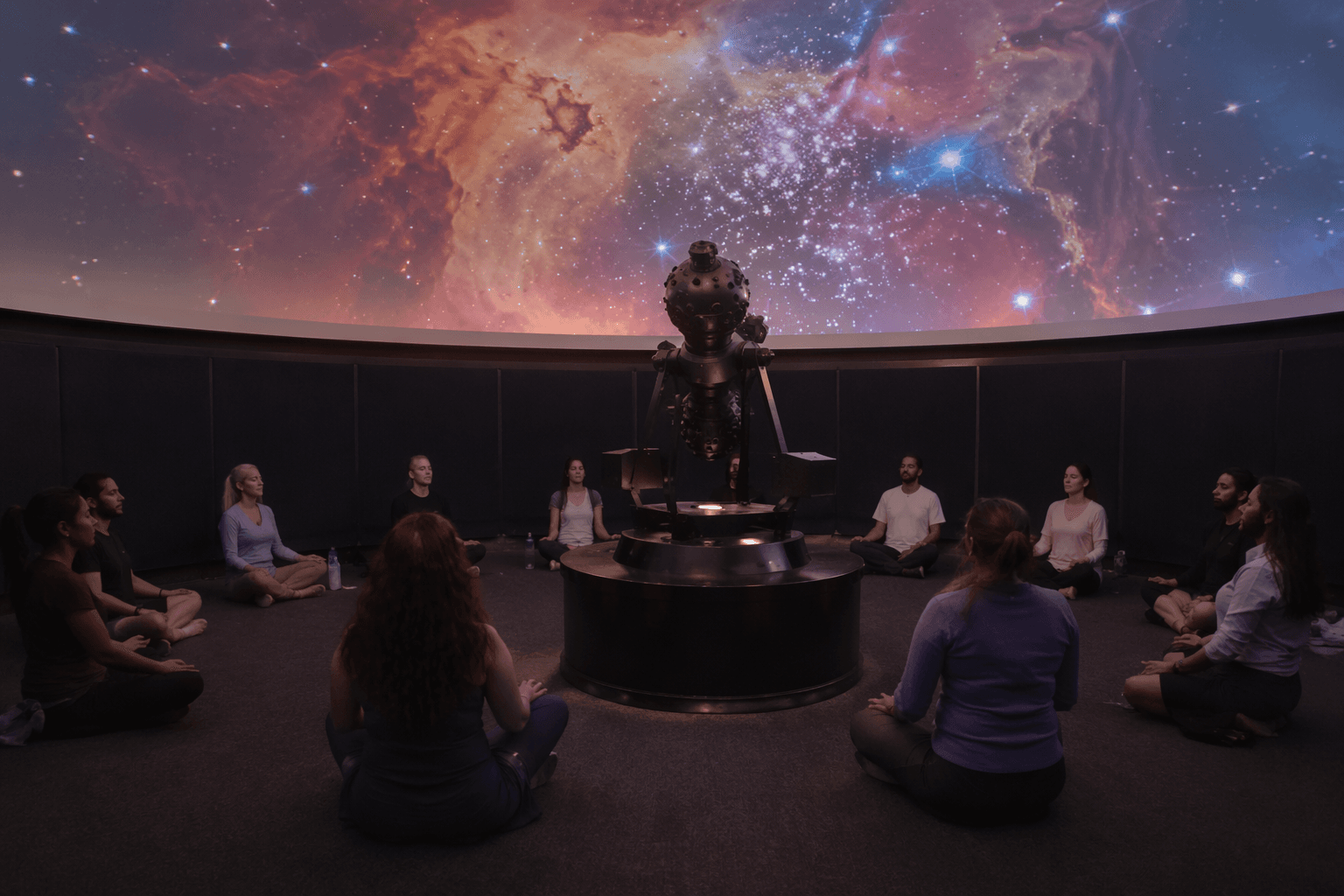
Meditation Emerges as a Workplace Performance Tool for Burned-Out Workers
Burned-out workers are turning to five-minute meditation breaks for clearer focus, steadier reactions, and less meeting fatigue, and the evidence is stronger than the hype.

Why meditation is showing up at work
Meditation is moving out of the wellness corner and into the middle of the workday because the pressure has become impossible to ignore. Bryan Robinson’s May 1, 2026 Forbes piece frames the shift against a plain reality: stress is widespread, burnout is common, and a growing share of employees are thinking about walking away.
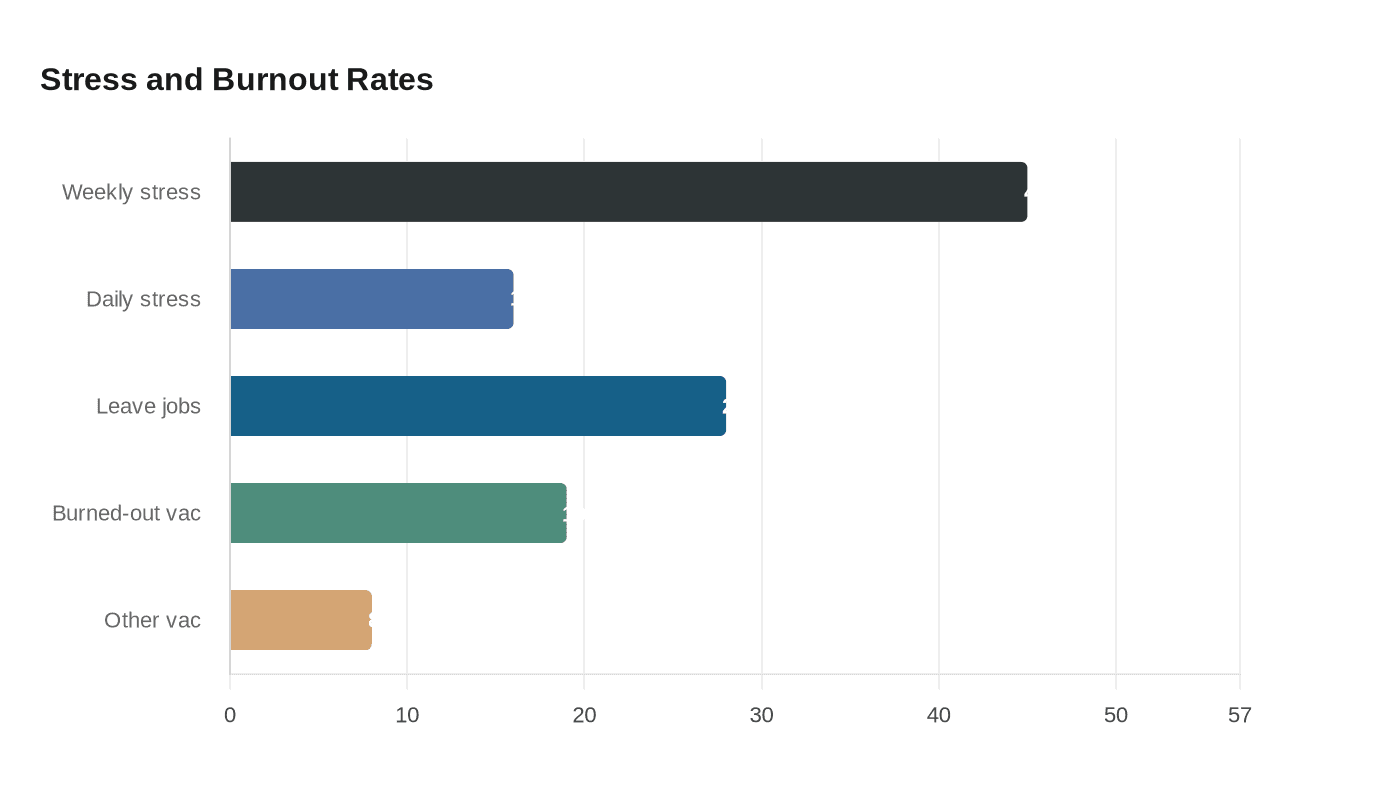
The numbers help explain why the idea is landing. A national survey commissioned by Ohio State University Wexner Medical Center and released on April 9, 2025 found that 45% of U.S. adults are stressed at least once a week and 16% are stressed every day, often tied to news or social media. Clarify Capital’s survey of 1,005 U.S. employees found that 28% of burned-out workers were actively considering leaving their jobs, and burned-out employees were more likely to postpone or cancel vacation because of work pressures, 19% versus 8%. That is the backdrop for the appeal of a practice that takes only five minutes and can happen at a desk.
What meditation is actually being asked to solve
The strongest workplace case for meditation is not mystical and it is not about chasing peak performance in some abstract sense. It is about very concrete problems that show up in ordinary jobs: meeting fatigue, scattered attention, emotional reactivity after a rough email, and the mental drag that follows constant interruptions.
Robinson’s argument is that the most overlooked career advantage may be the ability to sit still and pay attention. In practice, that means using a brief mindfulness break to recover focus after back-to-back meetings, steady yourself before a difficult conversation, and avoid carrying one stressful moment into the next one. The promise is smaller than the hype. It is not about turning every worker into a superhuman; it is about helping people stay steady in an environment packed with messages, notifications, and demands on attention.
What the research says, and where it stops
The evidence base is supportive, but it is not a miracle story. A 2010 randomized study indexed in PubMed found that brief meditation training improved visuo-spatial processing, working memory, and executive functioning after only four sessions. More recent reviews and meta-analyses continue to point toward possible benefits for attention and working memory, while also warning that the findings are not perfectly consistent and that study methods vary.
A recent meta-analysis in Springer’s psychonomic review literature concluded that mindfulness interventions show potential benefits for working memory across clinical and healthy populations, but the evidence is not definitive. A separate 2021 systematic review in PMC similarly found that mindfulness-based programs may improve cognitive function, with some reviews suggesting stronger support for working memory than for attention. Taken together, that makes the case for meditation as a useful cognitive reset, not a guaranteed performance upgrade.
Why short practices matter more than perfect routines
The most practical part of the current workplace meditation trend is its format. Robinson emphasizes five-minute practices, which he calls micro-chillers, because snack-sized meditation can fit the lives of people who are too busy for a longer session. That matters in a workplace where time is already fragmented and attention is the first thing to go.
Short guided meditations also have evidence behind them. A randomized trial published in 2018 found that smartphone-delivered mindfulness sessions, practiced multiple times per week, improved work-stress and well-being outcomes, with effects still visible at a 16-week follow-up. That is important because it suggests the benefit may not depend on a long retreat or an idealized quiet room. It can come from a repeatable, low-cost reset that fits between meetings, before a difficult call, or after a stressful message.
A simple way to think about the practical payoff is this:
- Before a meeting, a five-minute meditation can reduce the mental noise that makes listening harder.
- After a tense exchange, it can slow the emotional spillover that leads to sharper replies than intended.
- During a long project, it can help restore attention when the mind starts wandering.
- Under pressure, it can create a small pause before rushed decisions take over.
Those are modest gains, but they map neatly onto the day-to-day friction many workers actually face.
Why leaders are paying attention too
Robinson also ties meditation to leadership, and that is where the workplace argument gets broader than personal stress relief. A calmer, more present mind can improve communication, sharpen decision-making, and change how colleagues experience a leader. That matters in teams where tone travels quickly and where a manager’s emotional state can either stabilize the room or unsettle it.
This is one reason meditation keeps showing up in conversations about high performers, executives, and entrepreneurs. The draw is not just private calm. It is the possibility that a more grounded leader will listen better, react less impulsively, and create a culture that feels steadier to everyone around them. In that sense, meditation is being treated less like an indulgence and more like a leadership habit with visible ripple effects.
What it cannot replace
The broader workplace mental-health context is just as important as the meditation trend itself. The World Health Organization says depression and anxiety cost the global economy about 12 billion working days each year and roughly US$1 trillion in lost productivity. Its workplace guidance points to organizational interventions, manager training, worker training, return-to-work support, and individual interventions. That is a reminder that healthy work is not built on personal coping alone.
The American Psychological Association also identifies familiar stressors such as workloads, lack of social support, and unclear performance expectations. Those are structural problems, and meditation does not fix them by itself. What it can do is help workers cope more skillfully inside a system that still needs better management, clearer expectations, and healthier boundaries.
That is the most useful way to read the current wave of workplace mindfulness coverage. Meditation is not being sold as a cure-all anymore. It is being recognized as a small, repeatable cognitive reset that can help with the parts of work that actually wear people down, and in a time when attention is scarce, that makes it surprisingly relevant.
This article was produced by Prism’s automated news system from verified source data, official records, and press releases, then run through automated quality and moderation checks before publishing. The system is built and supervised by the people who set the standards it runs under. Read our full AI policy.
Did this article answer your question?