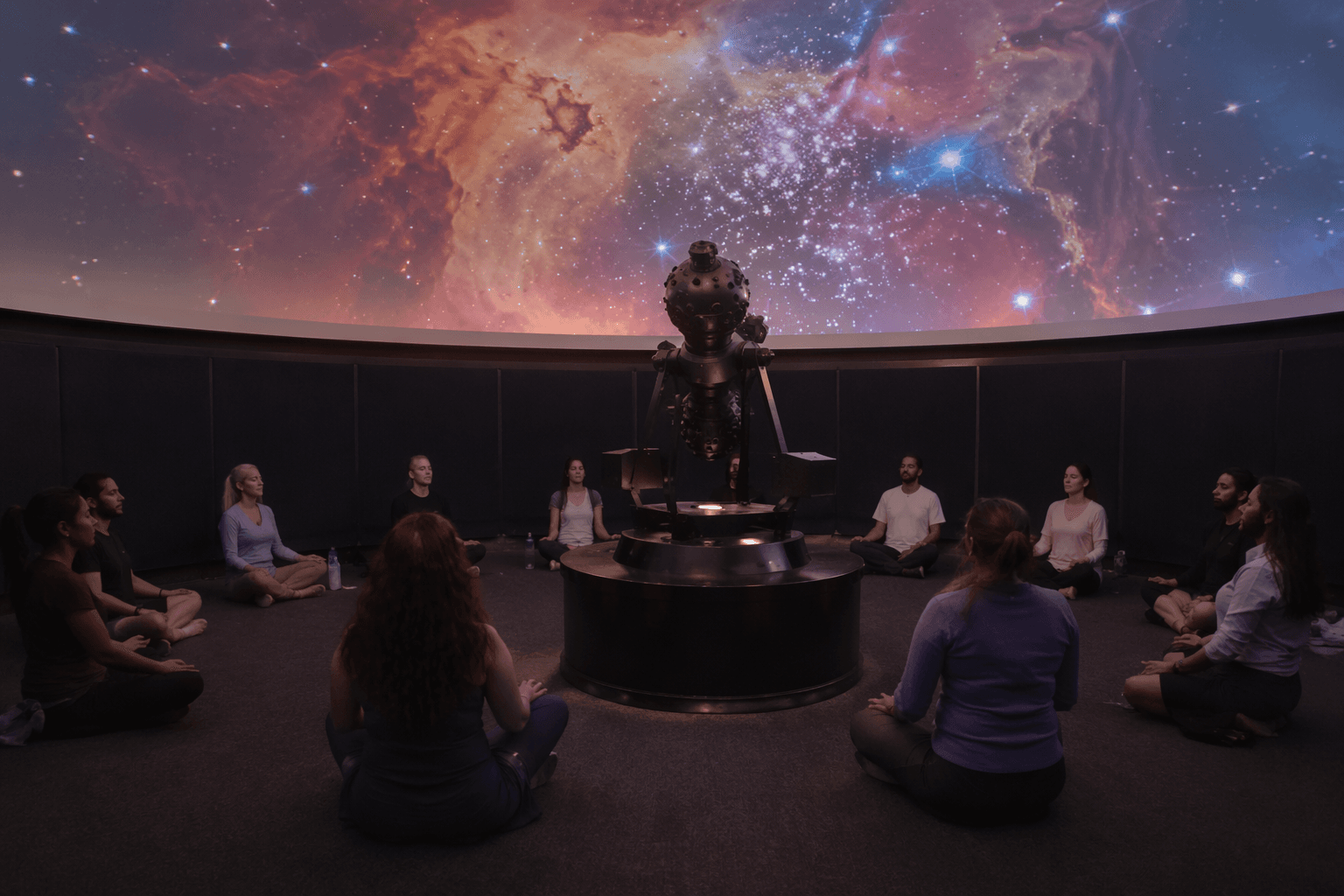
Meditation may calm the brain in just minutes, study finds
A 10-minute breath-watching sit triggered EEG shifts within 2 to 3 minutes, peaking around seven, but that is timing evidence, not a cure-all.

Meditation may start changing the brain faster than many people expect. In a 2026 study in the journal Mindfulness, researchers found measurable EEG shifts within about two to three minutes of a breath-watching practice, with changes peaking around seven minutes, in both novice and experienced meditators.
What the new study actually adds
The most important part of this paper is not that meditation changes the brain, which researchers have already been showing for years. It is the timing. Instead of only comparing a before-and-after snapshot, the study tracked what happened during a 10-minute breath-watching session, showing when neural changes first appeared and how they built across the practice.
That matters because a lot of meditation research has focused on outcomes measured later, such as less anxiety, lower stress, less pain, or better sleep. Those findings are valuable, but they leave a gap: if meditation helps, when does the brain begin to shift? This study suggests the answer may be much sooner than many practitioners assume.
Why those brain-wave shifts matter
EEG does not tell the full story of meditation, but it does offer a fast read on how the brain is changing moment to moment. If brain-wave activity begins to reorganize within a few minutes, that could help explain why meditation is often linked to calmer attention, less reactivity, and easier settling into practice.
That connection is especially interesting for anxiety, pain, and sleep. Anxiety often involves an overactive, sticky sense of threat. Pain can be amplified by attention and emotional load. Sleep depends on the ability to downshift arousal. A practice that starts altering brain state within minutes may help create the conditions that make those benefits more likely, even if the study itself does not prove symptom relief on its own.
The practice studied was simple, but the design was sharp
The researchers focused on breath-watching, one of the most familiar forms of mindfulness meditation. That makes the finding accessible: this was not a highly specialized technique, but a core practice many people already use.
The study also included both novice and experienced meditators, which strengthens the point that the timing effect was not limited to one tiny corner of the community. Still, the work is about neural timing inside a short session, not a claim that a few minutes of meditation will erase anxiety or fix sleep problems on demand.
How this fits with earlier meditation research
Earlier work has already shown that meditation can be tied to measurable brain changes, but the methods have often been different. A February 4, 2025 Mount Sinai study in PNAS used intracranial EEG in eight neurosurgical epilepsy patients with implanted electrodes in the amygdala and hippocampus. That work found meditation-related activity changes in deep brain regions associated with emotional regulation and memory.
That Mount Sinai study is important because it reached deeper into the brain than standard EEG can. But it was also a very specific clinical sample: eight patients undergoing neurosurgical care for epilepsy. That makes the findings biologically intriguing, while also limiting how far they can be generalized to everyday meditators.
A separate line of research from University of California San Diego went broader in a different way. In November 2025, researchers reported that a weeklong mind-body retreat combining meditation and related practices produced rapid changes in brain function and blood biology. Their work pointed to physiological pathways linked to neuroplasticity, metabolism, immunity and pain relief.
Taken together, these studies move the conversation beyond the old question of whether meditation “works.” The better question now is how it works, how quickly it begins working, and which biological systems it touches first.

What is established, and what is still speculative
What is established is that meditation can be associated with measurable changes in the brain, and that some of those changes appear quickly. It is also well supported that meditation is linked in the broader literature to improvements in anxiety, stress, pain, and sleep quality.
What is still speculative is the exact chain from brain-wave shifts to those real-world benefits. The new Mindfulness study shows timing, not symptom relief. The Mount Sinai study shows deep-brain activity changes, not direct day-to-day outcomes. The UC San Diego retreat study is compelling, but because it bundled meditation with related healing practices, it does not isolate meditation alone.
So the smart reading is this: the biological story is getting stronger, but it is not finished. Researchers can now point to specific timing, specific brain regions, and in some cases broader body-level changes. What they cannot yet claim is that one short session of breath-watching will reliably produce a lasting clinical effect.
What readers should take from this now
For meditation practitioners, the practical takeaway is simple: give the practice time to settle. If the mind feels busy in the first couple of minutes, that does not mean the session is failing. In this study, measurable EEG changes did not appear instantly, but they did begin within a few minutes and strengthened by around seven minutes.
A useful way to work with that finding is to treat the first stretch of a sit as entry, not evidence. Sit with the breath long enough for the nervous system to shift, and judge the practice over repeated sessions, not after a single distracted minute. That is where the new research and the older outcome studies finally meet: not in a promise of instant transformation, but in the possibility that the brain begins to reorganize sooner than the old before-and-after model could show.
This article was produced by Prism’s automated news system from verified source data, official records, and press releases, then run through automated quality and moderation checks before publishing. The system is built and supervised by the people who set the standards it runs under. Read our full AI policy.
Did this article answer your question?