Mental Health Awareness Month 2026 centers mindfulness, breathwork, and community support
Mental Health Awareness Month 2026 trades broad slogans for short practices, from 10-minute meditation to free community events, toolkits, and breathwork.
A month built around habits people can repeat
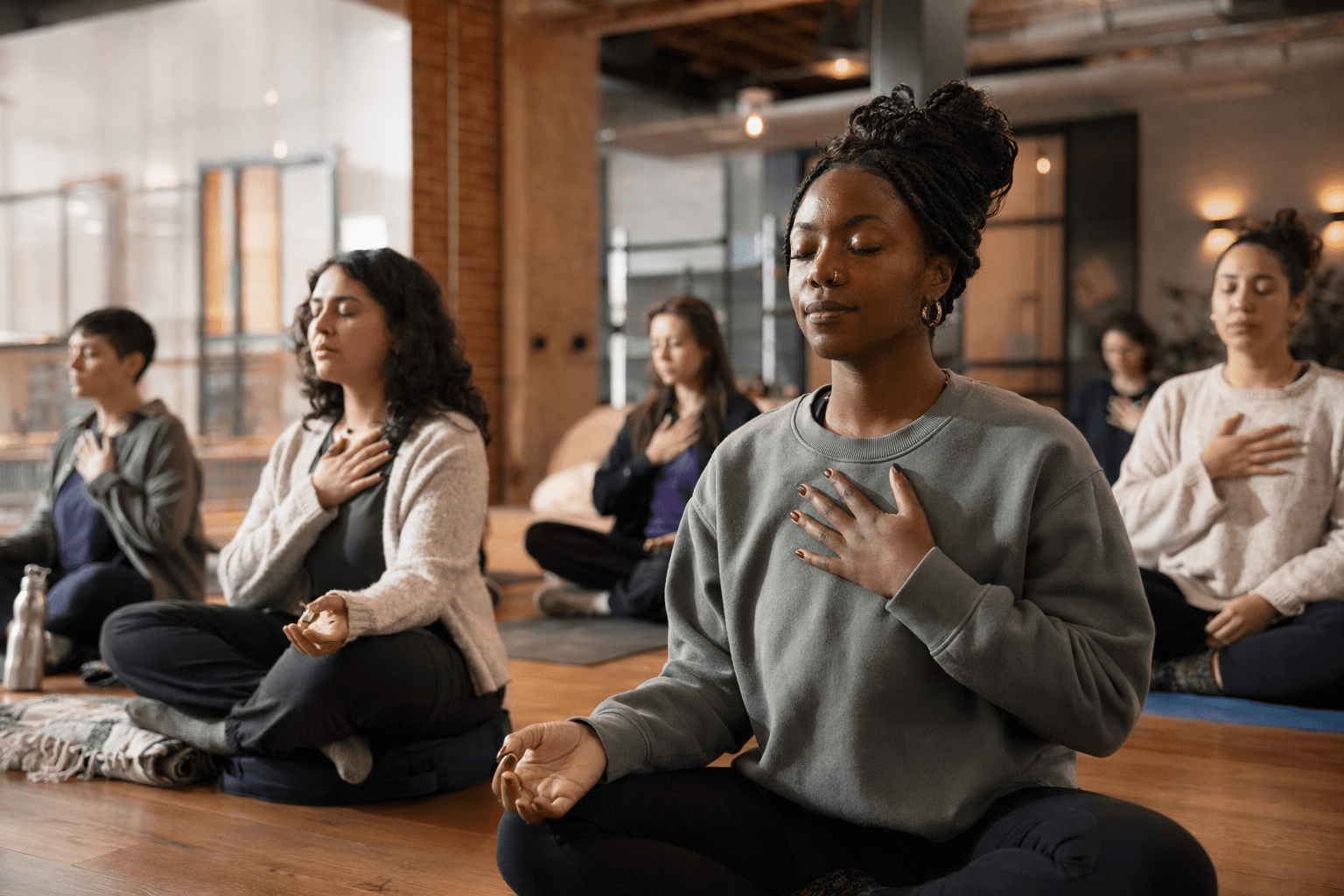
Mental Health Awareness Month 2026 is leaning into something readers can use right away: a short pause, a guided practice, a class, or a community session that can happen again tomorrow. Instead of treating mindfulness as a slogan, this year’s campaign turns it into a set of doable micro-practices, with breathwork, guided meditation, gentle movement, and community support at the center.
Mental Health America founded Mental Health Awareness Month in 1949 and has led the effort every May to promote mental wellness nationwide, making 2026 the 77th annual observance. Its theme, “More Good Days, Together,” fits the moment well because it frames mental health as something built through repetition, not just awareness. That shift matters for anyone who wants a practical entry point: one guided breathing break, one chair yoga session, or one daily mindfulness reset can be easier to sustain than a vague promise to “be better.”
Why the 2026 message feels more usable
This year’s strongest idea is that mindfulness works best when it is concrete. A short daily pause is easier to keep than a broad wellness resolution, and that is exactly where the campaign lands. The framing is practical enough for classrooms, offices, retreat communities, and neighborhood groups, which makes it more likely to travel beyond the usual mental health conversation.
The month’s schedule reflects that approach. Mental Health America’s 2026 Mental Health Month Kickoff is a free 60-minute session designed to give educators, advocates, fundraisers, and individuals a roadmap for participating in the month. It is not presented as a passive webinar; it is meant to help people organize around the campaign with new planning and action guides, which gives the month an immediate community-use dimension.
The capstone event turns mindfulness into a shared experience
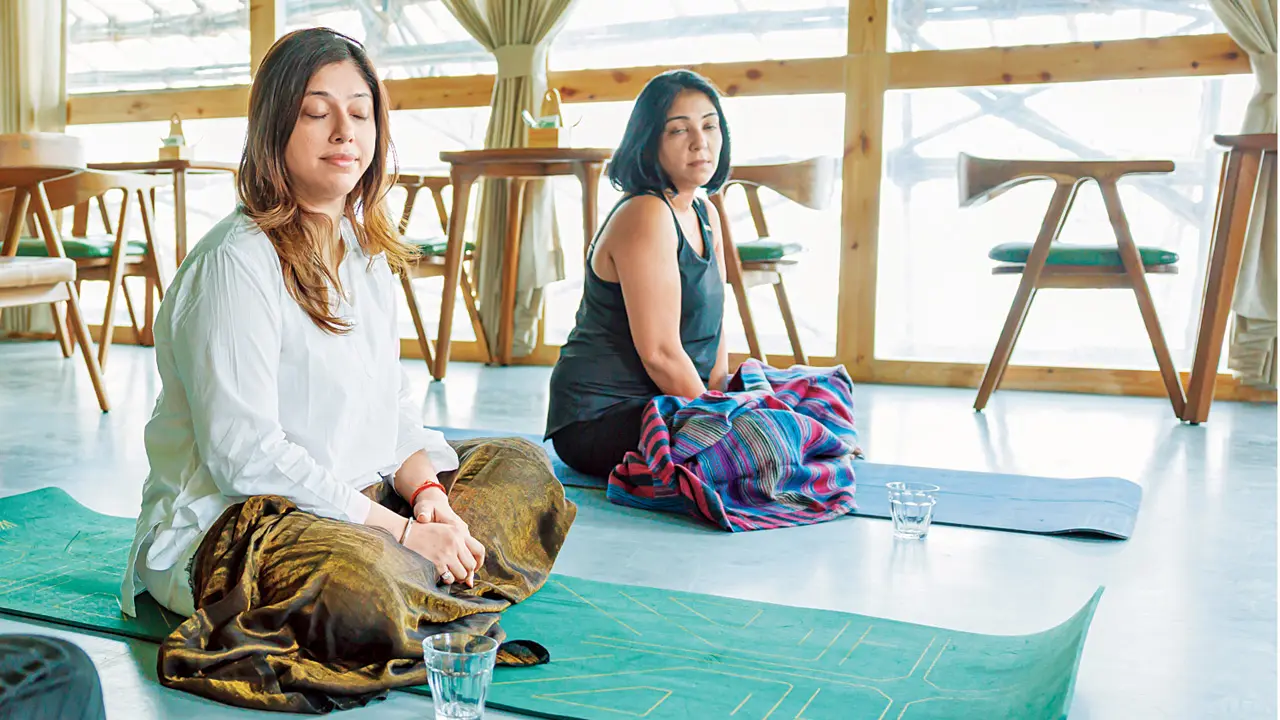
One of the most accessible public touchpoints in the month comes on May 20, when a free virtual wellness experience focuses on mind-body practices. The session includes guided meditation, gentle yoga, breathwork demonstrations, chair yoga, reflective journaling, and calming breathwork activities. That mix matters because it lowers the barrier to entry: people can watch, follow along, or simply borrow one piece of the practice for later.
The emphasis on chair yoga and calming breathwork also broadens the audience. These are not niche wellness rituals reserved for people with lots of time or special equipment. They are adaptable practices that fit into a lunch break, a classroom, a library program, or a living room between errands, which is exactly why this year’s message may resonate more strongly than broad mental-health rhetoric.
Tools for schools, workplaces, and community groups
The other major pillar of the month is infrastructure. The Substance Abuse and Mental Health Services Administration says its 2026 theme is “See the Person. Support the Journey,” and it is backing that message with a toolkit built for real-world use. The package includes weekly themes and downloadable assets such as virtual backgrounds, stickers, and email signatures, giving schools, employers, and community groups a ready-made way to participate.
SAMHSA has recognized Mental Health Awareness Month every May for more than 20 years, and this year’s toolkit continues that pattern of turning a national observance into local action. The materials also point users toward FindSupport.gov, which reinforces the idea that the month is about guiding people toward help, not just raising the volume on awareness.
Mental Health America says its 2026 theme resources are available in both English and Spanish, which widens access and makes the campaign more useful in multilingual communities. That detail is easy to overlook, but it is central to the month’s practical value: support only works if people can actually use it.
Local activations make the month feel real
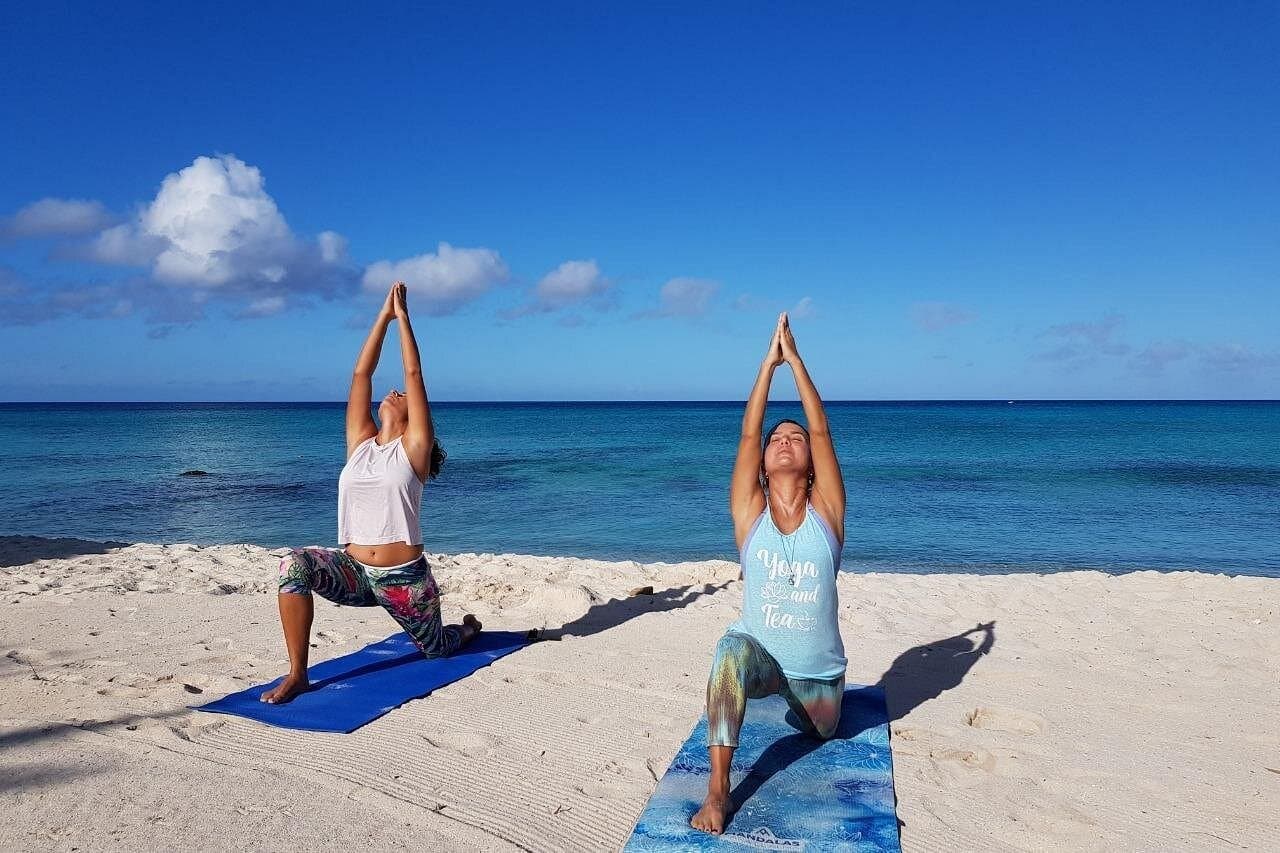
The national messaging is also showing up in neighborhood-scale events. In Santa Monica, donation-based yoga, meditation, and sound-bath sessions are being organized in parks and libraries, giving the month a visible presence in public spaces. That kind of activation matters because it takes mindfulness out of the abstract and places it where people already gather.
Community settings like these also help normalize participation. A park class or library session does not ask people to buy into a movement first; it simply offers a place to start. That is a strong fit for a campaign built around repeatable habits, because the first step is often the hardest one.
The research supports short, repeatable practice
The practical tone of this year’s observance is backed by recent research. A Stanford University randomized trial this spring found that even 10 minutes a day of guided meditation reduced internalizing symptoms among college-aged adults. That is a useful share-hook in itself: a practice shorter than a social media scroll can still make a measurable difference.
Broader research guidance points in the same direction. The National Center for Complementary and Integrative Health says meditation and mindfulness practices are usually considered to have few risks, and it notes evidence suggesting benefits for anxiety, depression, pain, and high blood pressure. At the same time, NCCIH also highlights a more complicated truth: a 2020 review of 83 studies involving 6,703 participants found that 55 studies reported negative experiences related to meditation practices. That nuance is important. It keeps the conversation honest while still making room for practices that are accessible, low-cost, and easy to repeat.
A month that favors what people can actually do
What makes Mental Health Awareness Month 2026 stand out is not a louder slogan. It is the move toward usable habits: breathwork instead of platitudes, guided meditation instead of generic encouragement, and community events instead of isolated self-help. The campaign’s structure, from the free kickoff to the May 20 virtual wellness experience to the SAMHSA toolkit and local activations in places like Santa Monica, gives people multiple ways to enter the month at their own pace.
That is the bigger story here. Mental health messaging tends to resonate when it offers something concrete, and this year’s observance does exactly that. It makes mindfulness feel less like a concept and more like a practice that can be folded into ordinary days, one breath and one repeatable habit at a time.
This article was produced by Prism’s automated news system from verified source data, official records, and press releases, then run through automated quality and moderation checks before publishing. The system is built and supervised by the people who set the standards it runs under. Read our full AI policy.
Know something we missed? Have a correction or additional information?
Submit a Tip