Michigan State offers free Zoom workshop on everyday mindfulness practices
Michigan State’s free Zoom mindfulness workshop packed breathing, grounding, and body scans into one 90-minute session built for busy beginners.
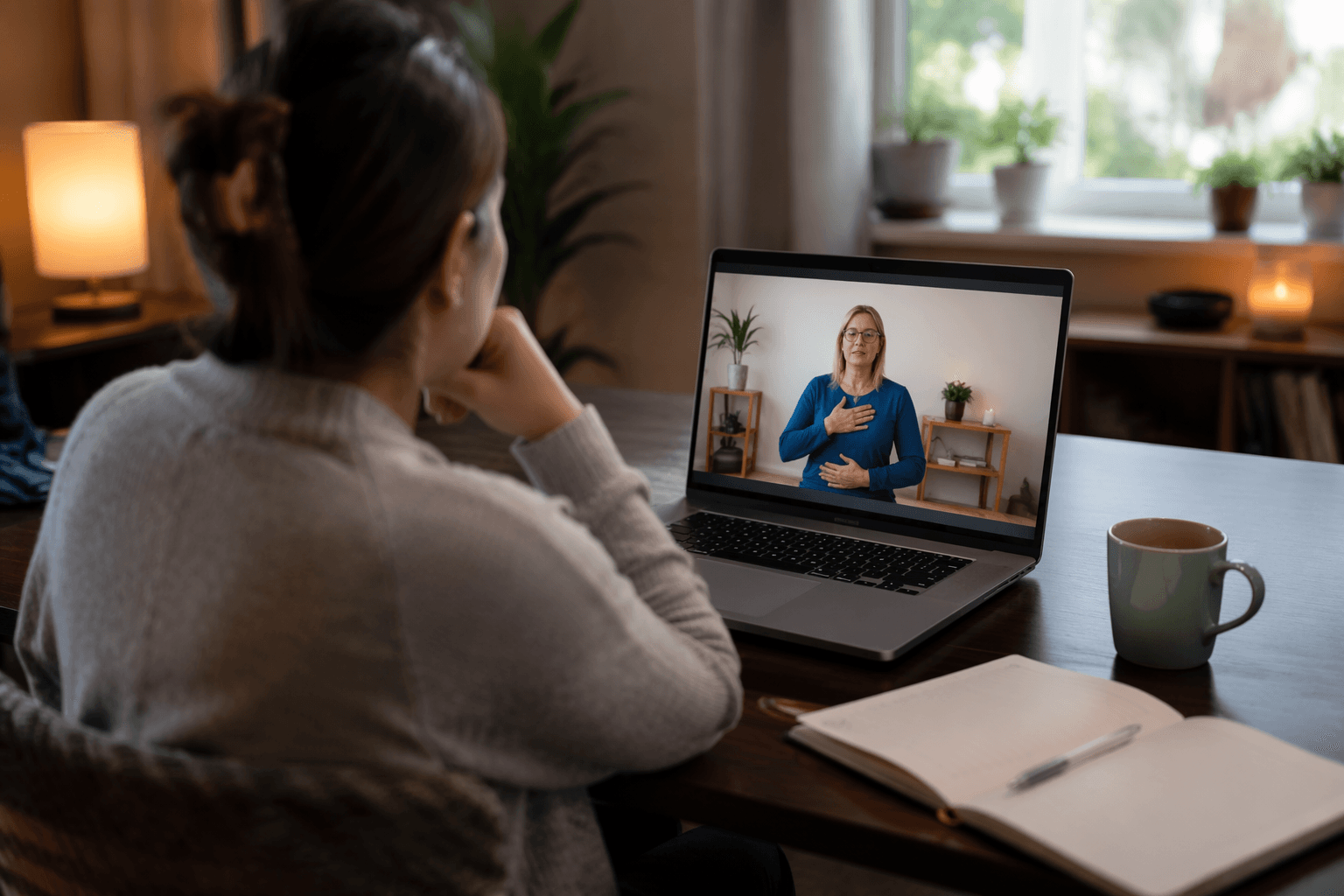
A free Zoom class from Michigan State University Extension turned mindfulness into a set of short moves you can actually use between meetings, on the commute, or after a long stretch of screen time. Brief Practices in Mindfulness ran June 2, 2026, from 2:30 to 4:00 p.m. ET and was presented by Georgina Guzman.
A 90-minute workshop with a practical goal
The session was designed to do two things at once: give participants a clearer understanding of mindfulness and leave them with practices they could use every day. That makes the workshop feel less like a wellness lecture and more like a starter kit, especially for anyone who wants something concrete before trying a longer routine. The promise was not transformation in one sitting, but a way to leave with a personal plan for practice.
The format mattered just as much as the content. It was free, it was online, and it ran through Zoom, which lowered the barrier for people who might not show up for an in-person class. Michigan State University Extension also places this workshop inside a broader virtual health lineup that includes mindfulness-related offerings such as Stress Less with Mindfulness and Mindfulness for Better SLEEP.
The practice menu, stripped to the essentials
What made this workshop especially useful for beginners was the list of actual techniques on offer. Instead of talking around mindfulness in abstract terms, the session named the practices participants were expected to experience: mindful breathing, grounding, ways to quiet the mind, a brief body scan, mindful walking, forest guided meditation, and seated meditation. That range matters because it shows mindfulness as a set of options, not one single style.
For a busy beginner, that variety is the real takeaway. A few minutes of mindful breathing can fit before a tense meeting, grounding can help when the day feels scattered, and a brief body scan can work as a quick reset after too much sitting or studying. Mindful walking and forest guided meditation widen the idea even further, giving people a way to practice without having to stay planted in a chair.
- Mindful breathing: the quickest entry point when nerves are rising.
- Grounding: useful when you feel mentally pulled in too many directions.
- Ways to quiet the mind: a practical choice when thoughts keep looping.
- Brief body scan: a fast check-in that helps you notice tension.
- Mindful walking: a good fit for someone who does better with movement than stillness.
- Forest guided meditation: a guided format that can feel more immersive.
- Seated meditation: the classic sit-and-notice structure for a calmer pause.
The point of that menu is flexibility. Instead of forcing one form of mindfulness into every situation, the workshop gives people several ways in, which is often what keeps a new practice from stalling out after the first try.
Why the personal plan matters
The workshop’s closing aim, helping participants develop a personal mindfulness practice plan, is the part that makes the session more than a one-off. Many people can enjoy a guided exercise in the moment and still struggle to repeat it the next day, so a simple plan creates a bridge between class and real life. That is especially important in a free, virtual setting, where the easiest path is to log off and forget what worked.
Michigan State University Extension’s health education approach reinforces that idea. Guzman’s workshop fits within a public-facing program that treats mindfulness as something people can weave into ordinary routines, not a niche activity reserved for retreats or long sit-down sessions. The structure suggests that a short, repeatable habit is more valuable than an idealized practice that never quite gets started.
Who is leading the session
Georgina Guzman brings a practitioner’s background to the program. Michigan State University identifies her as a social worker and health educator with a master’s degree in Family and Consumer Sciences, focused on social emotional health and well-being across the life span. That matters because the workshop is not framed as an abstract hobby seminar; it is led by someone whose work centers on everyday well-being.
That kind of instructor profile also helps explain the tone of the session. The practices were presented as usable tools, not as a test of discipline or expertise. For a beginner deciding whether mindfulness is worth the time, that is often the difference between trying it once and coming back to it.
Where this fits in the larger mindfulness story
The workshop also sits inside a much longer mindfulness tradition. Mindfulness-Based Stress Reduction was developed by Jon Kabat-Zinn in 1979 at the University of Massachusetts Medical School, and it became a major model for bringing mindfulness into mainstream health education. The American Psychological Association describes MBSR as an 8-week therapeutic intervention with weekly group classes and daily home mindfulness exercises, which shows how short guided practices can connect to a more structured path.
Health authorities also help explain why institutions keep offering beginner-friendly sessions like this one. The National Center for Complementary and Integrative Health says meditation and mindfulness practices usually have few risks, and it notes that some research suggests meditation may reduce blood pressure, anxiety, depression, and insomnia. That does not turn a single workshop into a cure-all, but it does explain why a free, skill-based Zoom class still has an audience.
The real appeal of Brief Practices in Mindfulness is how modest and usable it is. It does not ask a busy person to clear an hour, buy equipment, or commit to a perfect routine; it offers breathing, grounding, movement, and a short body scan that can be tested in ordinary life. That is the promise tucked inside the class, and it is exactly the kind of mindfulness practice that can start with five quiet minutes and grow from there.
This article was produced by Prism’s automated news system from verified source data, official records, and press releases, then run through automated quality and moderation checks before publishing. The system is built and supervised by the people who set the standards it runs under. Read our full AI policy.
Know something we missed? Have a correction or additional information?
Submit a Tip