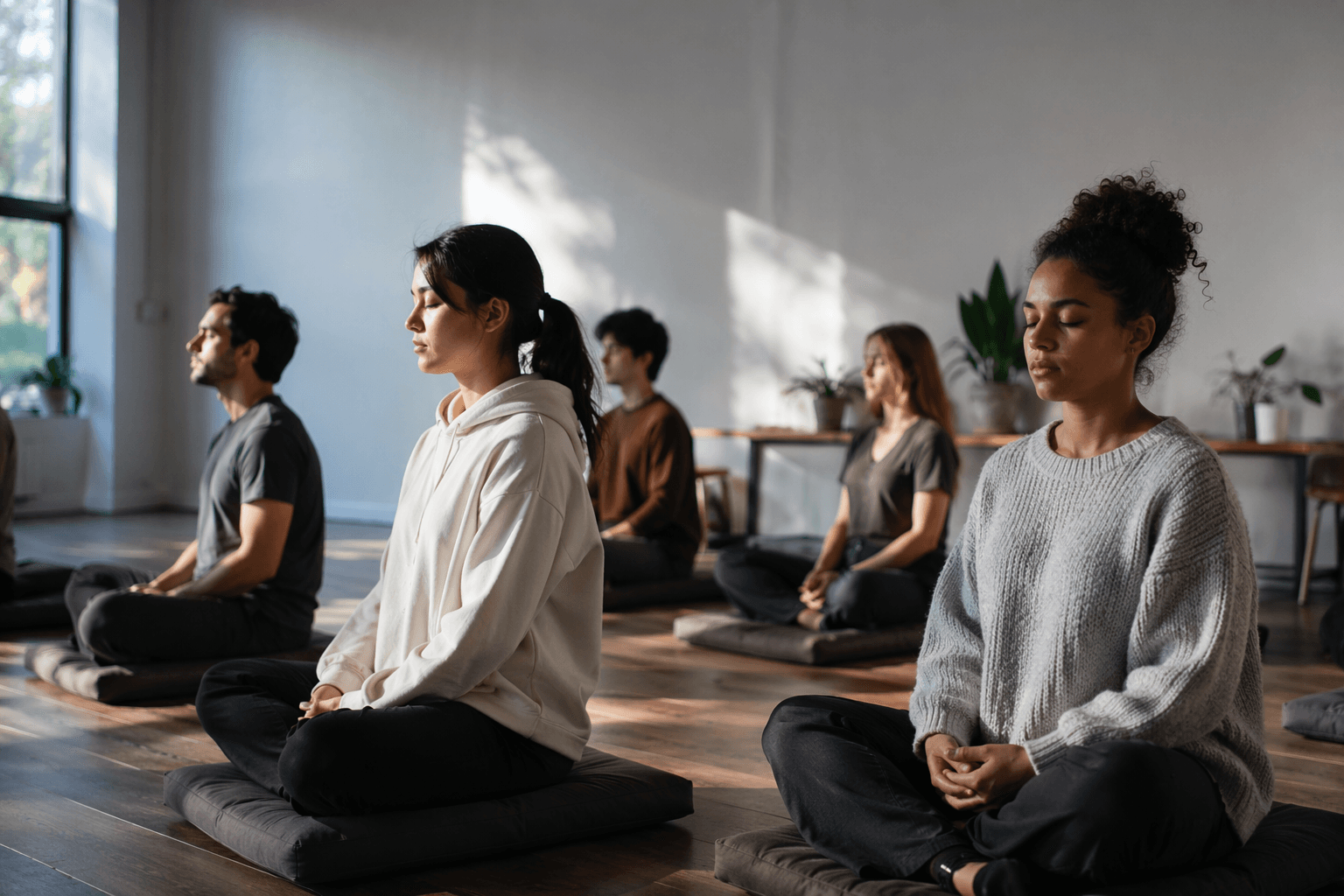
Michigan State workshop offers practical mindfulness tools for everyday life
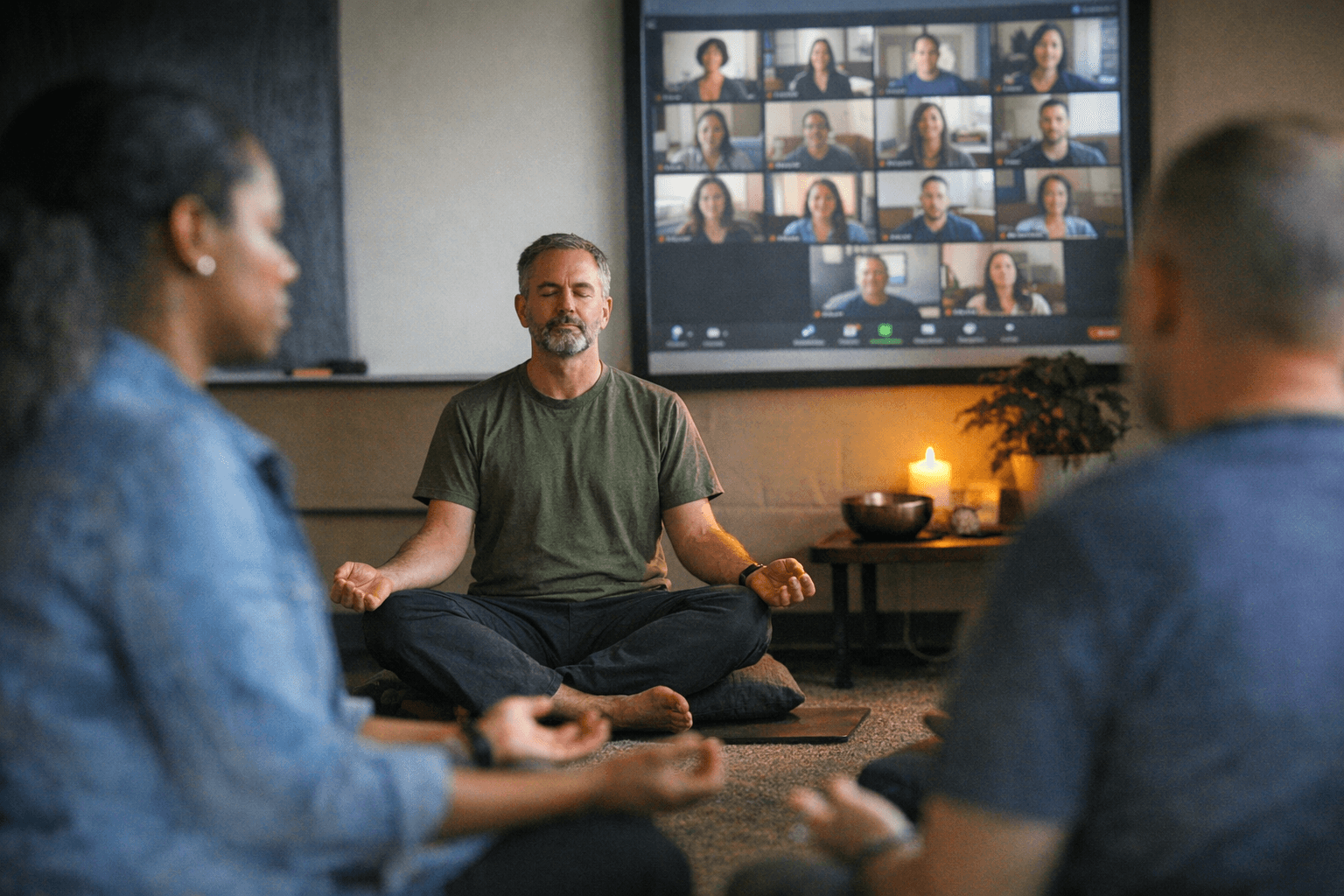
A 90-minute Zoom class turns mindfulness into a same-day toolkit, from breathing to a personal practice plan. It is built for busy people who want usable steps, not theory.
A toolkit, not a lecture
A short mindfulness class only works if it leaves you with something you can actually use after the screen goes dark. Michigan State University Extension’s Brief Practices in Mindfulness is built around that exact promise, turning an online workshop into a practical handoff for everyday life.
Held on April 14 from 10:00 to 11:30 AM ET, the session is framed as an introduction to mindfulness that gives people both understanding and firsthand experience. The point is not to sit through abstract theory. It is to walk away with tools you can try the same day, whether you need a reset at work, a steadier moment in traffic, or a calmer landing before sleep.
What the workshop puts in your hands
The heart of the class is its mix of simple practices that can be learned quickly and repeated anywhere. MSU Extension says the workshop includes mindful breathing, grounding, ways to quiet the mind, body scan work, mindful movement, guided meditation, and seated meditation.
That combination matters because it moves from the easiest entry point to the more sustained practices without making any single approach carry the whole experience. You are not asked to choose between movement and stillness, or between breath and body awareness. Instead, the workshop treats mindfulness as a set of adaptable skills, which makes it easier to imagine using them in real life.
- Mindful breathing gives you a fast anchor when your attention is scattered.
- Grounding helps when you need to get back into your body and out of your spiral.
- Body scan work offers a way to notice tension that builds up unnoticed during a long day.
- Mindful movement and seated meditation show that stillness is not the only path into practice.
- Guided meditation and quieter reflective exercises give you structure if you are not used to meditating on your own.
That practical blend is especially welcoming for people who are curious but not ready for a long retreat or a formal course. The workshop is designed as a low-pressure entry point, one that lets beginners experience mindfulness instead of just hearing it defined.
The real takeaway: a plan you can repeat
The most useful part of the workshop may be its final segment, which is devoted to building a personal practice plan. That detail changes the class from a one-off introduction into something closer to habit formation.
A lot of mindfulness teaching stops at inspiration. This one ends by asking what you will actually do next, which is where the value lives for busy adults. A plan gives the practices a place in the day, whether that means a few breaths before a meeting, a body scan in bed, or a short seated practice after work.
MSU Extension’s framing makes that intent clear: the workshop is meant to help participants establish an understanding of mindfulness while also giving them a routine they can repeat on their own. In a field where people often say they do not have time to meditate, that shift from concept to schedule is the difference between something nice to know and something useful to keep.
How MSU Extension packages mindfulness for everyday life
Brief Practices in Mindfulness sits inside MSU Extension’s Mindfulness for Better Living series, which includes both online and in-person programming. That broader series is presented as part of a wellness ecosystem built around stress reduction and mental health support, not a single standalone class.
MSU Extension says research has shown that practicing mindfulness can reduce stress-related symptoms such as worry, depression, and physical tension. The organization also says it may help manage chronic conditions such as cardiac disease and diabetes. That health framing gives the classes a practical edge: mindfulness is being offered as a usable skill set, not an abstract philosophy.
The structure of the series reinforces that idea. Related offerings include Stress Less with Mindfulness, Mindfulness for Better SLEEP, and Mindfulness Pebbles, each aimed at a slightly different need. Together they suggest a program designed for people at different starting points, whether the goal is less stress, better sleep, or a more consistent daily practice.
A wider menu for adults, seniors, and beginners
Stress Less with Mindfulness is one of the clearest examples of how MSU Extension tries to keep the barrier low. It is a six-class series for adults and seniors, and the organization says more than 7,000 Michiganders have reduced their stress and enjoyed life more through the program. MSU Extension says it developed the series in collaboration with West Virginia University Extension, which gives the offering a broader institutional base.
The program also defines mindfulness in plain language as paying attention on purpose, in the present moment and non-judgmentally. That definition is useful because it cuts through the mystique and brings the practice back to something people can recognize in daily life: noticing what is happening without instantly grading it, fixing it, or fleeing it.
MSU Extension’s related listings show the same practical tone. One version of Brief Practices in Mindfulness is described as a free Zoom introduction, with support for registration or Zoom access available by phone or email. That kind of help matters because it turns the class into a public-facing resource, not a specialist retreat for people who already know the lingo.
Sleep, self-regulation, and the small practices that stick
The other programs in the series show how wide that toolkit can go. Mindfulness for Better Sleep is described as a six-session program that combines mindfulness with Sleep Education for Everyone content, including sleep hygiene and stimulus control therapy. That pairing matters because it connects attention training to one of the most immediate daily struggles people face: getting to sleep and staying there.
Mindfulness Pebbles: Principles and Practice takes a different route with a six-lesson series built around guided exercises such as visualization, body scan, thought and emotion practices, and short meditations. It sounds less like a lecture and more like a laboratory for trying out brief practices in a structured way.
MSU Extension also says its class topics include practicing mindfulness, managing anger, and reducing stress, with a referral form available for participants or loved ones. That makes the series feel less like a wellness trend and more like a practical support system, one that is meant to fit into real homes, real schedules, and real stress levels.
What emerges across the whole series is a clear philosophy: mindfulness should be teachable, repeatable, and usable in ordinary life. That is why Brief Practices in Mindfulness stands out. It does not promise a new identity. It offers a set of tools, a plan, and a way to begin again tomorrow.
This article was produced by Prism’s automated news system from verified source data, official records, and press releases, then run through automated quality and moderation checks before publishing. The system is built and supervised by the people who set the standards it runs under. Read our full AI policy.
Did this article answer your question?