Micro-practices help pause automatic choices, says mindfulness teacher
Micro-practices matter most at the moment of choice, when one breath can interrupt habit and make room for values.
The pause before the default
The most important mindfulness moment is not on the cushion. It is the split second before you click, reply, scroll, or reach for the easiest option, when the day can tilt toward habit or intention.
Shalini Bahl argues that this is where micro-practices earn their keep. Rather than treating mindfulness as a way to feel calmer in the abstract, she frames it as a tool for interrupting automatic behavior at the exact moment decisions are made. That shift matters because the choice feels tiny in real time, yet it often determines what happens next.
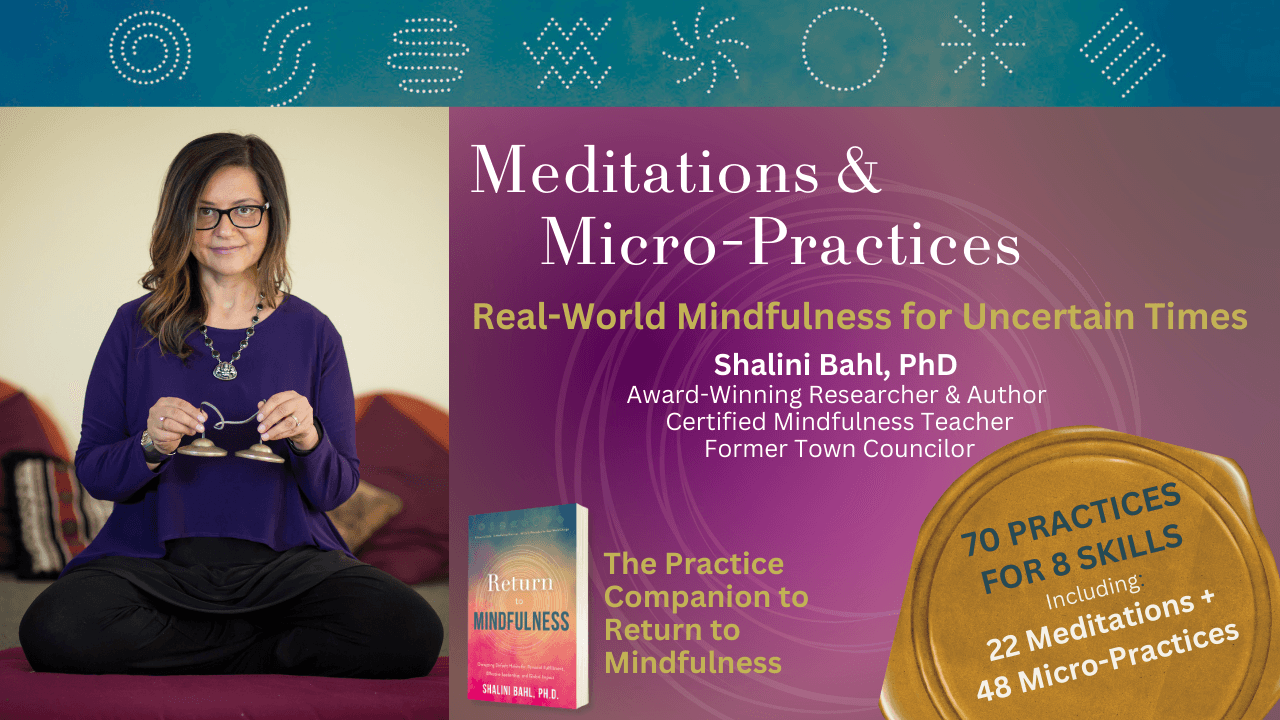
Bahl brings unusual credibility to that claim. She says she has meditated for more than two decades, has completed Vipassana retreats, and is certified in MBSR. She also teaches conscious marketing and consumer behavior, which gives her writing a practical edge: she is not only talking about inner life, but about how attention, values, and ordinary purchases collide in the real world.
Why the smallest pause changes the whole sequence
Bahl’s central point is simple: the mind often mistakes convenience for inevitability. The instant before action is the place where mindfulness can expose that illusion. A person may believe there is no choice, when in fact there is a choice, just hidden behind speed and routine.
That is why micro-practices are more useful than broad advice to “be mindful.” A micro-practice creates a brief gap between stimulus and response. In that gap, curiosity can ask what is happening, compassion can soften the reflex, and inner calm can keep the moment from tipping into old habit.
The value of that gap is not philosophical. It is practical. It can change the next click, the next reply, the next purchase, or the next default reaction in a family conversation. Bahl’s argument is that mindfulness becomes more credible to people when it shows up at those decision points, not just in a meditation hall.
The shopping cart as a mindfulness test
Bahl uses her own shopping behavior to make the point concrete. For years, she bought from Amazon even while knowing about the company’s labor and political issues. The habit persisted because convenience made it feel unavoidable, which is exactly how automatic behavior hides in plain sight.
Her turning point came when she noticed that the assumption was false. There were alternatives, including a local cooperative and Thrive Market, and some of those options were even cheaper. That realization did not come from moral pressure alone. It came from pausing long enough to question the default and to see the actual range of choices in front of her.
That is the bridge she describes between meditation and lived ethics. The practice is not only about sitting still and settling the nervous system. It is about helping you notice when your actions do not match your values, then giving you enough space to choose differently.
How micro-practices work in real life
Bahl’s approach is strongest when it is used at the exact moment a habit is about to take over. In practice, that means keeping the pause short enough to fit real life, but deliberate enough to interrupt the autopilot.
A useful way to think about it is as a 10 to 30 second reset:
1. Notice the impulse.
2. Stop long enough to feel one breath.
3. Ask what choice is actually in front of you.
4. Decide whether the default matches your values.
That sequence is small on purpose. If the pause is too elaborate, it will not survive the pressure of a busy day. If it is too vague, it will not change anything. Bahl’s point is that a micro-practice does its work precisely because it is brief and specific.
In a shopping moment, that might mean pausing before you place an order and asking whether convenience is the real need or simply the loudest habit. In a reply, it might mean waiting one breath before sending the message that would escalate the conversation. In a moment of stress, it might mean noticing the urge to grab the easiest comfort and letting that urge be seen before acting on it.

Curiosity, compassion, and calm as decision tools
Bahl’s framing also matters because it moves mindfulness out of the realm of vague inspiration and into usable capacities. Curiosity is what lets you see the choice clearly. Compassion keeps the pause from becoming self-criticism. Inner calm gives you enough steadiness to act on what you notice.
Those skills are especially useful when the decision feels morally or emotionally loaded. If someone has been making a purchase out of habit for years, or reacting automatically in conversation, the point is not to shame the pattern. The point is to reveal it, then create a different opening the next time it appears.
That is what makes her argument resonate in consumer life as well as contemplative practice. Many people do not need more information about being mindful. They need a way to catch themselves in the exact second they are about to act, and a practice short enough to use before the moment passes.
A more grounded kind of mindfulness content
Bahl’s essay suggests that mindfulness content lands best when it is tied to concrete choices, not generic calmness. Consumer decisions, civic decisions, and family decisions all become more meaningful when they are seen as moments where habit can be interrupted.
That is a useful shift for the community around mindfulness meditation. It gives micro-practices a clear job: not to make every day perfect, but to help you see the split second when the day is still open. That is where the practice meets the world, and where values finally have a chance to show up in action.
The next time your hand moves toward the easiest option, let that be the signal to pause for one breath. In that small space, the old default no longer has the whole day to itself.
This article was produced by Prism’s automated news system from verified source data, official records, and press releases, then run through automated quality and moderation checks before publishing. The system is built and supervised by the people who set the standards it runs under. Read our full AI policy.
Did this article answer your question?