Mindfulness-based stress reduction may ease chemotherapy distress in colorectal cancer
An eight-week mindfulness program was linked to less nausea, vomiting, depression and anxiety in 301 colorectal cancer patients on chemotherapy.

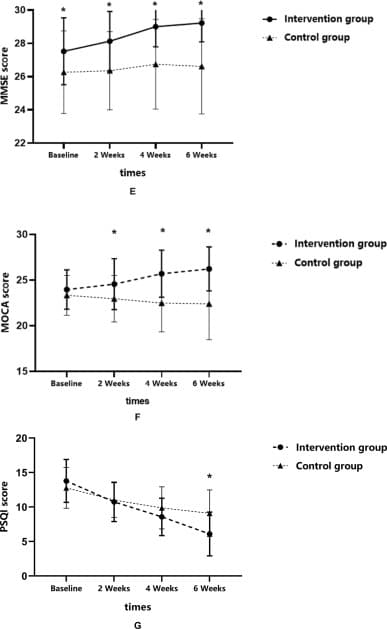
For colorectal cancer patients in chemotherapy, the practical question is whether mindfulness can do more than calm the mind. In a cohort of 301 patients, mindfulness-based stress reduction was linked to lower physical and psychological distress, including less nausea, vomiting, depression and anxiety.
The study looked at people actively receiving chemotherapy and compared an eight-week MBSR program with routine nursing care. The mindfulness arm used the classic toolkit: mindful breathing, body scan exercises and meditation. That makes the finding more concrete than a broad wellness claim, because it tested a structured practice against everyday oncology support and tracked symptoms patients feel during treatment.
The signal matters because chemotherapy distress is not abstract. Nausea, vomiting, depression and anxiety can stack together and make a hard course of treatment feel even heavier. The study suggests that MBSR may offer a low-cost, nonpharmacologic layer of support alongside standard cancer care, especially during the treatment window when patients often need help most. For a community that already knows mindfulness works best when it is specific and repeatable, the eight-week format is a familiar one.
Still, the design leaves important limits. Because this was a retrospective cohort study, it can show an association, not prove that mindfulness caused the improvement. Patients who joined or completed an MBSR program may have differed in ways that the analysis could not fully capture. Even so, the result is clinically interesting because it points to measurable changes in symptoms that matter day to day, not just to general well-being.

The most useful takeaway is also the simplest: if chemotherapy is bringing nausea, fear, low mood or a sense of being overwhelmed, ask the oncology team whether an eight-week MBSR program is available or whether a clinic can connect patients with a structured mindfulness class that uses breathing, body scan work and meditation. This study did not promise a cure for treatment burden, but it did show that mindfulness may have a real role in helping people get through the hardest stretch of chemotherapy with less distress.
This article was produced by Prism’s automated news system from verified source data, official records, and press releases, then run through automated quality and moderation checks before publishing. The system is built and supervised by the people who set the standards it runs under. Read our full AI policy.
Did this article answer your question?