Mindfulness beyond stress relief, Kabat-Zinn reframes suffering on every scale
Kabat-Zinn's original MBSR frame reaches beyond stress relief, and this episode pushes mindfulness toward trauma, institutions, and ecological crisis.

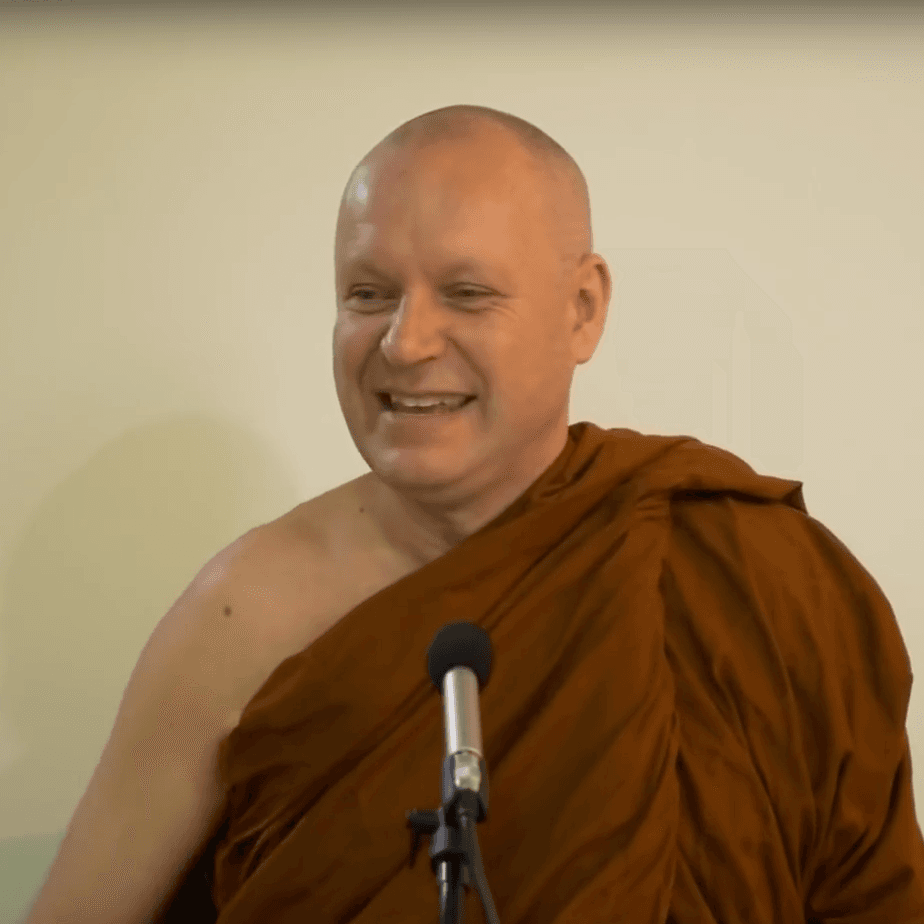
Mindfulness is getting a harder job. In the new Mind & Life conversation, Jon Kabat-Zinn is not presented as the architect of a calmer day, but as the person who helped frame practice as a response to suffering at personal, collective, and planetary scale. The result is a sharper question for anyone who has outgrown mindfulness as a simple stress tool: what does practice look like when it has to meet conflict, institutions, food systems, and ecological crisis too?
From stress reduction to a wider mandate
The episode, titled “Social and Ecological Mindfulness,” brings that question into focus through guest host Jamie Bristow and guests Jon Kabat-Zinn, Paula Ramírez Díazgranados, and Liane Stephan. Rather than treating mindfulness as a private wellness habit, the conversation places it in the middle of real-world conditions that shape how people live and work. That shift matters because it changes the measure of the practice itself. Calm still counts, but so do clarity, relational awareness, and the ability to respond to suffering without shrinking the frame down to the individual alone.
Kabat-Zinn’s role gives that argument historical weight. UMass Memorial Health says he established the Stress Reduction Clinic and developed the original Mindfulness-Based Stress Reduction program in 1979, and the MBSR Collaborative also dates the program’s first iteration to that same year. In the Mind & Life transcript, the point is not that MBSR began as a coping technique for isolated stress. It is presented as a method for meeting suffering with greater clarity and care, whether that suffering is personal, collective, or planetary.
Why the original MBSR frame still matters
That 1979 origin story is important because it explains why this conversation does not feel like a detour from mindfulness’s roots. It is a return to a broader reading of the roots themselves. If MBSR has often been packaged in popular culture as a way to manage busy schedules and anxious minds, this episode argues that the more useful question is how practice works when the problem is not just inner overload but the conditions around you.
That framing fits the moment the episode lands in. Mind & Life describes a new wave of socially and ecologically oriented mindfulness programs that has emerged over the last five or six years. These approaches combine mindfulness-based pedagogy with group process, relational practice, systems change methods, and explicit tailoring for collective benefit. In other words, the unit of attention is expanding. Instead of focusing only on one person’s breath and thoughts, these programs ask what a team, an institution, or a community can do differently when awareness becomes shared.
Paula Ramírez Díazgranados brings trauma and recovery into the frame
Paula Ramírez Díazgranados makes that expansion concrete. Her own bio says she holds an MA in Peacebuilding and is a certified MBSR trainer, and the transcript describes her as a Colombian anthropologist, peace builder, body-based practitioner, and mindfulness trainer. The most telling detail is where her work has taken her: she has supported humanitarian teams in communities affected by conflict, displacement, and systemic violence across 23 countries.
That background changes what mindfulness sounds like in the room. It is not being positioned as a soft response to everyday irritations. It becomes part of trauma-sensitive work, recovery, and accompaniment in places where instability is already baked into daily life. Her broader practice also includes Trauma-Sensitive Yoga facilitation and Somatic Experiencing, which points to the same direction the episode itself takes: mindfulness is being linked with body-based support, peacebuilding, and humanitarian resilience rather than detached self-regulation alone.
Liane Stephan shows how the conversation reaches institutions
Liane Stephan extends that logic into organizational life. Awaris says she became CEO in 2024 and has more than 30 years of experience in leadership development, mindfulness, systemic organisation development, and culture change. Her work is also tied to the certified Mindfulness based systemic Coaching program, which signals a practical interest in how awareness changes behavior inside companies and institutions, not just in meditation cushions or retreat centers.
The related bios also connect her to the Inner Green Deal, a nonprofit focused on the inner dimension of sustainability, and note that her team’s work has been associated with organizations including HSBC, Ikea, and a Formula 1 team. Those examples matter because they show where the social turn in mindfulness is already landing: in leadership, workplace culture, and sustainability efforts that need more than inspirational language. If ecological crisis and institutional pressure are part of the problem, then awareness has to operate at the level where decisions are actually made.
What the newer programs are trying to do
- group process, so practice can support shared reflection rather than isolated coping
- relational practice, so attention includes how people affect one another
- systems change approaches, so the work can touch institutions and structures
- collective-benefit design, so the point is not only personal relief but broader impact
The episode’s biggest practical insight is that socially and ecologically oriented mindfulness programs are no longer content to treat awareness as a solo skill. They are building in:
That is a meaningful shift for schools, healthcare systems, nonprofits, and public-facing meditation programs. It suggests that the next chapter for mindfulness is not about abandoning stress relief, but about situating it inside the larger realities people are already living through. A practice that can only help after the pressure is removed is useful, but limited. A practice that helps people meet pressure more wisely, together, is something else.
The episode lands exactly at that threshold. Kabat-Zinn’s early MBSR frame already pointed beyond individual stress, and this conversation makes that wider intention harder to ignore. For anyone whose practice has become too narrow to match the world around it, the next step is clear: look for meditation spaces that name trauma, relationship, and systems as part of the practice, not as distractions from it.
This article was produced by Prism’s automated news system from verified source data, official records, and press releases, then run through automated quality and moderation checks before publishing. The system is built and supervised by the people who set the standards it runs under. Read our full AI policy.
Know something we missed? Have a correction or additional information?
Submit a Tip