Mindfulness emerges as a practical support tool at Guam cancer conference
At Guam's cancer survivorship conference, mindfulness was framed as a tool for fatigue, worry, pain and the grind of follow-up care. That matters when about half of people with cancer face severe or prolonged distress.

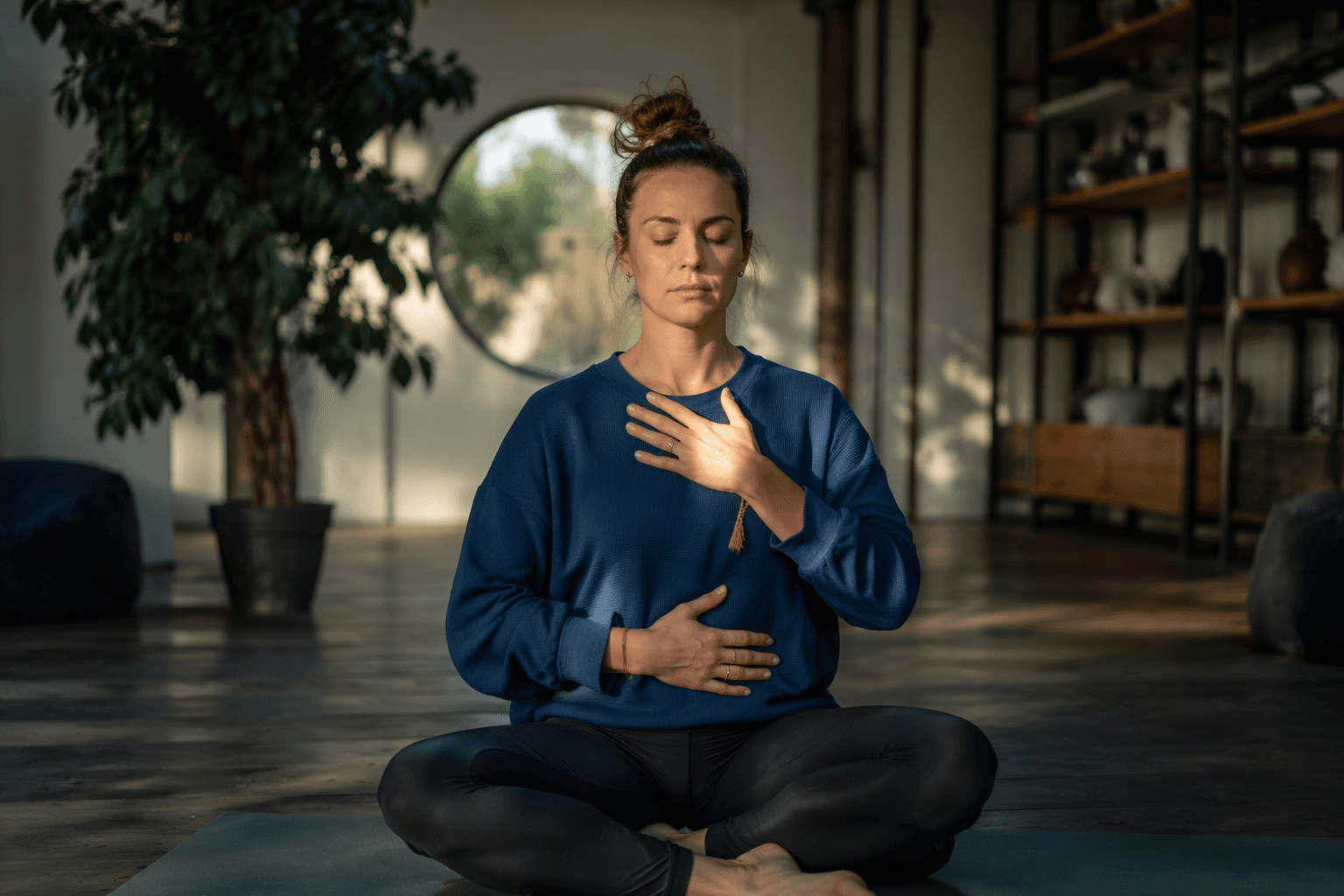
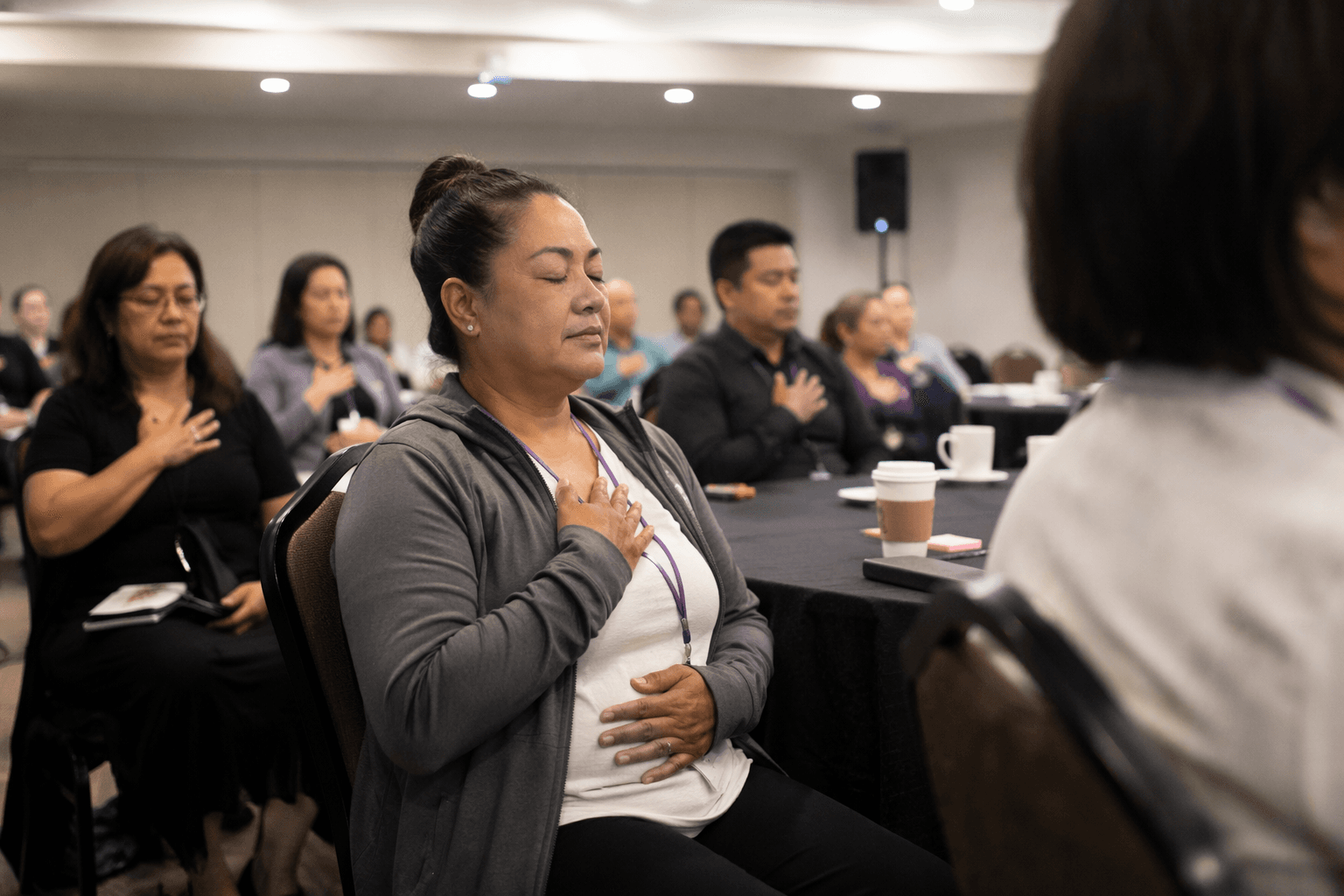
Mindfulness got a practical job description at Guam’s cancer survivorship conference: help survivors and caregivers handle the stress that does not end when treatment does. Instead of treating it as a vague wellness add-on, organizers tied it to the day-to-day realities of survivorship, including fatigue, pain, worry, changes in identity, and the uncertainty that comes with follow-up care.
The Guam Department of Public Health and Social Services and the Guam Comprehensive Cancer Control Coalition announced the conference for Friday, June 12, 2026, as part of a broader June observance that also included public notice and proclamation-related messaging honoring cancer survivors, families, caregivers, and support networks. In that setting, mindfulness was presented as one piece of a wider survivorship toolkit, alongside medical follow-up, emotional support, and community connection.
That framing matches where cancer distress care has been headed in oncology. The National Comprehensive Cancer Network’s patient guide for distress during cancer care is based on its Distress Management version dated January 14, 2026, and it says distress can be psychological, social, spiritual, and physical. The guidance calls for screening, referrals, chaplaincy, social work, and counseling services, and it is aimed at oncology clinicians including physicians, nurses, pharmacists, and physician assistants.
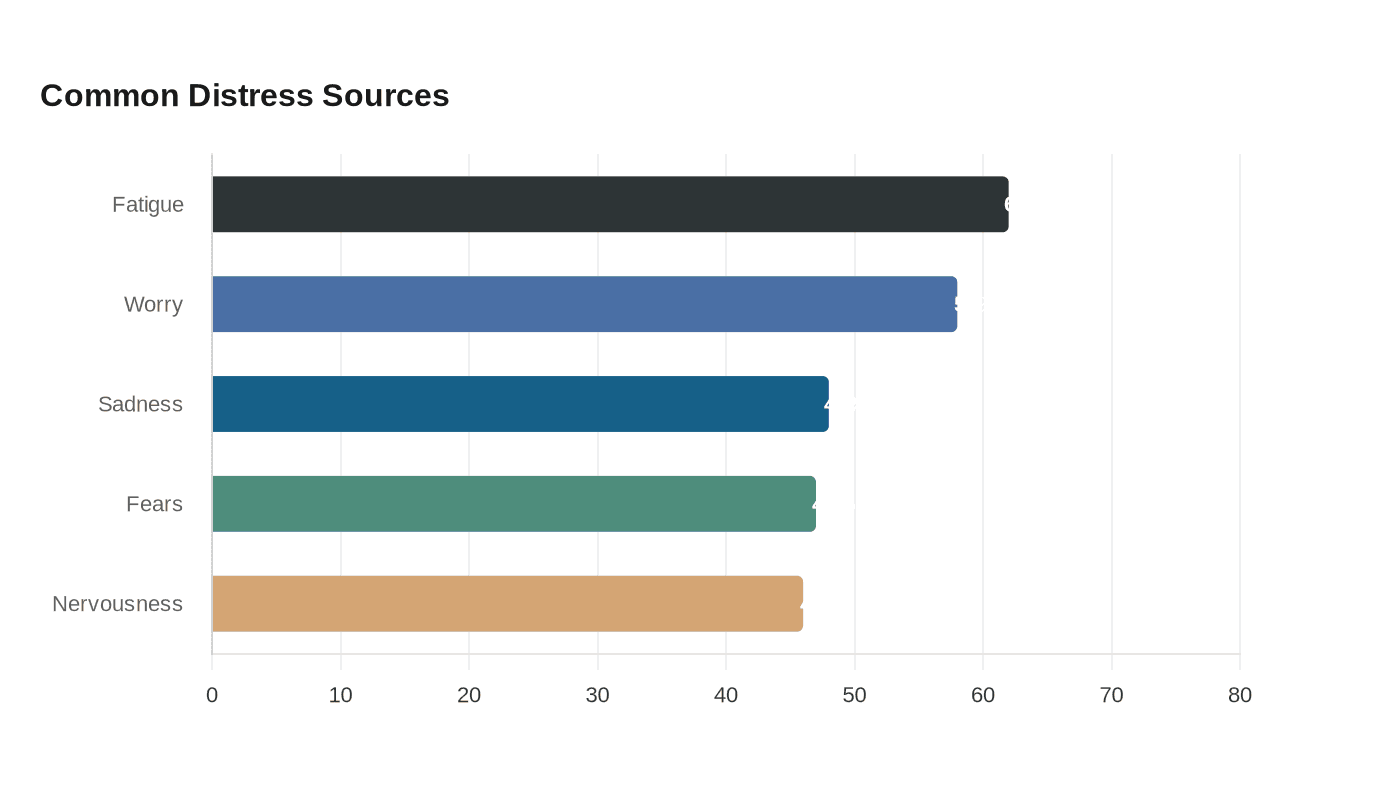
The need is not small. A March 2026 review in oncology nursing estimated that about 50% of people with cancer experience distress that is severe or prolonged. The same review listed common distress sources in North America as fatigue at 62%, worry at 58%, sadness at 48%, fears at 47%, and nervousness at 46%. It also linked distress with greater symptom burden, higher health care use, increased mortality, reduced treatment adherence, and social isolation.
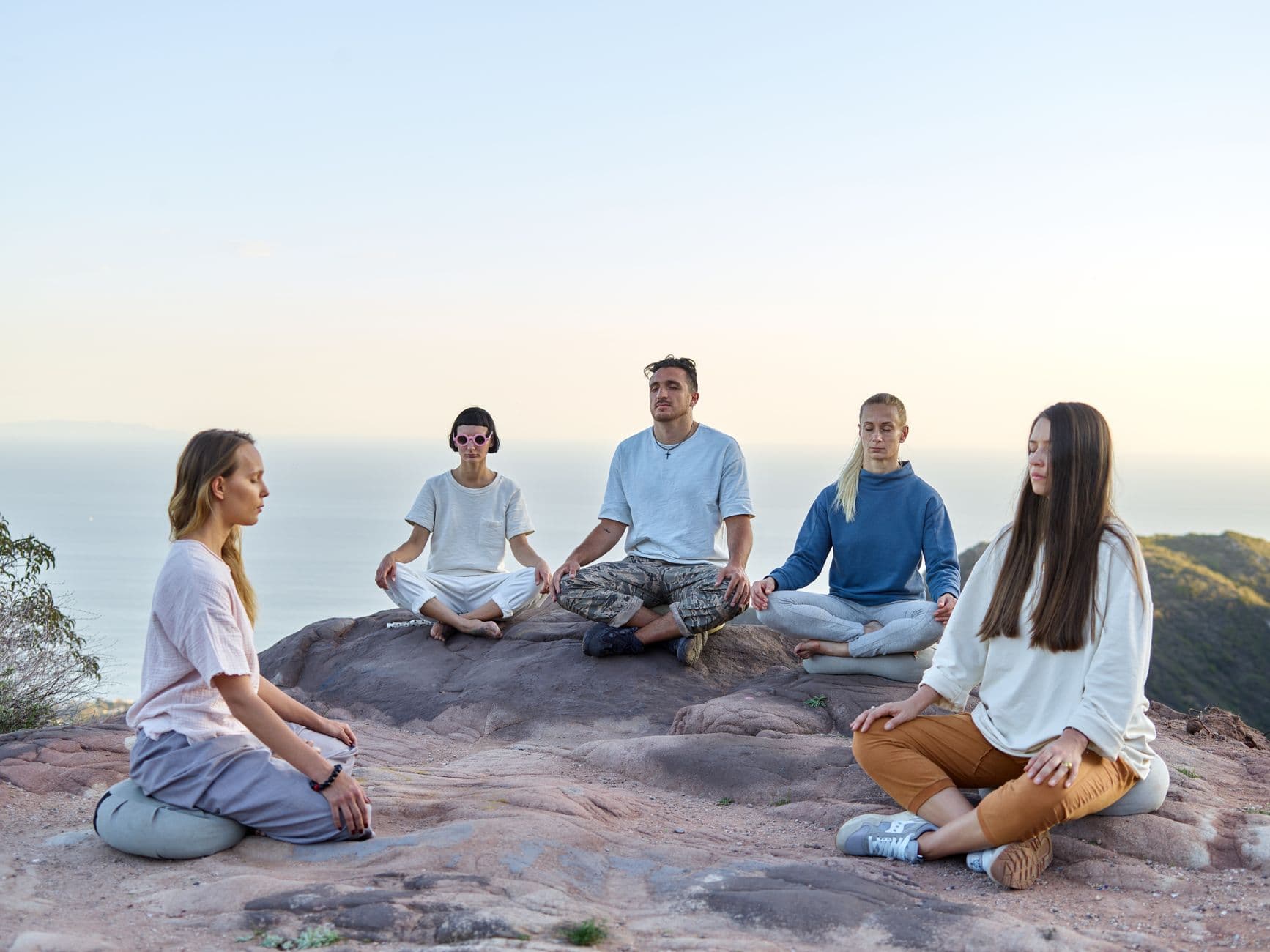
That is where the evidence for mindfulness-based care becomes more than theory. A pilot study of mindfulness-based stress reduction in 35 persistently fatigued cancer survivors found gains in some mindfulness facets and self-compassion in the intervention group. The study also found that increased nonjudging was associated with less sleep disturbance, while acting with awareness was associated with lower emotional distress. A 2022 meta-analysis found mindfulness-based therapy affected quality of life, pain, fatigue, anxiety, and depression in cancer patients.
The useful takeaway from Guam is not that mindfulness replaces treatment or formal support. It is that survivors and caregivers are being asked to use it for something much more concrete: getting through the ongoing strain of survivorship with a little more steadiness, and a lot less isolation.
This article was produced by Prism’s automated news system from verified source data, official records, and press releases, then run through automated quality and moderation checks before publishing. The system is built and supervised by the people who set the standards it runs under. Read our full AI policy.
Know something we missed? Have a correction or additional information?
Submit a Tip