Mindfulness Meditation Offers Benefits Well Beyond Simple Relaxation, Researchers Say
Acceptance, not relaxation, may be the real engine behind mindfulness: Carnegie Mellon researchers show it cuts loneliness, stress hormones, and reshapes the brain.
Picture this: you're asked to sit quietly in a room for 15 minutes with no phone, no music, and nothing to do. For most people, that sounds easy enough. But in a now-famous 2014 study, many participants found the experience so intolerable that they chose to press a button and give themselves an electric shock rather than continue sitting alone with their thoughts and sensations. That striking finding sits at the heart of a new synthesis by Carnegie Mellon University researchers Yuval Hadash and J. David Creswell, who argue in a comprehensive analysis that what mindfulness actually teaches, the capacity to stay with difficult inner experience rather than flee it, is precisely why it delivers benefits that go far beyond simple relaxation.
The Two Engines of Mindfulness
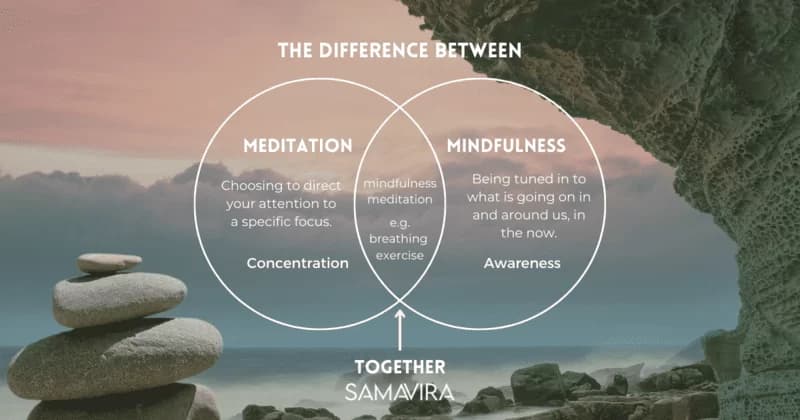
Mindfulness is often described as paying attention to the present moment, but that framing skips the harder part. According to Hadash and Creswell, the practice rests on two equally important components. The first is monitoring: learning to notice body sensations, thoughts, images, and feelings as they arise in real time. The second, and arguably more powerful, is acceptance: approaching those experiences with openness, curiosity, and non-judgment rather than trying to change, avoid, or suppress them.
Most people intuitively understand the monitoring piece. It's the acceptance piece that tends to catch practitioners off guard. If a meditator notices pain in their knee during a session, the practice asks them to mentally note the sensation without immediately shifting position or bracing against it. That sounds almost counterproductive, and yet it's where the science gets genuinely interesting.
Why Acceptance Is the Critical Driver
"Adopting an accepting attitude toward your experiences seems to drive many of the positive effects of mindfulness," Hadash and Creswell write. Their research shows that developing the capacity for acceptance through mindfulness meditation can reduce feelings of loneliness and increase positive emotions such as happiness. It also reduces stress hormones and helps people notice more positive experiences during stressful situations.
The clearest test of this came from dismantling studies, where researchers stripped acceptance training out of mindfulness programs to see what happened. When acceptance is removed from mindfulness training, these benefits largely disappear. That finding has significant practical implications: a mindfulness program that teaches attention and breathing techniques without cultivating a genuine accepting stance may simply be delivering a more elaborate form of relaxation, missing the mechanism that produces durable change.
What the Evidence Actually Shows
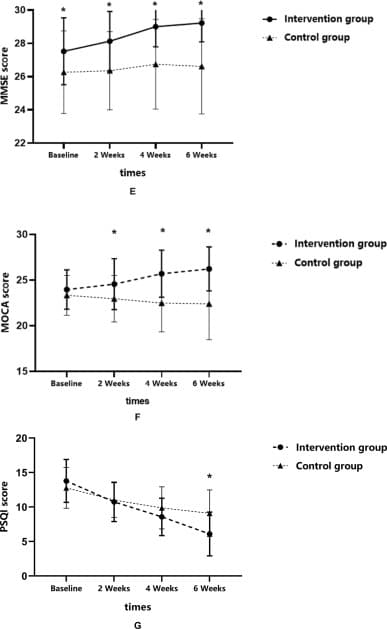
Meta-analyses and randomized trials reviewed by Hadash and Creswell document measurable reductions in symptoms of anxiety, depression, insomnia, and chronic pain across a wide range of populations. Mindfulness-based stress reduction, known as MBSR, has demonstrated efficacy for many psychiatric and physical conditions, while mindfulness-based cognitive therapy, or MBCT, is particularly effective in reducing relapses of depression in patients who have experienced three or more episodes.
The loneliness research is especially striking. A study led by Creswell offered the first evidence that mindfulness meditation reduces loneliness in older adults, a population for whom loneliness is a major risk factor for cardiovascular disease, Alzheimer's, and early death. The researchers also found that mindfulness meditation lowered inflammation levels, thought to promote the development and progression of many diseases.
A separate Carnegie Mellon study assigned 153 adults to one of three 14-day smartphone-based interventions. Participants who received training in both monitoring and acceptance skills reported less loneliness and greater social contact, while those receiving monitoring skills alone or a general coping program did not show the same benefits. As Creswell put it: "When you are more accepting toward yourself, it opens you up to be more available to others."
What's Happening in the Brain
Neuroimaging research has begun to reveal the structural and functional correlates of these changes. A systematic review of fMRI and MRI studies found that the prefrontal cortex, the cingulate cortex, the insula, and the hippocampus all showed increased activity, connectivity, and volume in stressed, anxious, and healthy participants following MBSR training, while the amygdala, a key node in threat and emotional reactivity, showed decreased activation.

Creswell's own neurobiological work has linked mindfulness to reduced inflammatory biomarkers, connecting brain-level changes to downstream health effects. "These brain changes provide a neurobiological marker for improved executive control and stress resilience, such that mindfulness meditation training improves your brain's ability to help you manage stress," he noted in earlier research. Crucially, these are not just correlational observations: randomized controlled trials, in which participants are assigned to mindfulness versus active control conditions, are the evidentiary foundation Hadash and Creswell draw on most heavily.
How to Actually Begin
The research supports a modest, consistent approach over dramatic commitment. Brief guided practices using breath and body-based anchors are a well-established starting point, and the evidence for even short programs is meaningful. Creswell has noted that top meditation apps, which have collectively been downloaded more than 300 million times, show promise in early studies, with brief usage linked to reduced depression, anxiety, and stress as well as improved insomnia symptoms. "Meditation apps are a great first step for anyone who wants to dip their toes in and start training up their mindfulness skills," he said.
For beginners, a practical starting framework looks like this:
- Choose a consistent time each day, even five to ten minutes, rather than aiming for long sessions you won't sustain
- Use guided audio or an app-based program to anchor attention to the breath, body sensations, or sounds
- When the mind wanders, notice without self-criticism and return to the anchor; that noticing-and-returning is the practice
- Gradually extend duration as the habit solidifies, rather than starting with marathon sessions
The Misconceptions That Trip People Up
Hadash and Creswell are careful to address a misconception that sends many practitioners running: mindfulness does not erase difficult emotions. In fact, for some people in the early stages of practice, it can temporarily increase awareness of distress, precisely because they are turning toward experiences they previously avoided. That initial discomfort is not a sign the practice is failing; it is often a sign it's working. But the researchers emphasize that this heightened awareness can be genuinely challenging without a supportive context, which is why practice setting matters.
Celebrity endorsements and aestheticized wellness content frequently frame mindfulness as a serene, effortless state. The science suggests something rather more demanding and more interesting: a trained capacity to face internal experience without flinching.
When to Seek a Structured Program
Mindfulness is not a single monolithic intervention, and effects vary considerably depending on dose, delivery format, instructor fidelity, and the specific outcome being targeted. For people managing clinical conditions such as recurrent depression, generalized anxiety disorder, or chronic pain, Hadash and Creswell recommend matched, evidence-based programs with credentialed teachers rather than unstructured self-practice alone.
MBSR, an eight-week program developed by Jon Kabat-Zinn that combines body scanning, meditation, and mild yoga, is frequently used to reduce stress and help individuals cope with chronic illness. MBCT, which fuses mindfulness techniques with cognitive behavioral therapy principles, has been found particularly effective at reducing depression relapse. A randomized clinical trial involving 276 adults with anxiety disorders found that eight weeks of MBSR was non-inferior to the antidepressant escitalopram in providing stress relief and emotional regulation, with significantly fewer side effects.
The implication for workplaces, schools, and health systems is that mindfulness programming works best when it is matched to the population, grounded in evidence, and delivered by people who understand both the promise and the limits of the practice. The research Hadash and Creswell synthesize is genuinely encouraging, but it also demands honest expectations about timing, realistic outcomes, and the effort involved in training a mind to do something it resists by default: simply being with what is.
This article was produced by Prism’s automated news system from verified source data, official records, and press releases, then run through automated quality and moderation checks before publishing. The system is built and supervised by the people who set the standards it runs under. Read our full AI policy.
Did this article answer your question?