Mindfulness meditation offers simple daily relief from stress and burnout
A few minutes of mindfulness can cut through phone noise, steady work focus, and reset stress fast. The best version now is short, repeatable, and built for real life.
What changed
Mindfulness meditation has moved out of the “nice idea” category and into the everyday stress toolkit. The shift is simple: instead of treating burnout and distraction like abstract problems, the conversation now centers on what you can do before your attention is shredded by pings, deadlines, and nonstop context switching.
That matters because the pressure is not imaginary. The World Health Organization says mental health is essential to overall well-being and that people need practical support to cope with stress, while the National Heart, Lung, and Blood Institute notes that stress can contribute to high blood pressure and other heart risks. In other words, this is not just about feeling calmer for an hour. It is about lowering the load on your mind and body in a way that fits into a normal day.
Why mindfulness is still the low-friction option
Part of mindfulness meditation’s staying power is that it asks very little of you. The practice is built around being fully present and aware of the moment without judgment, and that can happen at home, at work, or during a short break between tasks. You do not need gear, a special room, or a perfect mood to start, which is a big reason it has become so widely adopted.
The American Psychological Association says mindfulness meditation has become a popular way to help people manage stress, and that research shows it is effective. APA also points out that people have been meditating for thousands of years, often as part of spiritual practice, but the modern appeal is different: the secular version is practical, portable, and built for busy schedules. That is why it lands so well with distracted readers who want relief without adding another complicated routine to their day.
What actually works now
The strongest modern version of mindfulness is not long or ornate. The World Health Organization’s stress guide says, “a few minutes each day are enough,” and that short-burst approach fits the way real people live now. Consistency matters more than duration, and the point is to build a repeatable reset that you can use even when the day is already going sideways.
The basics are straightforward, but they work best when you keep them concrete:

- Focus on the breath for a few cycles, then return to it when your mind drifts.
- Notice body sensations, especially tension in the jaw, shoulders, or hands.
- Pay attention to sounds around you without chasing them.
- Use a short pause between meetings, messages, or commutes as your practice slot.
That simplicity is the point. Mindfulness is not asking you to become a different person; it is training you to notice what is happening before stress takes over the whole dashboard.
How it helps when your phone never stops buzzing
The modern case for mindfulness is really a case against constant interruption. When your attention is pulled in a dozen directions, mindfulness gives you a place to put it back together. That is why it resonates in a world of endless notifications, social feeds, and the reflex to check your phone every few minutes.
The payoff is not abstract. People use mindfulness to stay focused longer, recover faster from emotional spikes, and respond instead of react. The practice can also help with emotional balance and resilience, which is exactly what burned-out, overcommitted people are usually missing when they say they need a reset.
If you want a quick entry point, think of it as a 30-second nervous-system reset: stop, soften your shoulders, take a slow breath, and name one sensation, one sound, and one thing you can see. It is not fancy, but it can interrupt the spiral before it gets momentum.
Why workplaces keep adopting it
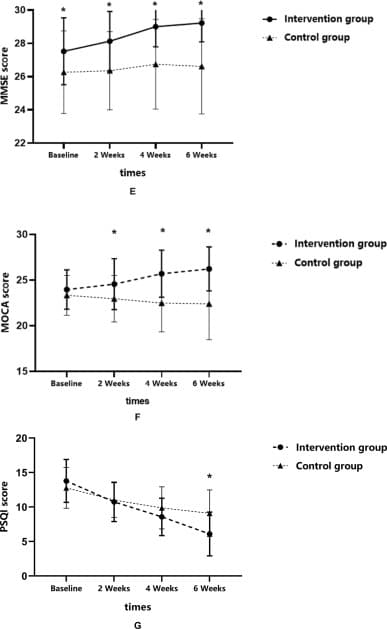
The business case is stronger than the wellness gloss. Stress, deadlines, and constant communication can drag down performance and wellbeing, while mindfulness meditation can help employees stay focused, manage pressure, improve decision-making, and reduce conflict. Leaders are not immune either; clearer thinking and stronger emotional control can affect the tone of an entire team.
This is not a brand-new workplace idea. A 2017 Centers for Disease Control and Prevention analysis found mindfulness practices were already being used in the U.S. workforce and argued they may improve worker health and reduce employer costs by reducing the negative effects of stress. CDC literature also treats the research as promising while still raising questions about how well results generalize in the real world and how much workplace performance changes, which is the right kind of caution for a practice that has become popular fast.
The scale of the workplace research matters too. One intervention study involved four small- and medium-sized private companies, and a large Mindfulness in Motion program included 631 healthcare workers. Those examples show why mindfulness is no longer just personal self-help. It has become part of organizational strategy in places where stress is expensive and attention is everything.
What the latest evidence adds
The new research strengthens the practical case. A February 2026 systematic review and meta-analysis found mindfulness-based interventions to be effective psychosocial strategies for managing stress in non-clinical adults. Another recent review found mindfulness, especially through Mindfulness-Based Stress Reduction, improves emotional regulation and brain structure, reduces anxiety, and enhances stress resilience.
That fits the broader evidence base built around recognized programs such as Mindfulness-Based Stress Reduction, Mindfulness-Based Cognitive Therapy, and Mindfulness-Based Relapse Prevention. National Institutes of Health-backed literature has helped move those approaches from niche methods into mainstream conversation, which is why mindfulness now shows up in workplaces, health programs, and everyday self-care advice. The appeal is not hype anymore; it is the combination of accessibility, repeatability, and enough evidence to justify paying attention.
How to try it today
You do not need a retreat or a full morning free. Start with one short practice, keep it simple, and do it in the same place you would normally check your phone.
1. Sit or stand comfortably and let your gaze drop.
2. Take three slow breaths and count only the exhale.
3. Notice one body sensation, one sound, and one point of contact with the chair or floor.
4. When your mind wanders, bring it back without scolding yourself.
5. Repeat tomorrow, even if it is only for a few minutes.
That is the real shift in 2026: mindfulness is no longer framed as a special occasion practice. It is a small, steady way to protect focus, soften burnout, and give your nervous system something better to do than absorb every alert that shows up on your screen.
This article was produced by Prism’s automated news system from verified source data, official records, and press releases, then run through automated quality and moderation checks before publishing. The system is built and supervised by the people who set the standards it runs under. Read our full AI policy.
Did this article answer your question?